

75M DOWNLOADS
1,700+ Episodes
350+ GUESTS
The Kevin Miller Podcast
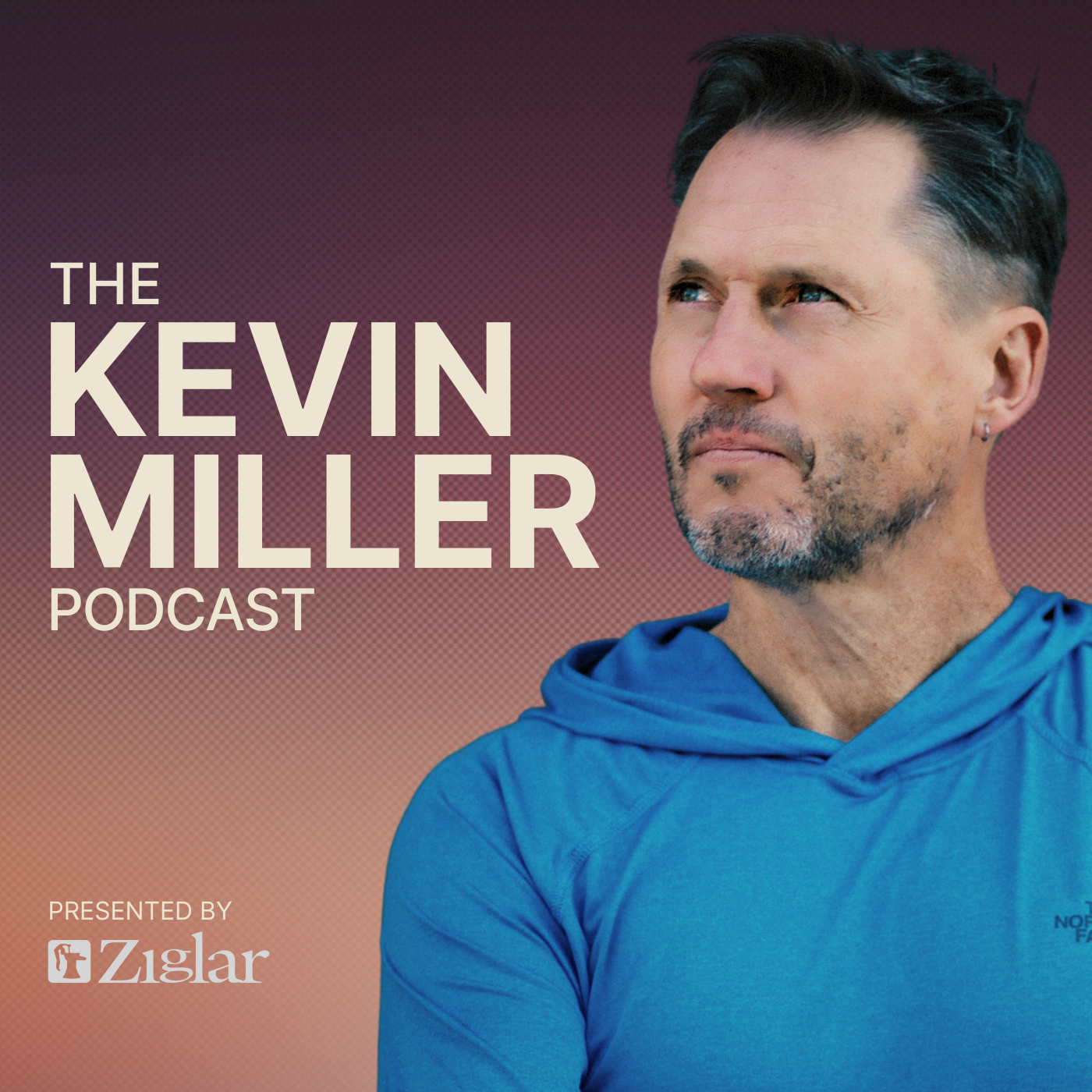
The big question - what is the meaning of life?
The great quest - to find meaning in life.
I devoted my life to filling all the roles, pursuing all the achievements, and engaging with all the relationships I thought would provide the greatest meaning to my life.
Only to come to the reckoning that the world doesn't give meaning to my life. I do.
Join me as I discuss how we make meaning from our lives and how we can satisfy ourselves in every moment, regardless of the circumstances.
Kevin Miller began hosting The Ziglar Show in 2014. Kevin quickly took the show from 100k downloads to over 600k per month. In their effort to continue to evolve the show and serve the audience, Kevin and the Ziglar team rebranded the show to “Self Helpful, with Kevin Miller” in 2019. Today, the show has evolved to The Kevin Miller podcast, with over 75M downloads and 350+ guests.

Listen on Your Favorite App




Watch Full Episodes

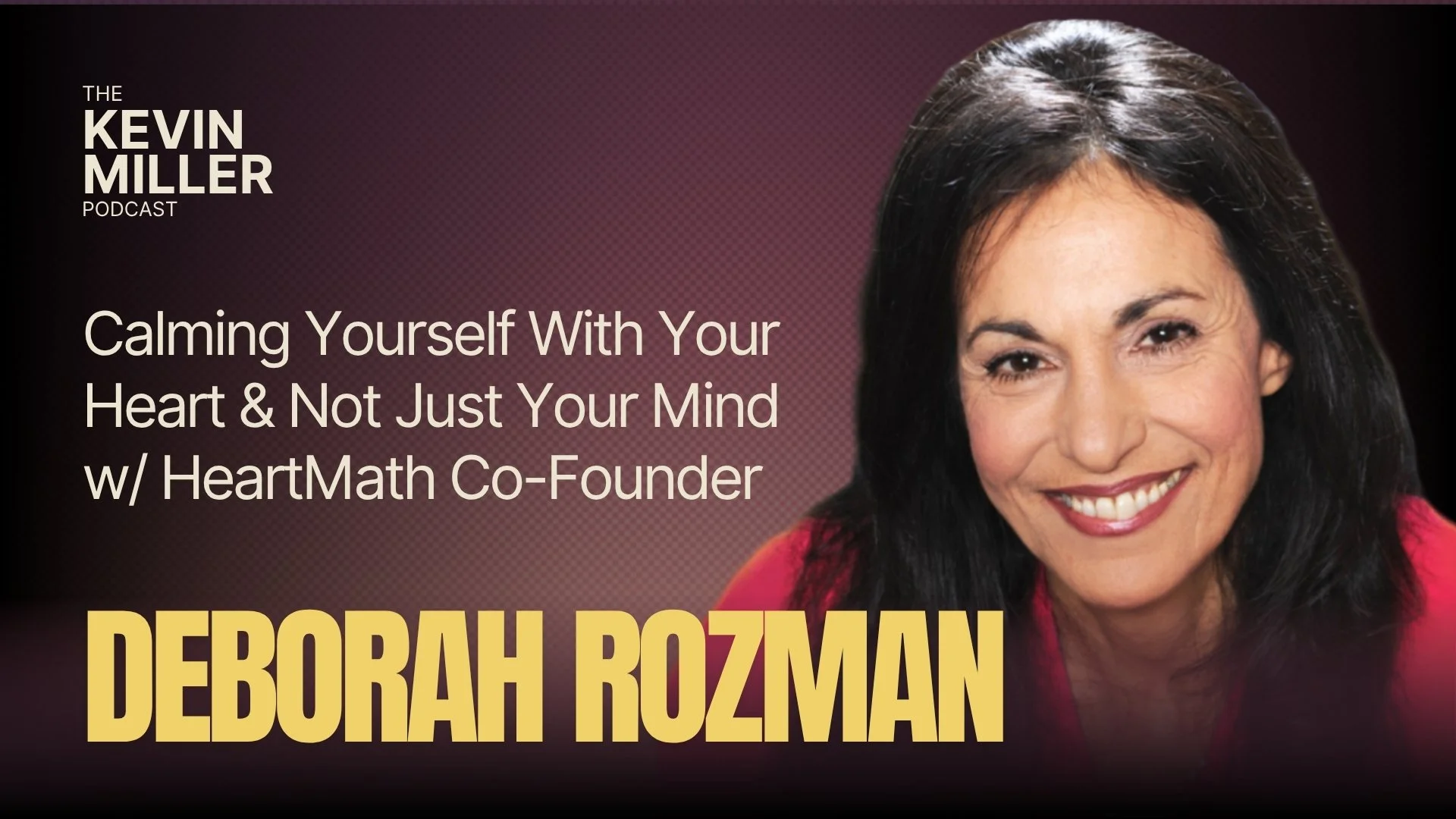
Calming Yourself With Your Heart & Not Just Your Mind w/ HeartMath Co-Founder Deborah Rozman
I appreciate finding missing pieces within efforts we normally make, that show us why we may not be getting the results we desire, and give us tangible ways to hopefully get new and better results. So in regard to calming ourselves. Regulating our nervous system, I have always been impressed with the concept of HeartMath. The plain definition of HeartMath is, “coherence as a synchronized, harmonious state where your heart, brain, breathing, and nervous system work together.” When I first experienced engaging with a heart math program, it had me go through some seemingly relaxation exercises. Mentally. And what I found out was that while I thought I was calming myself, it wasn't showing up within my body. My simple paraphrasing is that often when I think of letting my shoulders down and breathing deeply and trying to clear my mind, my heart can still be racing and my brain is still really going, and I'm not helping myself. But there are ways to. So following is my discussion recently with Deborah Rohman, one of the cofounders of HeartMath. Deborah speaks on emotional self-regulation, heart-brain coherence, resilience in uncertain times, and the cultural shift from stress reactivity to measurable calm. Now, heart math is a business, and you can go pay for the apps and the programs to participate at HeartMath.com. But if you type in your search engine, “heart math for free”, you can find ways to participate on your own.
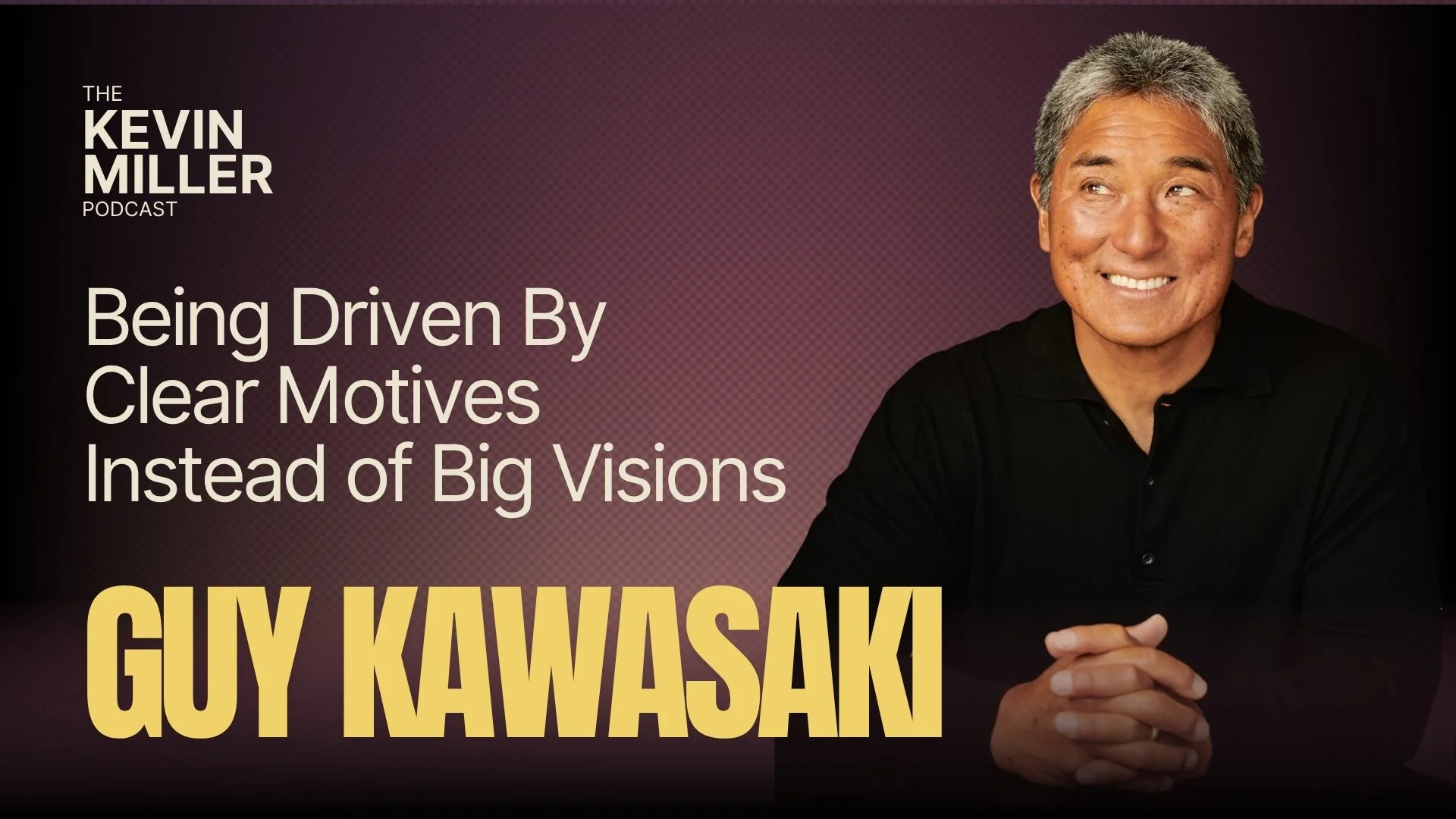
Being Driven By Clear Motives Instead of Big Visions w/ Guy Kawasaki
When my book, What Drives You, came out, I brought a number of my past guests on to the podcast to hear their personal stories of what drove them. We habitually hear what people have done and achieved, but don’t often hear why they did it. I think the stories help us better understand not only what drives, but what we want to be driving us. In this episode I talked with Guy Kawasaki. Guy is a silicon valley legend, being a primary figure in the early days of Apple with Steve Jobs. Today he’s the evangelist for Canva and has helped put a lot of companies on the map. I’ve spent time face to face with Guy and one time he butt dialed me and we ended up talking about ideas for a podcast that he ended up doing, which is now the very popular Guy Kawasaki’s Remarkable People. Here though we talk about his beginnings and he shares that he never had any big visions. His initial drive for success in business was motivating by wanting a cool car. And he goes on to share this, that while he didn’t have big visions for his future, he was pretty clear on what was driving him, and those drives put him on a path to greater successes than he ever imagined. I think you will enjoy hearing his story and through it you will likely get some clarity on what is driving you.
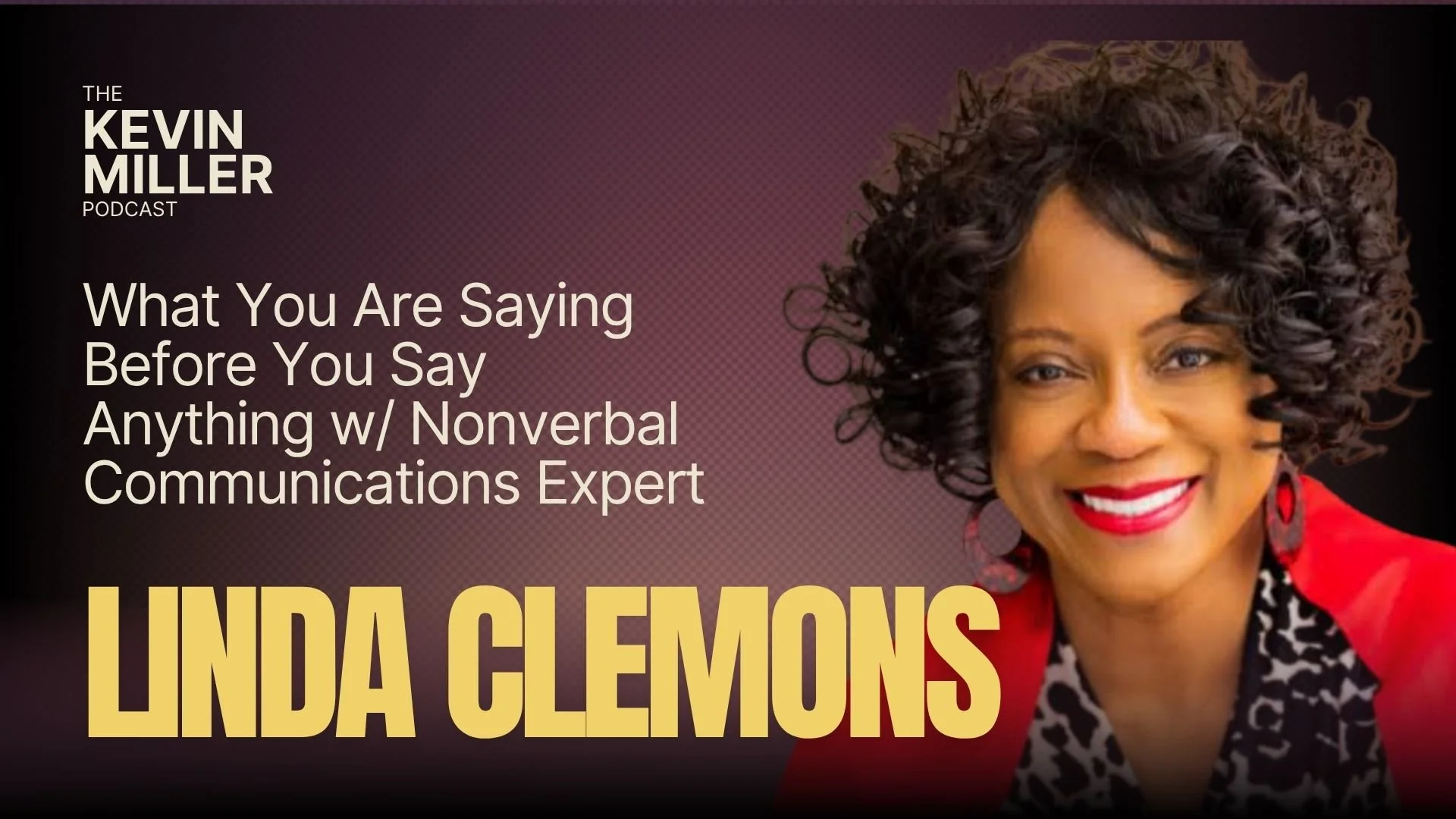
What You Are Saying Before You Say Anything w/ Nonverbal Communications Expert Linda Clemons
I put much focus on being aware of what I’m thinking. Then carefully considering what I say and paying close attention to how I say it. But my guest has shown me how much I’m communicating before I say anything at all. Linda Clemons is one of the world’s foremost body language experts. She travels around the world training top CEOs, sales teams, celebrities, media luminaries, and the rest of us on how we can harness the enormous power of nonverbal communication. And I was very interested in how we might be sabotaging our intent to connect with others, with poor nonverbal habits. She has a big following on social media where she gives guidance on how to effectively walk into a room, cues to look for when someone is lying or unsure, how to read a room, and what nonverbal cues give you away. My interest is in connecting with people and helping them feel safe and at ease, and this is really Linda’s deeper work. She has a new book, HUSH: How to Radiate Power and Confidence Without Saying a Word. And you can find her most everywhere @lindaclemons
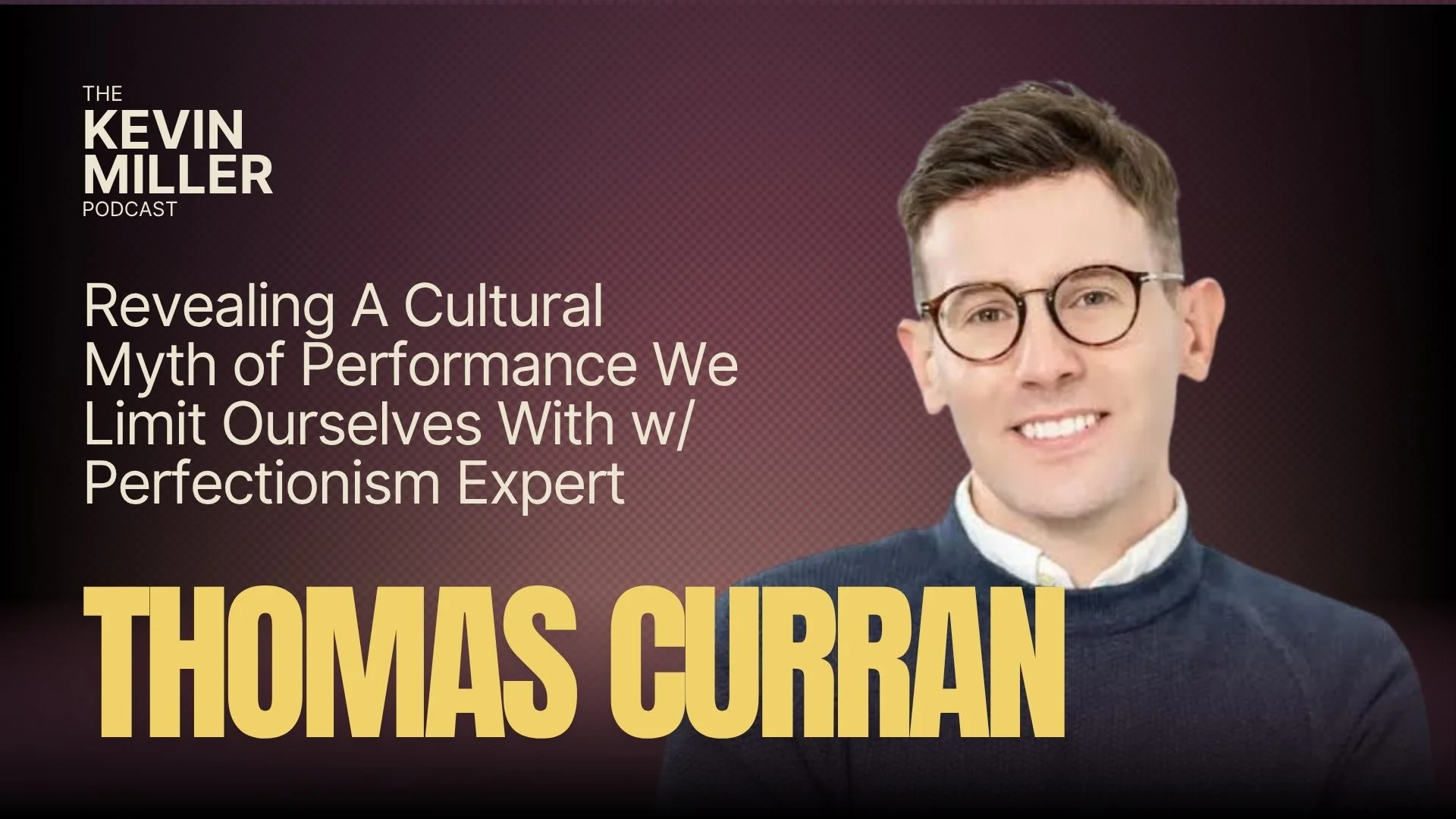
Revealing A Cultural Myth of Performance We Limit Ourselves With w/ Perfectionism Expert Thomas Curran
One of our primary cultural badges is being “busy”. We adopted the idea that busyness equals importance and status. I feel in the same way we’ve adopted a badge of perfectionism. This is now a wildly common label we give ourselves, as we all struggle with our “perfectionism” as we strive for excellence, as if not being a perfectionist means we have succumbed to mediocrity. But what my guest reveals to us is how we are often hiding, protecting, and limiting ourselves with our so called concepts on perfectionism. Thomas Curran has a PhD in psychology and is a professor in the Department of Psychological and Behavioral Science at the London School of Economics. Thomas studies the personality characteristic of perfectionism, how it develops, and how it impacts our mental health. His TED talk on our dangerous obsession with perfectionism has millions of views and his research has been featured in media ranging from the Harvard Business Review to New Scientist to CNN. Thomas has a book titled, The Perfection Trap: Embracing the Power of Good Enough. Since talking with Thomas I completely changed my perception of perfectionism and don’t want my name associated with it. See if you feel the same after listening.
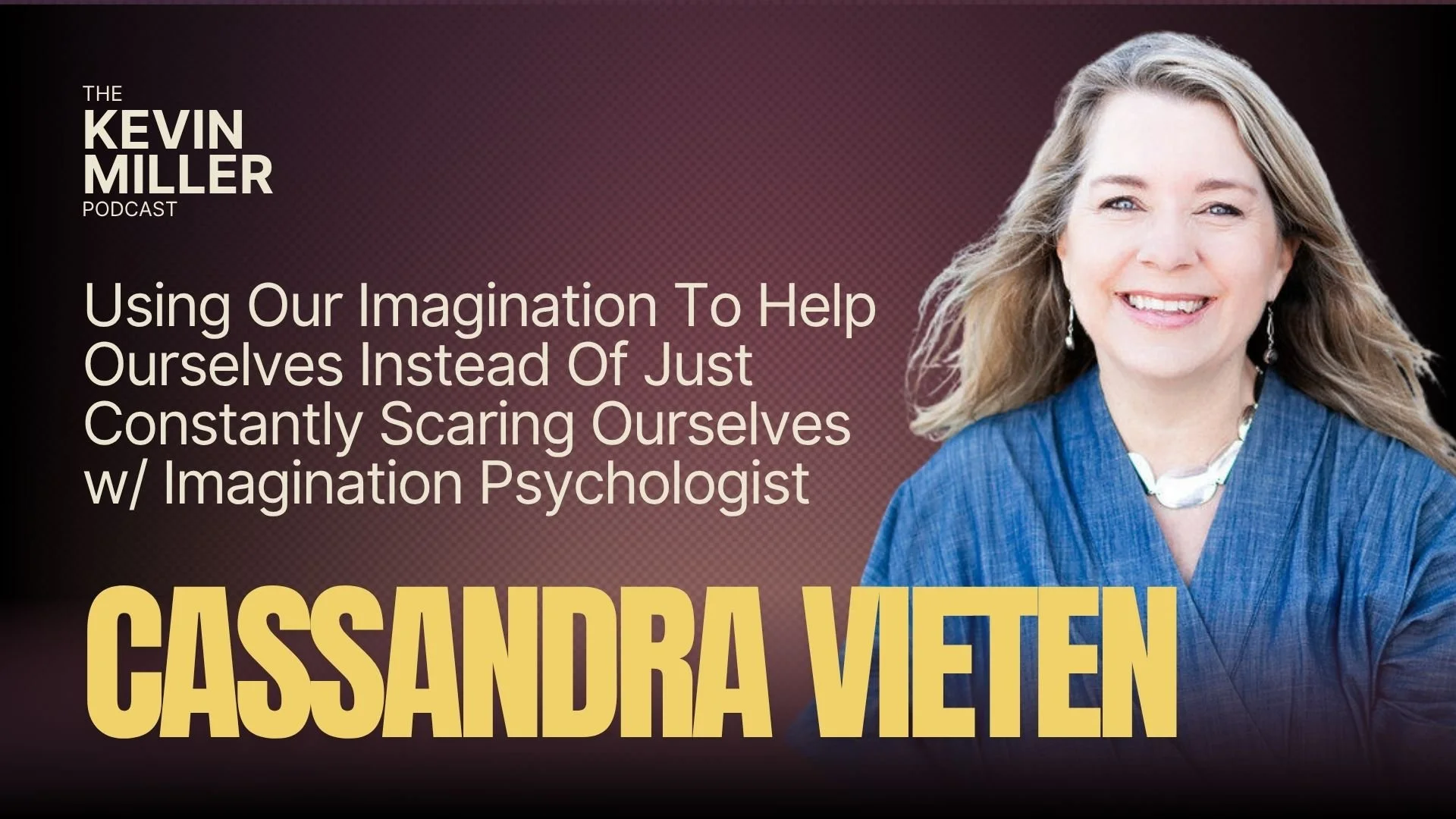
Using Our Imagination To Help Ourselves Instead Of Just Constantly Scaring Ourselves w/ Imagination Psychologist Cassandra Vieten
When a new book on imagination was sent to me for review, I initially began thinking how we have culturally seemed to decrease in being imaginative. We seem more black and white and limited than ever, lacking the imagination to consider other perspectives, alternatives, and options to evolve ourselves and our lives. But in reviewing the material it dawned on me that from another angle we may be more imaginative than ever. We are experiencing a mental health crisis at the hands of our own anxiety, which is in essence our propensity to sit around imagining all the bad things that could happen to us. That is plenty of imagination, just not in a very productive direction. To dig further into this, I bring you Cassandra Vieten. Cassandra is a licensed clinical psychologist, clinical professor in the department of family medicine, and director of research at the Arthur C. Clarke Center for Human Imagination at the University of California, San Diego. She also directs the Center for Mindfulness at UC San Diego and serves as clinical psychology director at the Center for Psychedelic Research. Her research has focused on imagination, spirituality and health, transformative experiences and practices, and the development of mindfulness-based interventions for emotional well-being. She has authored three books and her new one that I’m grateful was shared with me is, IMAGINE THAT: Transform How You Think, Feel, and Live with the Science of Imagination. Find her at cassandravieten.com
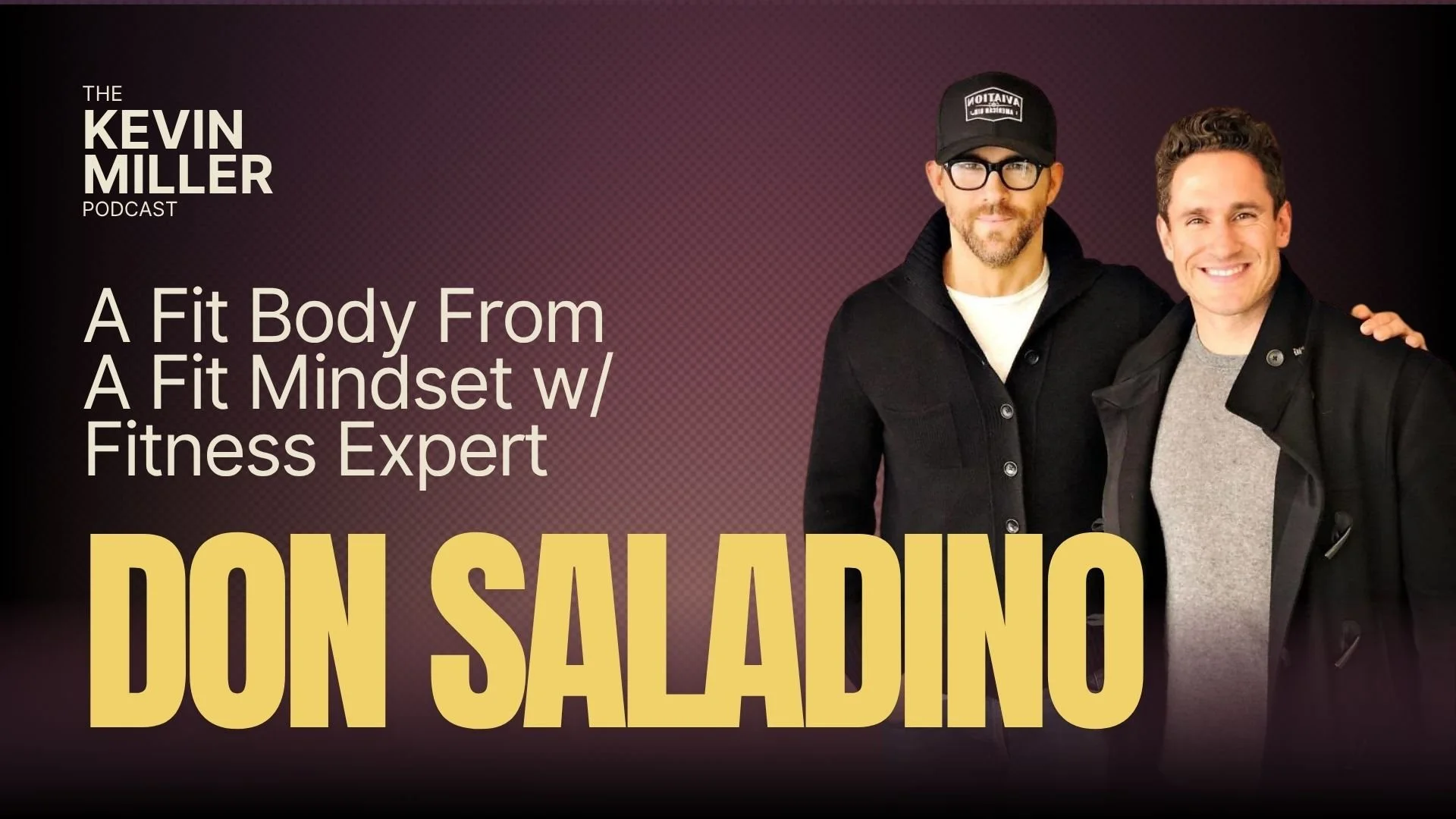
A Fit Body From A Fit Mindset w/ Fitness Expert Don Saladino
Don Saladino is a famous fitness expert, in part due to being the trainer for celebrities, such as Ryan Reynolds, Blake Lively, Emily Blunt, Sebastian Stan, Anne Hathaway, Jake Gyllenhaal, and Hugh Jackman. I appreciate that he has to know his stuff when he’s paid the big bucks to transform the physique of a celebrity for a film. He has to produce results. However, I also realize it’s easy to discount the big celebrity transformation when they can devote as much time as needed to training, have a well paid nutritionist, and trainer like Don. But I also know he devotes a lot of time to mere mortals like us, and even better, he’s maintained his own perfect physique for many years with the look that’s landed him on the cover of Muscle & Fitness magazine and others. And he’s also married with a couple kids and I’ve found him to be a grounded guy. What you will hear in this conversation is what you’ve probably expected all along. There are no real hacks or gimmicks to being fit. Fit and healthy, I’d say. Don is not doing anything crazy to be fit. He lives his life. He works out. He recovers. He eats clean. And at the end of the day he just wants to feel good and enjoy his life, as you and I do as well. So he talks about having a fit mindset and finding what is sustainable for you. Find him at donsaladino.com
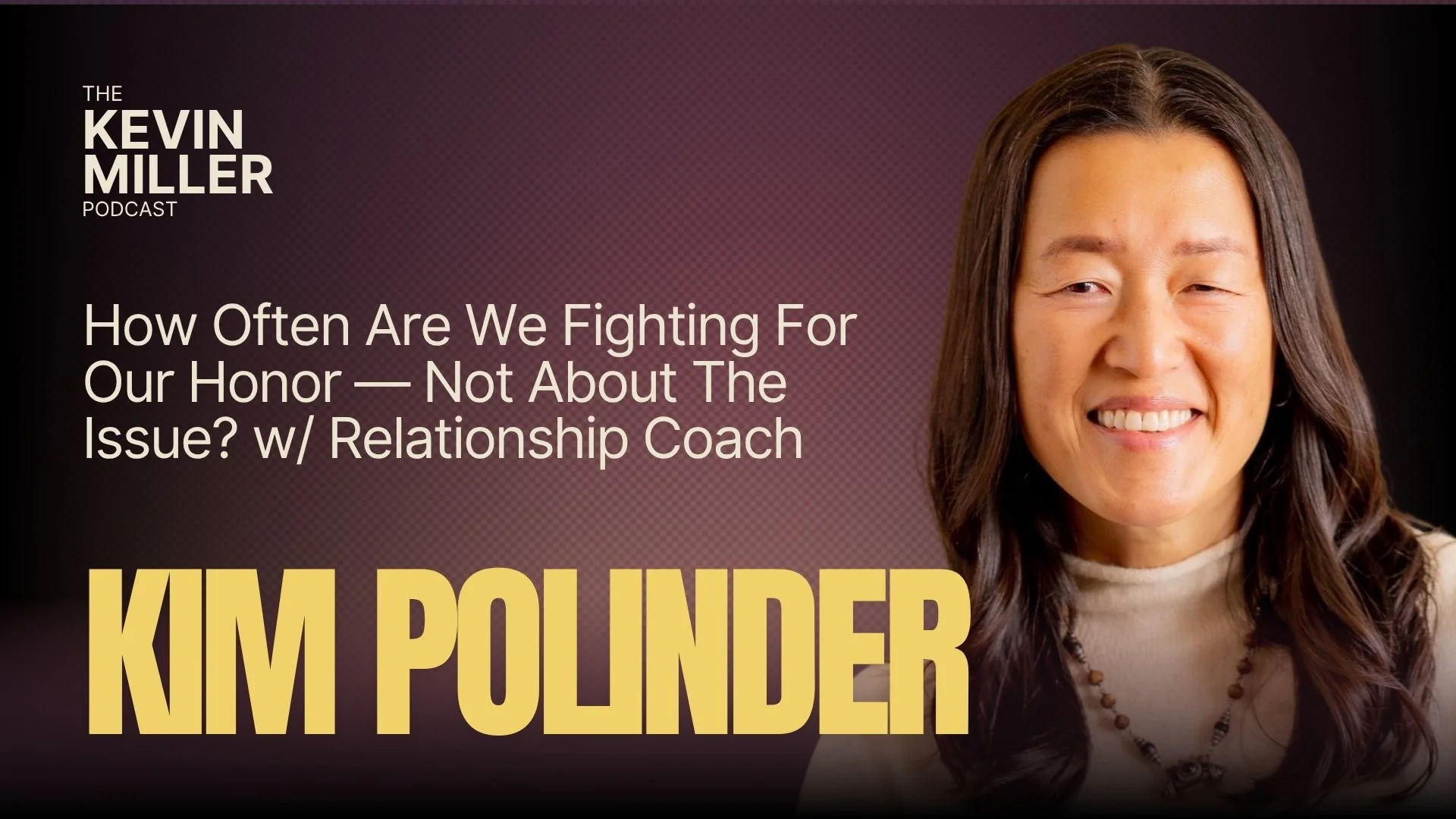
How Often Are We Fighting For Our Honor — Not About The Issue? w/ Relationship Coach Kim Polinder
If we look at any disagreement, whether you call it a fight or a conflict, we can ask, “What is at stake.” Sometimes there may be a real danger or consequence involved. However. What we find in therapy and counseling is that many times, actually the majority of our common conflicts, there is nothing of danger or serious consequence involved. What we are actually fighting for, as my guest says, is our honor. Our identity. We feel our character is under threat. I resonate with this concept very, very personally, as you will hear. My guest is Kim Polinder, a relationship coach and therapist with more than 600,000 followers across all social media platforms and millions of views of her viral relationship advice videos. Kim was a Fortune 500 tech engineer who left that field of work behind to follow her passion for psychology and emotional healing. With master's degrees in Clinical Mental Health and Spiritual Psychology, Kim blends techniques from Cognitive-Behavioral therapy and inner child work. Kim has her own story of dealing with her feelings of honor amidst conflict, and significant issues around abandonment. As a baby she was discarded onto a path in rural South Korea, where she was found, taken to a children’s home and finally adopted. From there she went on a journey of self-acceptance that fuels her empathy for her clients. I gained a lot from this conversation with Kim. She has a new book, titled WHY WE FIGHT: A Transformative Road Map to Healing Conflict in Any Relationship. You can find her at kimpolinder.com
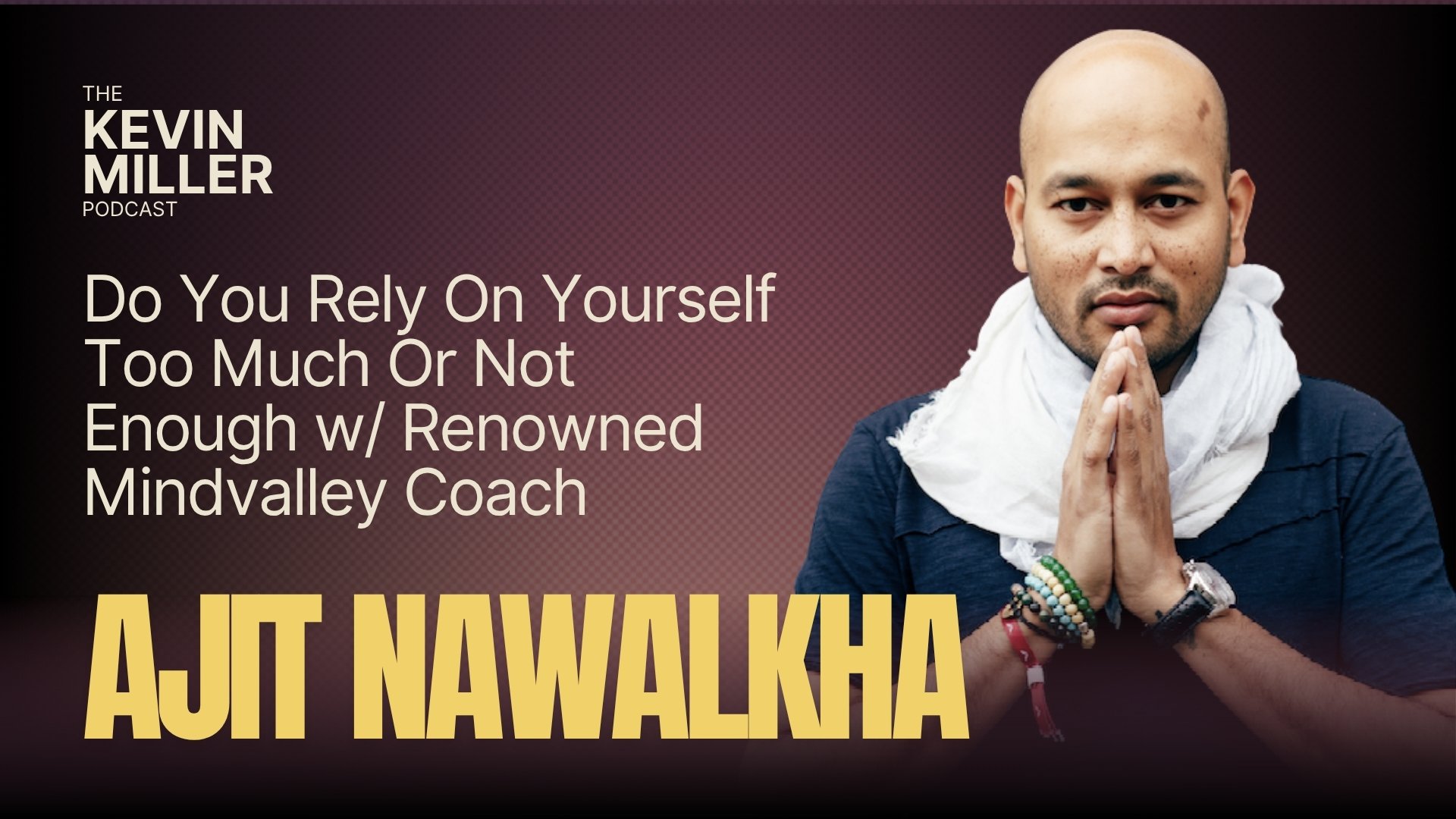
Do You Rely On Yourself Too Much Or Not Enough w/ Renowned Mindvalley Coach Ajit Nawalkha
Of all the people we look to for guidance, expertise, counsel, and help, where do we figure into the equation? Are we a self we also rely on for guidance? This could sound like an elementary concept, but I find people more and more falling into two distinct sides: relying too much on themselves, or not relying on themselves at all. I feel I have spent much of my life relying too much just on me. Trusting myself more than anyone else and not getting enough helpful guidance and help from others. But in today’s culture of influencers and leaders and now AI, I concern myself that we may be coming to a place of relying on the counsel of everyone and everything other than ourselves. So I’m bringing back a discussion with Ajit Nawalkha. Ajit is a renowned coach with a big pedigree. He was the former CEO at Mindvalley and is now co-founder of Mindvalley Coach. Mindvalley has 20 million members in 125 countries. I sat down with Ajit a couple years ago to discuss his concept of self-coaching, and I think it brings a valuable paradigm shift to the crux of not being totally independent, but also not being totally dependent on others. But finding a balance of interdependence where you are a main guide in your own life. Find him @realcoachajit
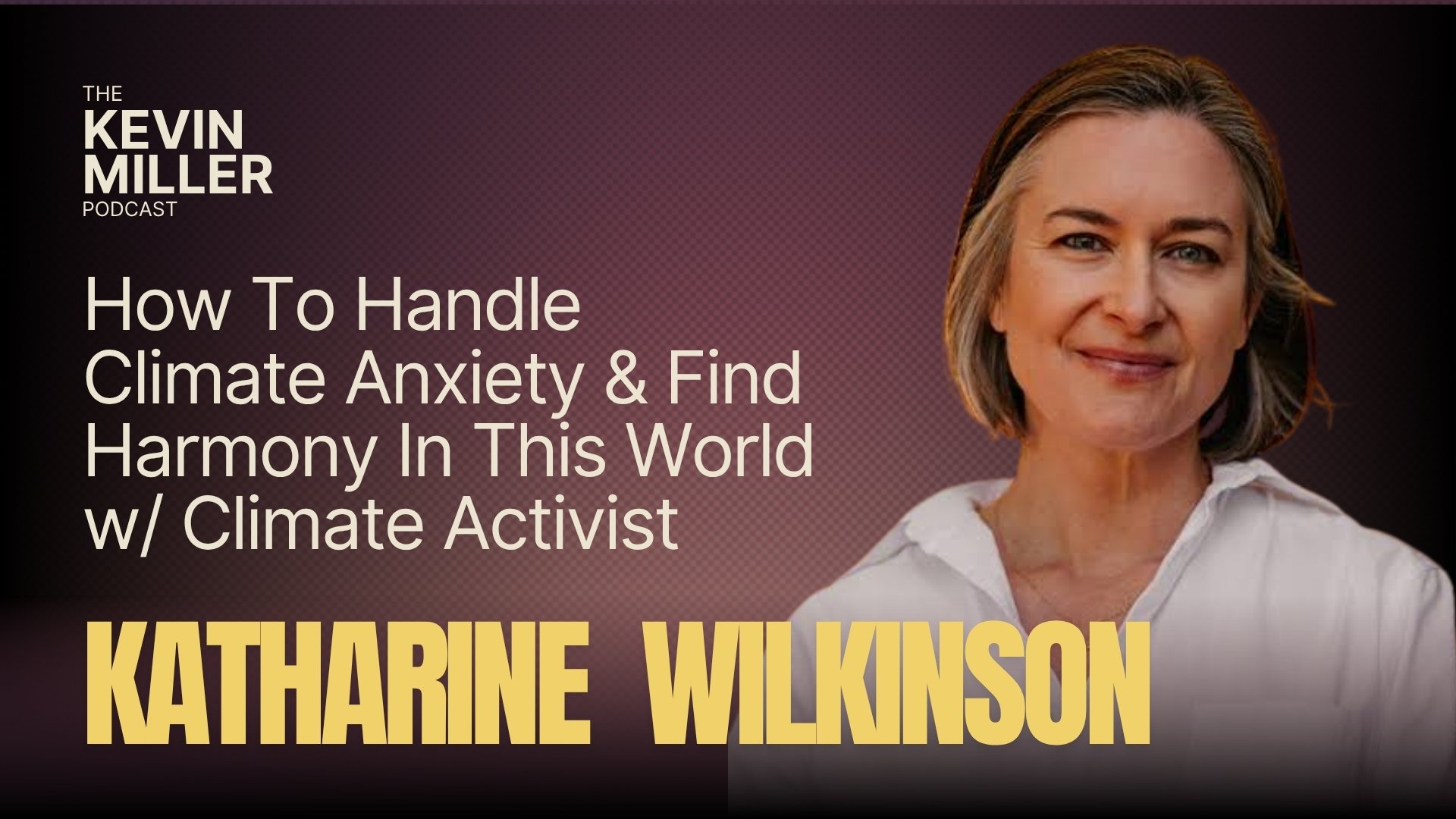
How To Handle Climate Anxiety & Find Harmony In This World w/ Climate Activist Katharine K. Wilkinson
My focus here is as I say in the intro, how we make meaning in our lives. How we experience life. There are many great shows that deal with the specific issues we face out in life, as I tend to the issues we face in our minds. But what I found with my guest was not a focus purely on the climate issues we face today, but looking at them as a means to and end in essence, to our overall peace and joy of life on this earth. So as we of course talk about climate issues and how we may contribute, we primarily discuss the human experience. Dr. Katharine K. Wilkinson claims her main label as a human on Earth. As a writer, teacher, and creator, she has inspired hundreds of thousands of climate journeys through transformational projects that shift our cultural narratives about what’s possible and nurture engagement in renewing our world. Her publications include the bestselling anthology All We Can Save, the podcast A Matter of Degrees, and the New York Times bestseller Drawdown. Dr. Wilkinson co-founded and leads The All We Can Project, where she shaped the much-beloved programs All We Can Save Circles and Climate Wayfinding. In 2019, Time magazine named her one of fifteen "women who will save the world.” Her new book that is my muse for the discussion is, Climate Wayfinding: Healing Ourselves and the Planet We Call Home. You can find Katharine on Instagram & Substack at @drkwilkinson.
Kevin’s Substack Blog
Get vignettes of insight Kevin receives from podcast guests and his own studies

Featured Guests
We're honored to have some spectacular guest conversations.
Too many to list. But here are a few that stood out.
Arthur Brooks

Dr. Will Cole
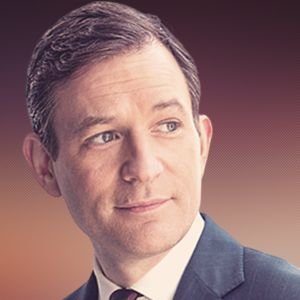
Dan Harris
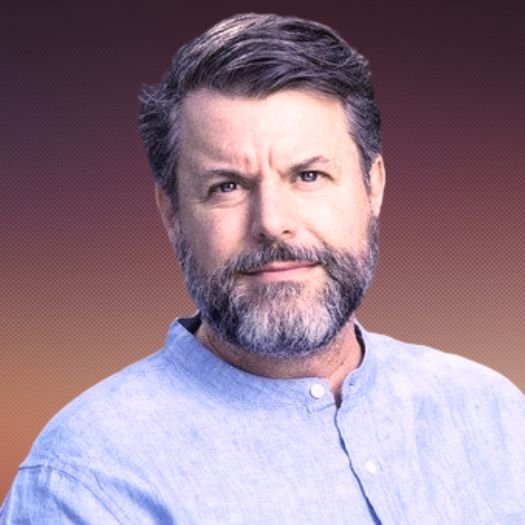
Charles Duhigg
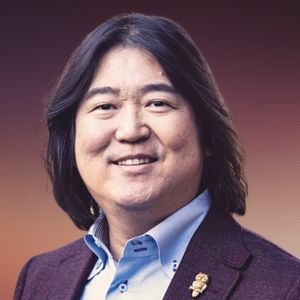
Ken Honda
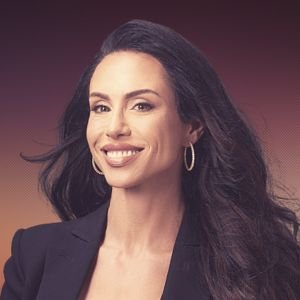
Dr. Gabrielle Lyon

Dandapani
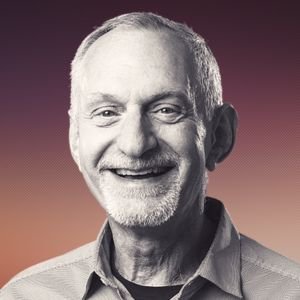
Dr. Robert Waldinger
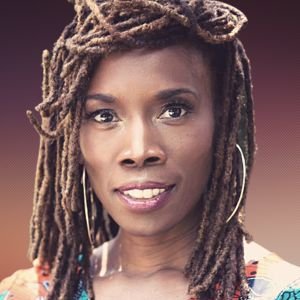
Dr. Thema Bryant

Jordan Harbinger
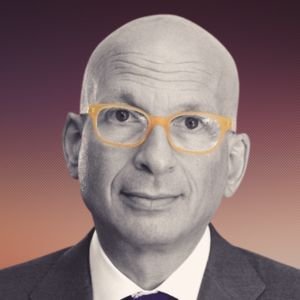
Seth Godin
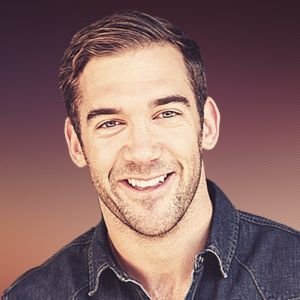
Lewis Howes
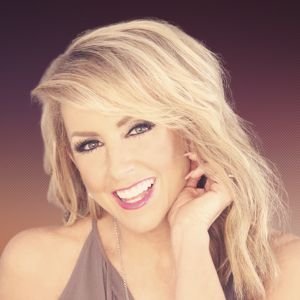
Chalene Johnson
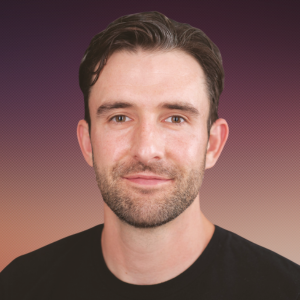
Michael Easter
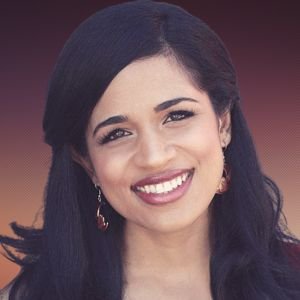
Maya Shankar
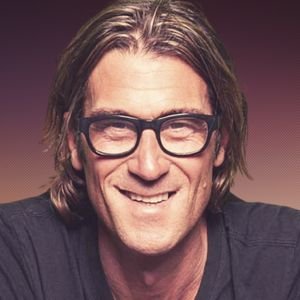
Rich Roll
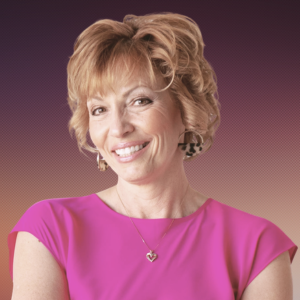
Marianne Renner

Michael Hyatt

Josh Peck
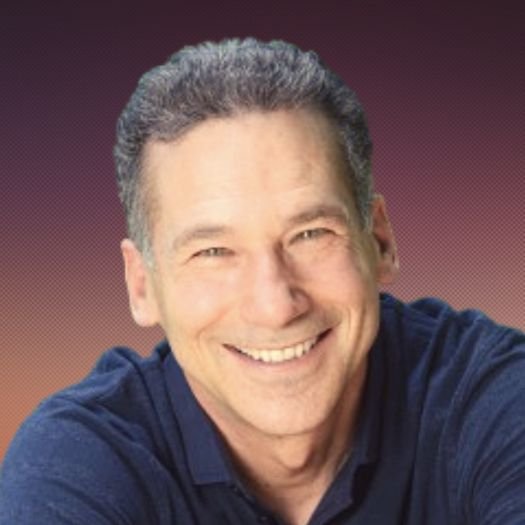
William Ury

Francesca Sipma
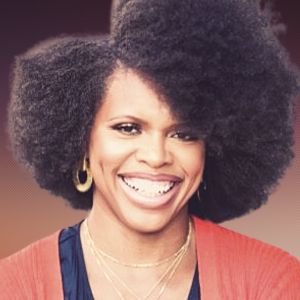
Nedra Glover Tawwab

Patrick Lencioni
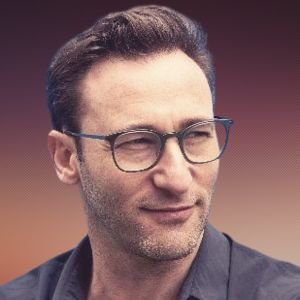
Simon Sinek
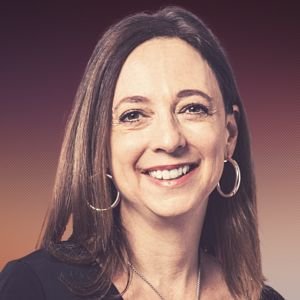
Susan Cain
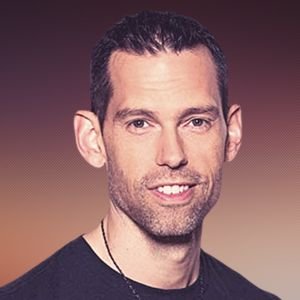
Tom Bilyeu

Heather Monahan

Dr. Neeta Bhushan
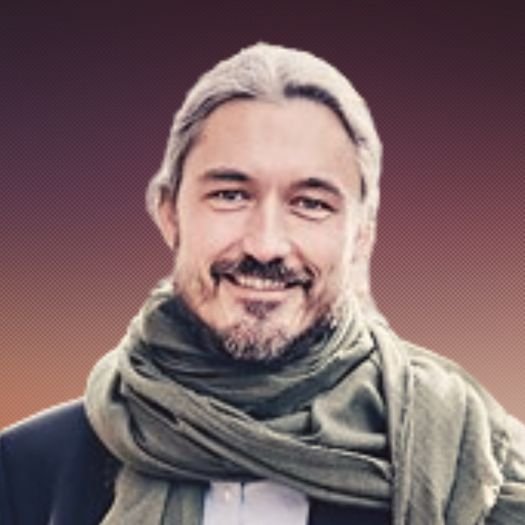
Thomas Hübl
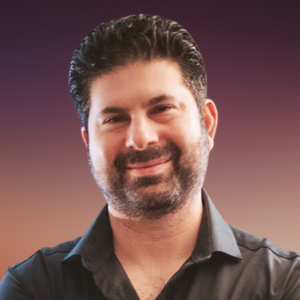
Scott Barry Kaufman