

75M DOWNLOADS
1,700+ Episodes
350+ GUESTS
The Kevin Miller Podcast
The big question - what is the meaning of life?
The great quest - to find meaning in life.
I devoted my life to filling all the roles, pursuing all the achievements, and engaging with all the relationships I thought would provide the greatest meaning to my life.
Only to come to the reckoning that the world doesn't give meaning to my life. I do.
Join me as I discuss how we make meaning from our lives and how we can satisfy ourselves in every moment, regardless of the circumstances.
Kevin Miller began hosting The Ziglar Show in 2014. Kevin quickly took the show from 100k downloads to over 600k per month. In their effort to continue to evolve the show and serve the audience, Kevin and the Ziglar team rebranded the show to “Self Helpful, with Kevin Miller” in 2019. Today, the show has evolved to The Kevin Miller podcast, with over 75M downloads and 350+ guests.

Listen on Your Favorite App




Watch Full Episodes

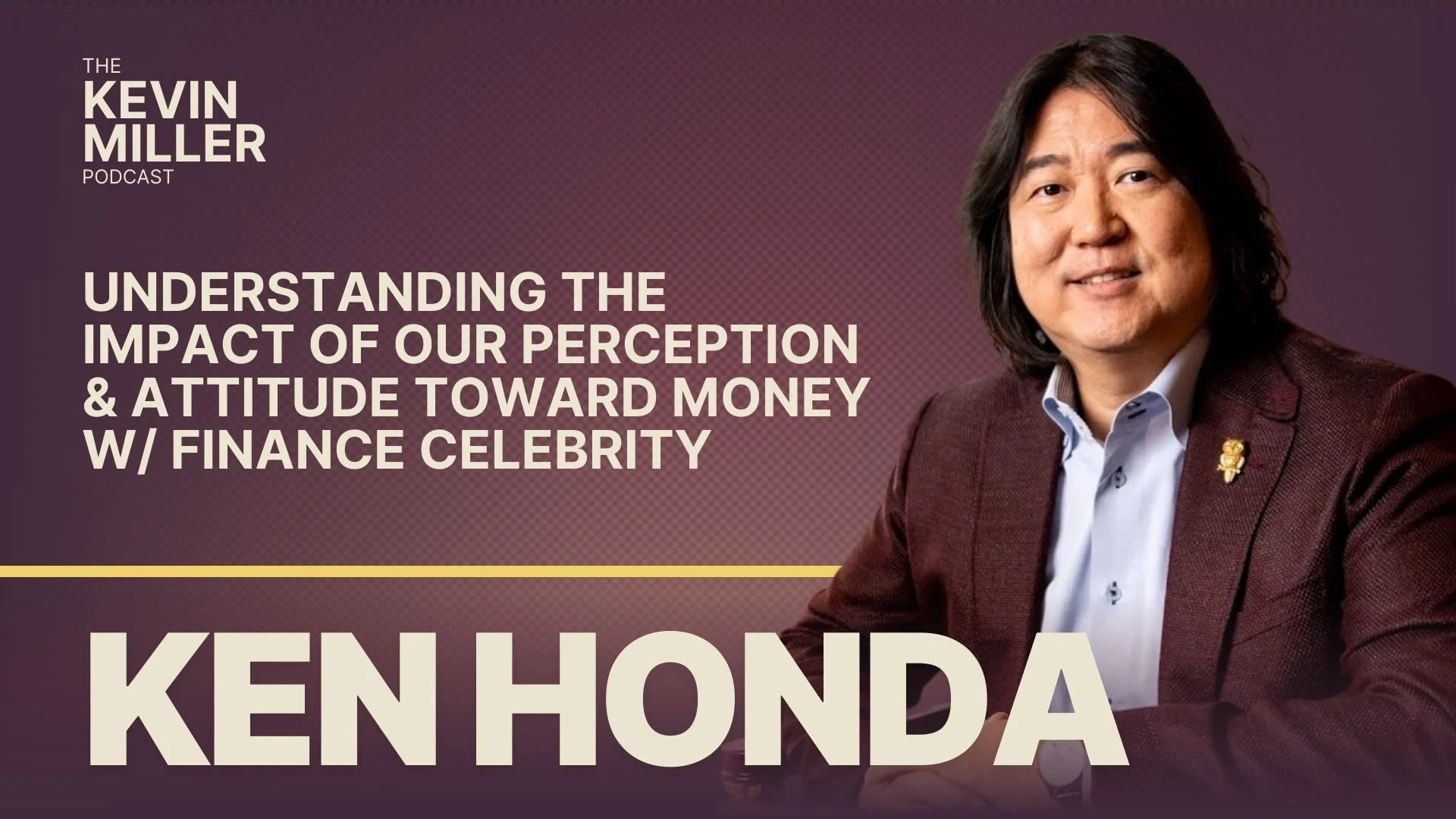
Understanding The Impact of Our Perception & Attitude Toward Money w/ Finance Celebrity Ken Honda
I seldom give focus to money in this podcast, and this episode has nothing to do with making more or managing your money. It’s on how we make meaning of money, which may dictate more about your money situation than anything else. And to that degree we are looking at how you feel about your money, more than whatever your situation may be. We all likely know people with lots of money who stress about it far more than some with very little. My guest in this episode helped me reposition how I think about money. Long ago we exchanged goods and service with each other. Today we do the same thing, but the exchange happens through money instead of the direct product or service. But of greater focus we are looking at our attitude towards money. My guest in this episode is a self-help legend and celebrity in Japan where he's sold nearly 9 million books about this topic. Ken Honda is the author of Happy Money: The Japanese Art of Making Peace with Your Money. But it's not money Ken is concerned about, it's your happy soul. This is why he has most of his own country following him, and now is claiming hearts around the world, including now, America. He joined me via Zoom from somewhere near Tokyo and we just had a super sweet time together. Ken ultimately endorsed my book, “What Drives You, for the Japanese market. I think you'll find a significant paradigm shift in your perspective on money and a new hope for feeling better about it. I did. Truly. There are products and services we don't want to spend money on. Such as, we don't want to give $1,000 to a car mechanic to fix something that went wrong on our car. So we give the mechanic money with sad feelings. Sad energy. And the mechanic is on the receiving end of getting sad money. Would you like to change this perspective, as the customer and the mechanic? Ken is going to help. We start off addressing the common negative feelings many people have towards money, and turn it on its head. It's not money we are upset with. It's really the work we don't like and aren't proud of, that we are doing to earn money. It's more about how we are earning our money than the money itself. I think you will be so stoked with this episode you'll want to share it with everyone you know.
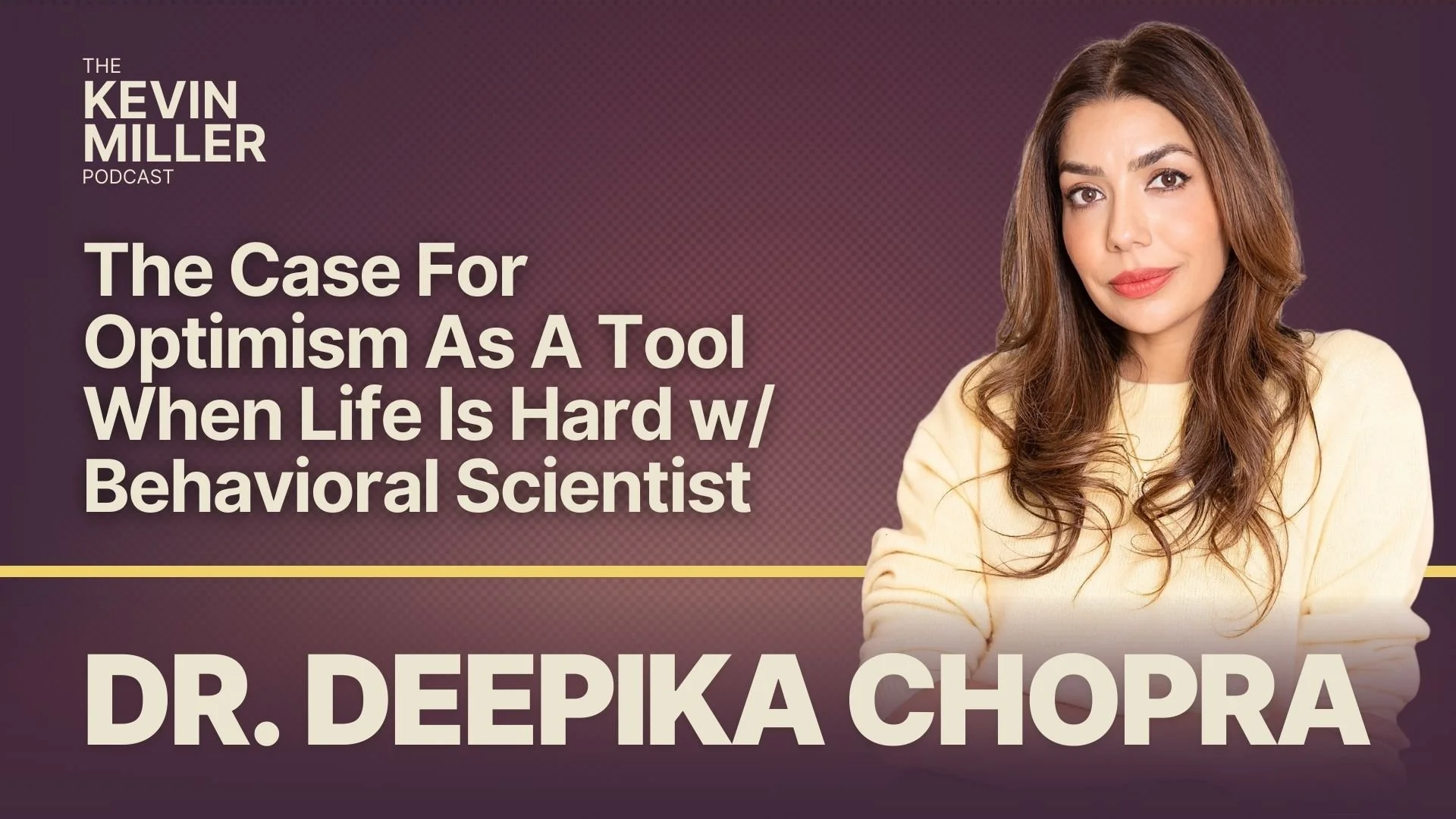
The Case For Optimism As A Tool When Life Is Hard w/ Behavioral Scientist Dr. Deepika Chopra
Optimism isn’t about pretending everything is fine. It’s about staying open and flexible—especially when it’s not. In this fresh, science-backed debut, professional psychologist and media expert Dr. Deepika Chopra shows us how to build the kind of optimism that can actually withstand real life. We’ve been sold the idea that optimism is a mood, a mindset, or worse—just an inherent trait. But what if real optimism is something else entirely? In The Power of Real Optimism, Dr. Deepika Chopra—known as The Optimism Doctor®—offers a radically different definition: optimism as a science, a skill, and a psychological muscle we can strengthen. Drawing from over a decade immersed in the science of resilience, emotional well-being, and cognitive psychology—as well as her work with clients, innovative workshops, and hallmark practices (think: evidence-based visualization, narrative reframing, her signature “self-worth work,” and even color therapy)—Dr. Chopra offers a toolkit for navigating the chaos, uncertainty, and nuance of being human—without losing yourself to it. Grounded, practical, and poetic in all the right ways, this book will challenge your relationship with hope, rewire how you recover from hard things, and invite you to stay soft without falling apart. With her blend of intimate storytelling, psychological insight, and tangible tools—including a 33-day Real Optimism Challenge—Dr. Chopra offers something far more enduring than a quick fix or fleeting affirmation. She invites us into a deeper, more resilient way of living—one where we can stay curious in the face of fear, open in the face of grief, and grounded even as the world wobbles beneath us. Because real optimism doesn’t deny the dark—it teaches us how to see in it.
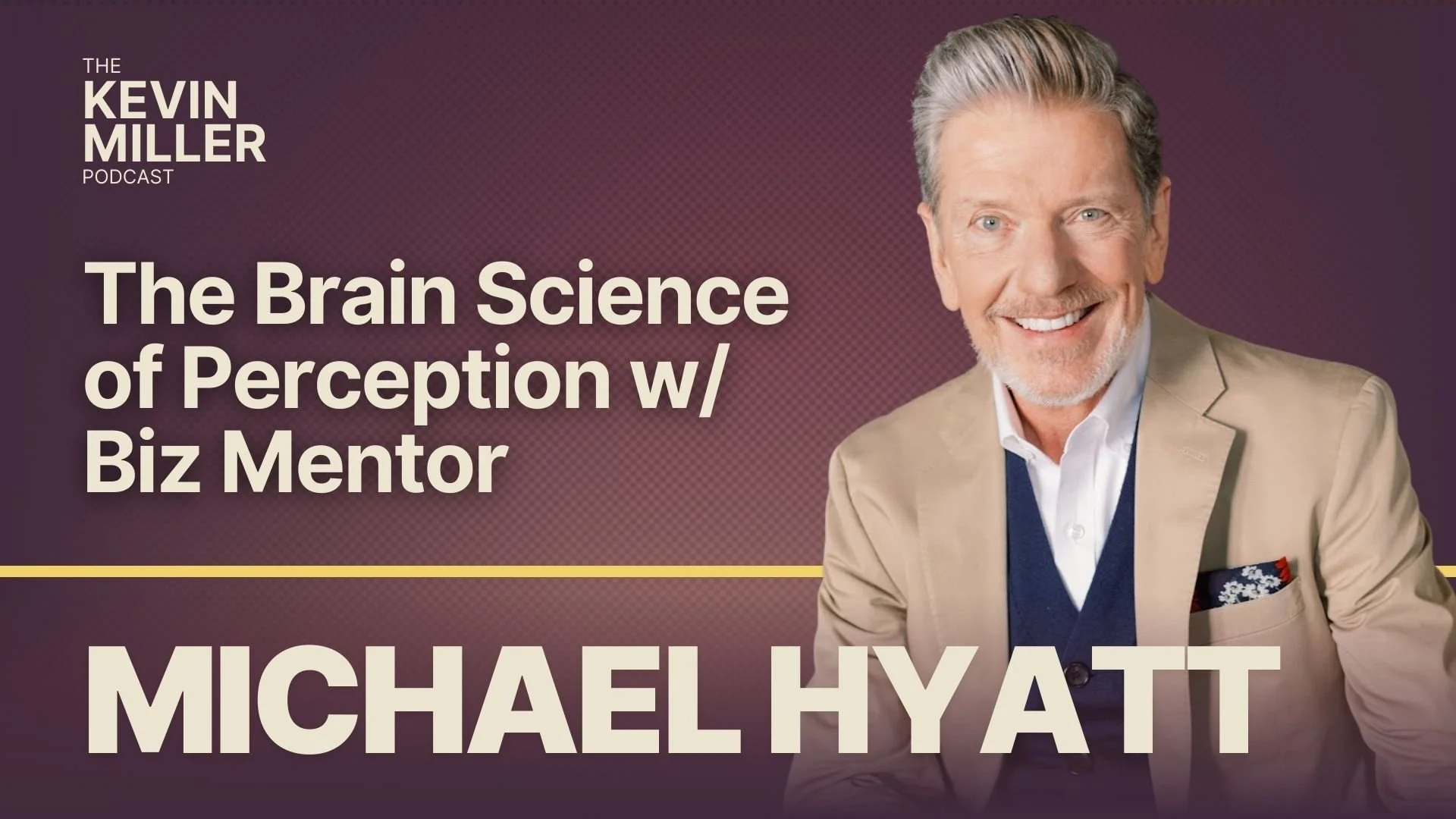
The Brain Science of Perception w/ Biz Mentor Michael Hyatt
I give much devotion to how we perceive reality, our emotions, and our identity. I find it is now what we perceive, but how we perceive that makes the difference in our life satisfaction. In this episode I sat down with business mentor, Michael Hyatt. I’ve known Michael for many years, he and my father were close friends and Michael flew down with Dave Ramsey to spend time with my Dad in his last days here on earth. I was grateful to be with them all that day. Michael truly has become a mentor to so many of the influential people I know in the business and self-improvement space and he is known for his tremendous discernment and insight into the root issues of success. I’ve had Michael on this podcast four or five times and this time we discussed the message in his book, Mind Your Mindset: The Science That Shows Success Starts with Your Thinking. We discuss the predominant cultural concepts on reality, and how much of what we want to claim is objective reality is not. It’s what we believe to be true and generally influenced by what we want to be true, but it’s not. The point is not to prove your reality wrong but to help us all be more mature and constructive with what we perceive…or think we perceive. And to also better understand other people in their own efforts to cope with their own perceptions.
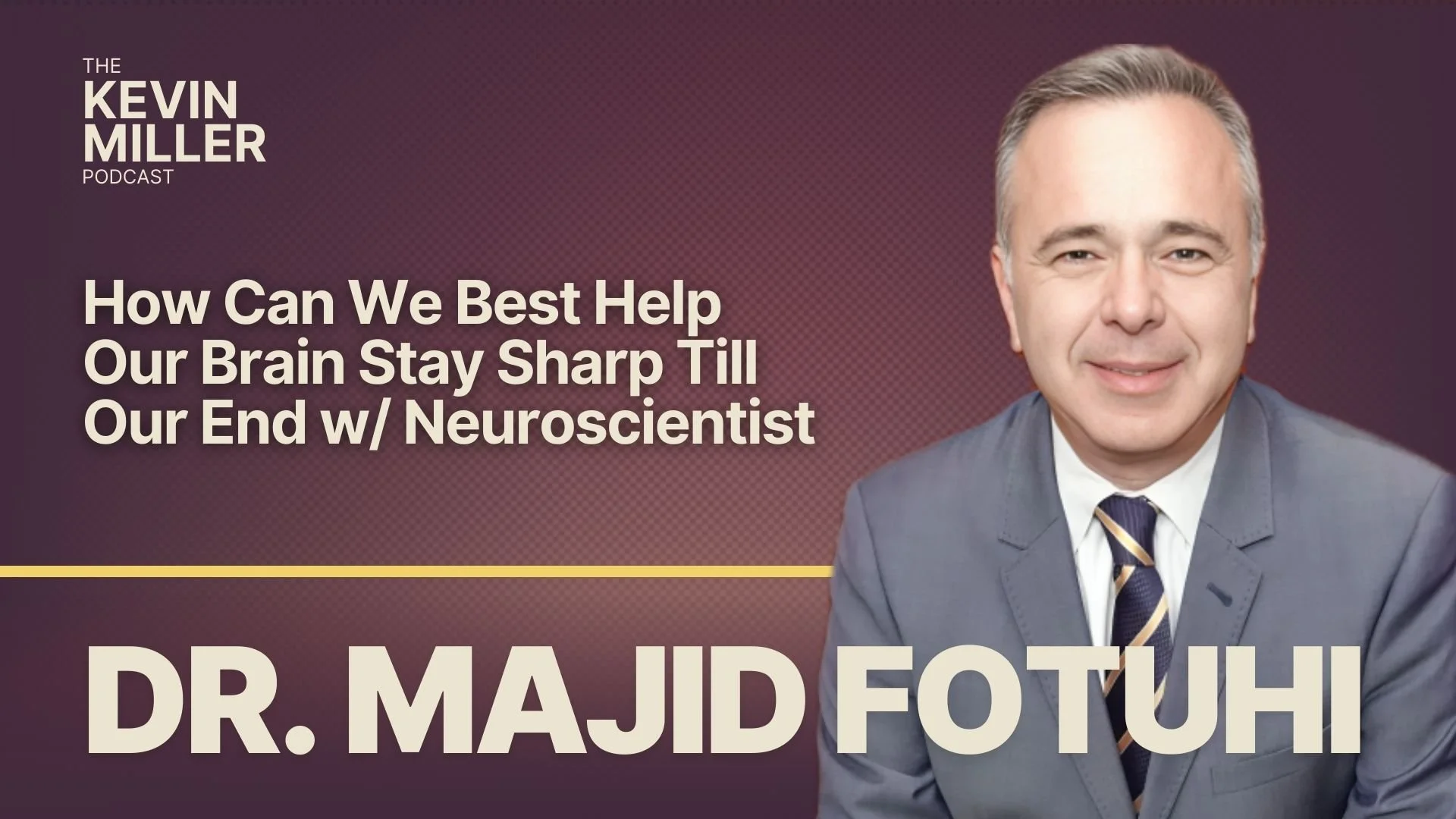
How Can We Best Help Our Brain Stay Sharp Till Our End w/ Neuroscientist Dr. Majid Fotuhi
We are in the information age and I don’t believe there are any new topics and there is little, actual new information. But we can discover new insights and new angles and information that is more relevant for the current culture. And sometimes I just interest myself in an individual and their role within a topic and I want to hear their take on it. So with that said, in this episode I’m with Dr. Majid Fotuhi. Harper Collins, one of the world’s big five publishers sent me a galley copy, which is a pre-copy before the book is actually published, of Majid’s new book, “The Invincible Brain: The Clinically Proven Plan To Age-Proof Your Brain And Stay Sharp For Life.” I am very interested in brain health. I want to be cognitively sharp and able until my last breath. And I was interested in Majid’s background. He earned his PhD in Neuroscience from Johns Hopkins University and then his Medical Degree from Harvard Medical School, two institutions I greatly respect. Majid is currently an adjunct professor at the Mind/Brain Institute at Johns Hopkins University, while also teaching at George Washington University and Harvard Medical School. With 37 years of experience in teaching, clinical practice, and neuroscience research, Majid is a pioneer in enhancing brain vitality and cognitive performance and he developed a “Brain Fitness Program” that targets lifestyle optimization and cognitive stimulation to improve memory, focus, and overall brain health. The program has delivered measurable success for patients dealing with memory loss due to aging, concussions, and ADHD.
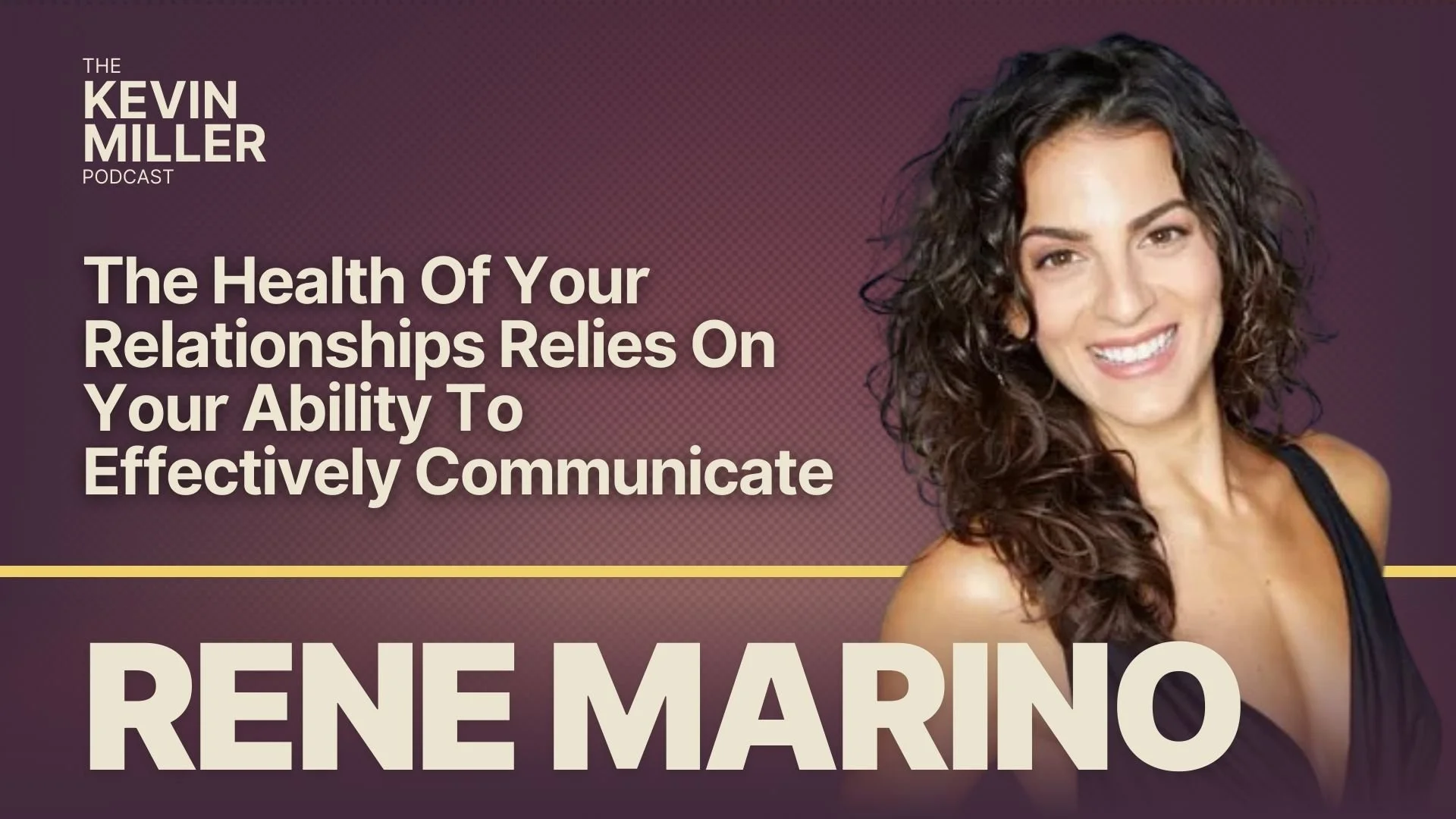
The Health Of Your Relationships Relies On Your Ability To Effectively Communicate w/ Communications Expert & Broadway Star Renée Marino
The Harvard Study of Adult Development, often referred to as the Grant Study, is widely recognized as the longest-running, in-depth scientific study of adult life ever conducted. I recently published an episode I did with the director, Robert Waldinger. The results of the study have now famously shown us that what most fulfills us in life is relationships. Of course not just any relationships, but the truly valuable and significant relationships of our lives. It’s proven very difficult to have such relationships, if we can’t effectively communicate with others. And by effectively communicate, we mean to actually connect in a meaningful way. So in this episode I bring you Renée Marino. Renée is a renowned Broadway star, singing, acting, and dancing in West Side Story, Pretty Woman, and Jersey Boys. Her lead role in Jersey Boys caught the eye of famed actor Clint Eastwood who took her from the stage and cast her for the lead female role in his film, Jersey Boys. Renée's livelihood is communicating. She must connect with and move the audience, and she's a master. Following Clint’s film, Renée turned her attention to the professional and personal world and is showing us the heart and skill of real communication. The kind that does just what Renée does on stage, on film, and in her personal life...truly connects us with others in a meaningful way that moves them to engage with us. I connected with Renée so much I had her come back and co-host a bunch of episodes with me, we co-presented at a speaking event together, and became good friends. Renée has culminated her methodology of communicating in her book, Becoming a Master Communicator: Balancing New School Technology with Old School Simplicity, which you can get anywhere and just search for Renée Marino and you’ll find her everywhere.
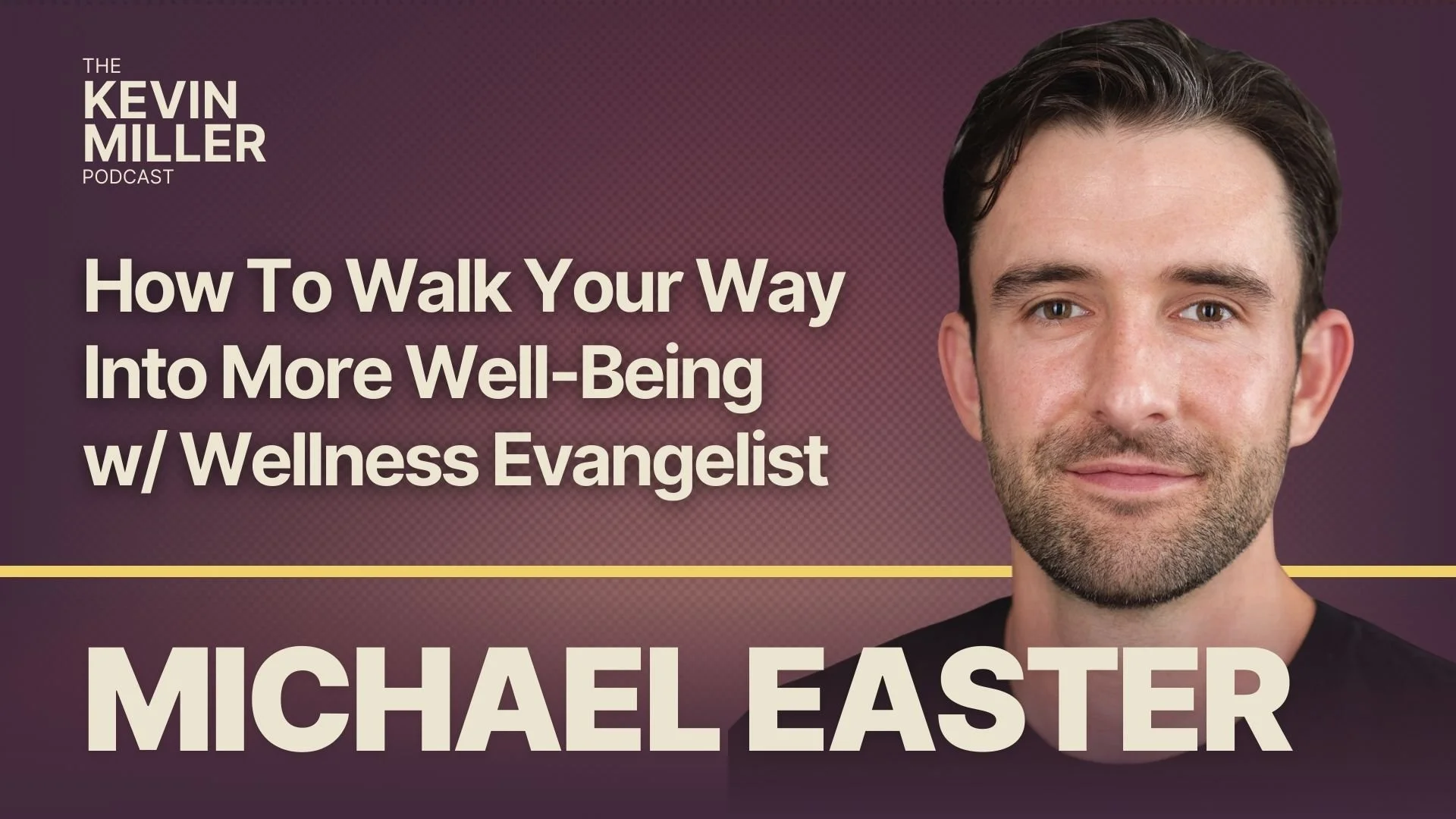
How To Walk Your Way Into More Well-Being w/ Wellness Evangelist Michael Easter
This episode is focused on connecting with your body and soul through walking. Yes. Walking. Something I have had zero focus on my entire life. I looked at walking as a waste of time. But now I'm devoting near ⅓ of my exercise time to it. I am about to go out for a 2.5 walk with 45lbs on my back, right now. My guest here is Michael Easter who I’ve known about since 2021 when he published his book, The Comfort Crisis. In my peer group of people pursuing wellness, this book immediately became a mainstay and I resonated with the message hugely because I continue to question that our modern day conveniences have helped us at all. I think they have hurt us, and this is what Michael showcased in The Comfort Crisis. In that book he really helped put rucking on the map. Rucking is simply walking while carrying weight. It’s well known in the military, but now has become commonplace amongst us civilians. Here we discuss the physiological and psychological benefits of not only walking with weights, but simply walking. I feel that through walking, differently than running or mountain biking or other activities, I am connecting with me, and possibly benefitting my body more than with all my more extreme athletic pursuits. Michael’s brand new book is called, Walk with Weight: The Definitive Guide to Rucking. Michael Easter has built a remarkable career traveling the world in search of practical ideas that help people live healthier, happier, and more remarkable lives. I tune into hisTwo Percent blog weekly as do hundreds of thousands of other people to hear the latest findings from his extensive research and personal experimenting.
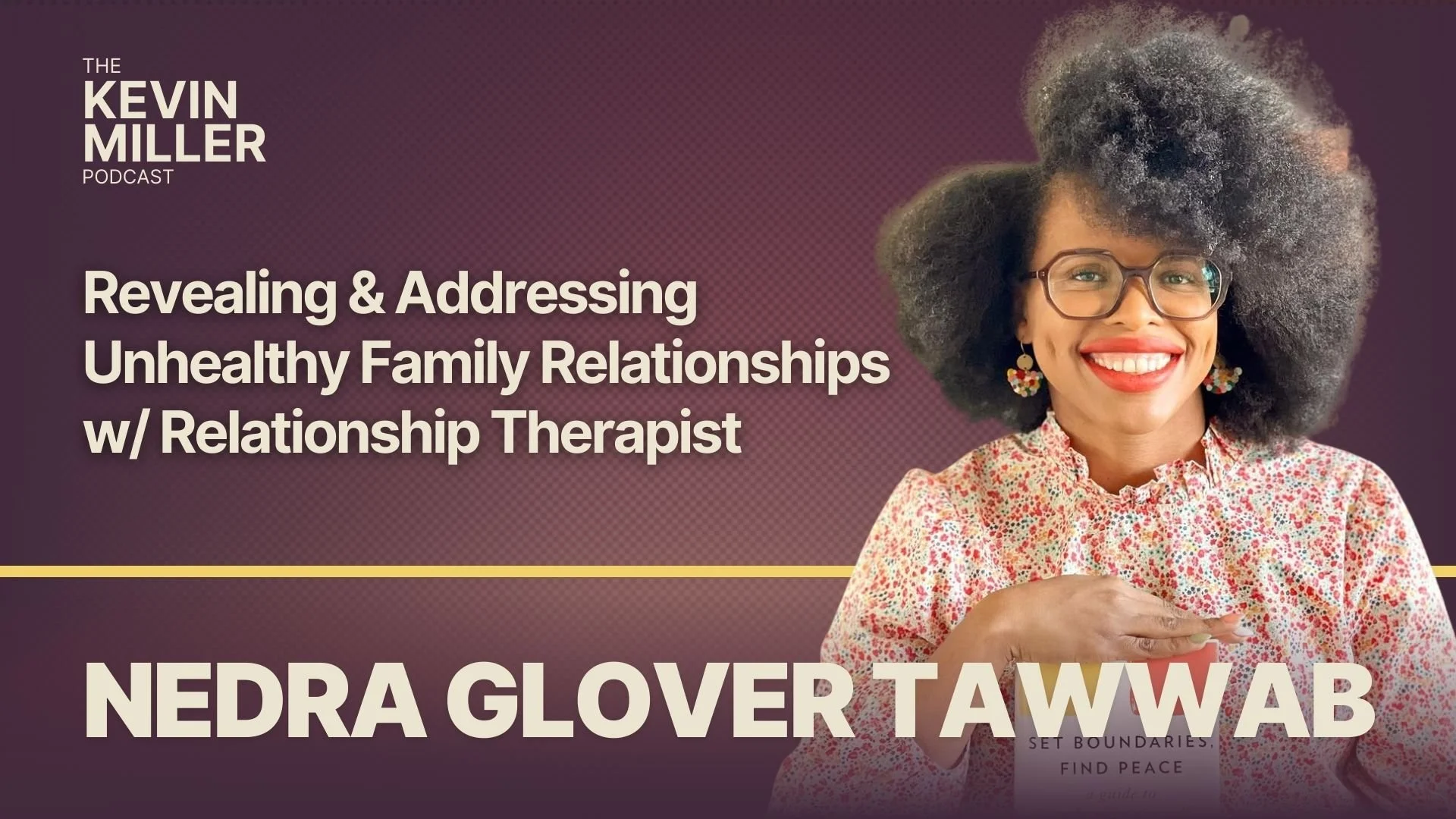
Revealing & Addressing Unhealthy Family Relationships w/ Relationship Therapist Nedra Glover Tawwab
Research and surveys showcase that what we most value in our lives are relationships. Yet for all the teaching and training we get as we grow up, how to have healthy relationships is seldom a topic. And we often fall to the examples we are exposed to. In this episode we are looking at identifying unhealthy relationships, healing, and growing. This was the second time I brought Nedra Glover Tawwab. I first had her on with her book, Set Boundaries, Find Peace. This time is for her book, Drama Free: A Guide to Managing Unhealthy Family Relationships. We dig deep into the relational issues that we all tend to just settle for and expect we have to endure long-term. Nedra is a New York Times best-selling author, licensed therapist, and renowned relationship expert. She has practiced relationship therapy for nearly 20 years. Nedra’s expertise is in helping people create healthy relationships by teaching them how to implement boundaries. Her philosophy is that a lack of boundaries and assertiveness underlie most relationship issues, and her gift is helping people create healthy relationships with themselves and others. Nedra has grown to be one of the most well-known, modern day therapists, you can find her on Instagram @nedratawwab with over 1.8 million followers.
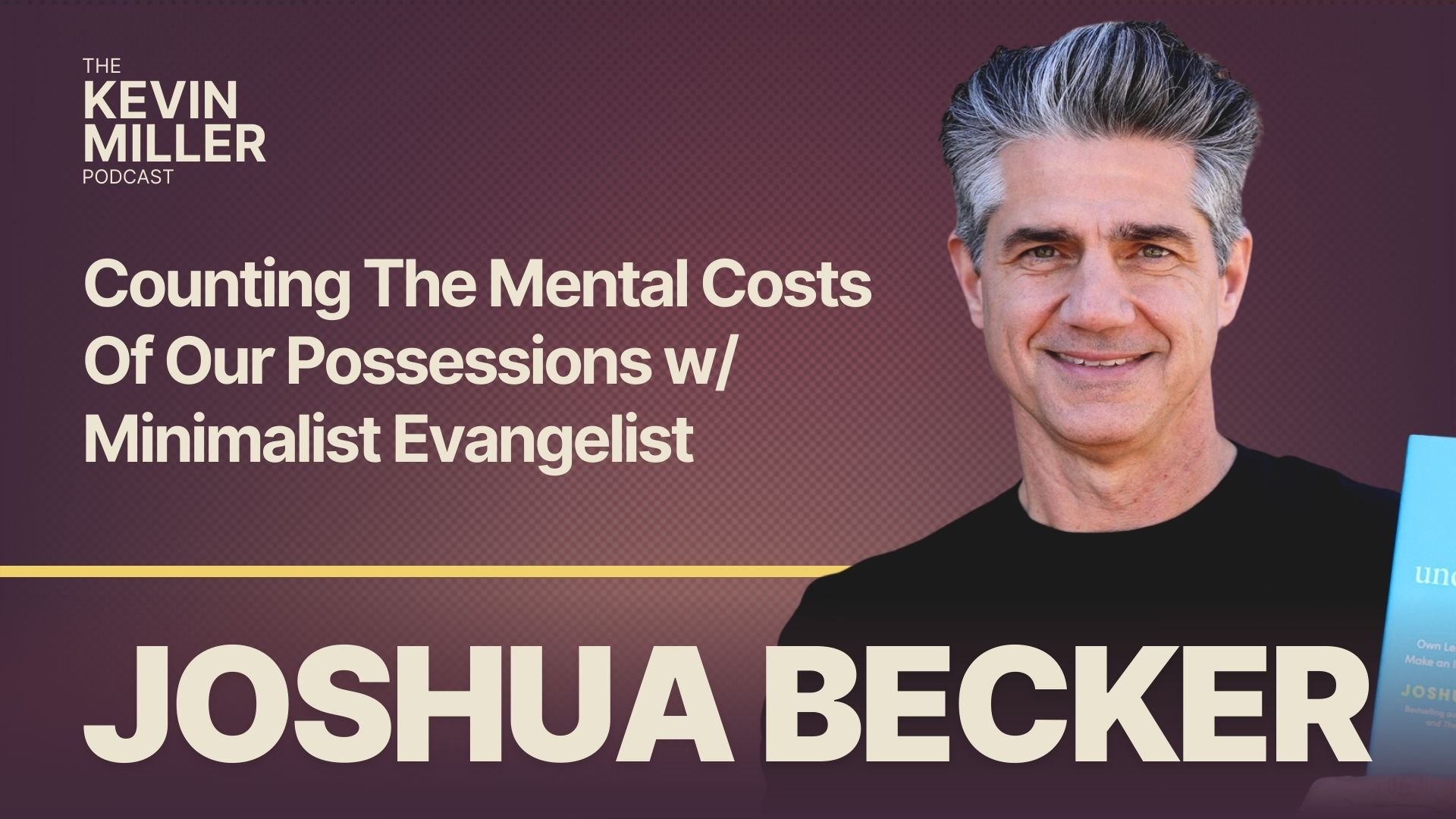
Counting The Mental Costs Of Our Possessions w/ Minimalist Evangelist Joshua Becker
Author David Foster Wallace is credited with a story in a commencement speech, where he shares, "There are these two young fish swimming along and they happen to meet an older fish swimming the other way, who nods at them and says 'Morning, boys. How's the water?' And the two young fish swim on for a bit, and then eventually one of them looks over at the other and says 'What the hell is water?'" We live in a culture where the expectation is to have absolutely everything. And more. Obviously there is a material cost to everything. Money. And it takes time to make money. So we cost ourselves a lot of work to afford all the stuff. But regardless. Even if you win the lottery and can easily afford anything. Having stuff takes up our mental space, and I don’t think we consider this. I sure didn’t. I was just like the fish. Stuff? What stuff? I don’t feel I bought things needlessly. Or for status. I had a big family. If we felt we needed something? Get it. Maybe get two. If someone might need it, let's have it on hand. This had its value. But my gosh. There is just stuff. Everywhere. I ultimately felt so tied down by it all. So, my guest is Joshua Becker, the founder and editor of Becoming Minimalist, a website dedicated to inspiring others to find more life by owning less. His websites welcome over 1M readers each month and have inspired millions around the world to consider the practical benefits of owning fewer possessions and given them the practical help to get started. He is an international speaker and the #1 Wall Street Journal and USA Today bestselling author of several books, the newest of which is, Uncluttered Faith: Own Less, Love More, and Make an Impact in Your World. I am on a constant quest to…pair down. Yesterday, as of this recording, I accompanied two of my daughters in talking through everything in their rooms. Rooms I think most would feel were sparse. The result of questioning each item? Two trash bags and two boxes full of clothes and…stuff. And an entire big bag of trash. Feels like a breath of fresh air. Space to…contemplate. Create.

87 Year Study On What Provides Happiness = Relationships w/ Harvard Grant Study Director & Zen Master Robert Waldinger
I want to start off by asking a question I continually interest myself with. Do we really want to be happy? If I survey the culture, it looks like we very much want happy moments. The little jolts of dopamine from entertainment, food, drugs and such. But do we really want deep and abiding happiness in our souls? Because if we do, then our primary interest would be in relationships. But not just any relationships. I’m revisiting a conversation I had with Robert Waldinger. Robert is a professor of psychiatry at Harvard Medical School and director of the Harvard Study of Adult Development at Massachusetts General Hospital which has been going on for 87 years. His devotion is on what most equates to human happiness, and the answer is, relationships. But let me point out that Robert himself is a Zen master and teaches meditation around the world. Which is a focus on what I feel is our first and most important relationship. The relationship with ourselves. I have continued to grow in appreciation, not just for the message, but for Robert himself. If you have my book, What Drives You, you’ll see his endorsement. Roberts book, which is how I came to know of him, is, The Good Life: Lessons From the World’s Longest Scientific Study on Happiness. And you type in, “Robert Waldinger TED” you will find his TED talk, titled, What Makes A Good Life, that between postings on both YouTube and TED has over 80 million views.
Kevin’s Substack Blog
Get vignettes of insight Kevin receives from podcast guests and his own studies

Featured Guests
We're honored to have some spectacular guest conversations.
Too many to list. But here are a few that stood out.
Arthur Brooks

Dr. Will Cole
Dan Harris

Charles Duhigg
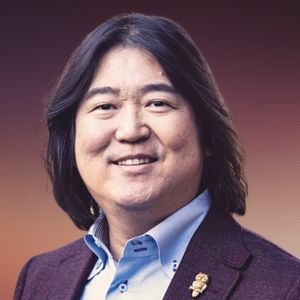
Ken Honda
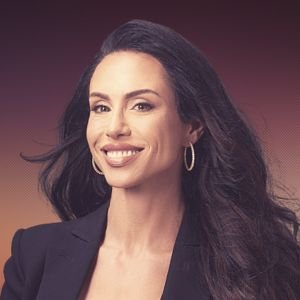
Dr. Gabrielle Lyon

Dandapani
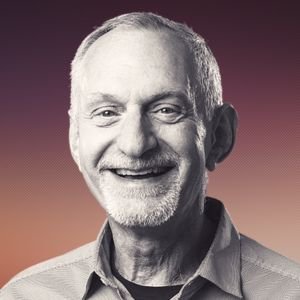
Dr. Robert Waldinger
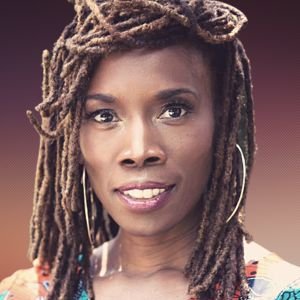
Dr. Thema Bryant

Jordan Harbinger
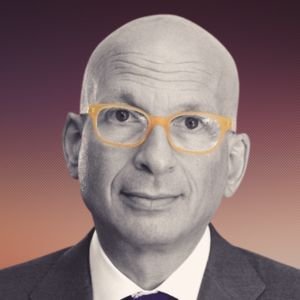
Seth Godin

Lewis Howes

Chalene Johnson
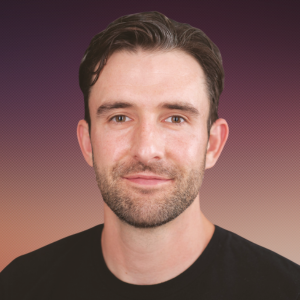
Michael Easter
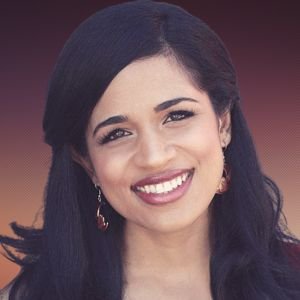
Maya Shankar
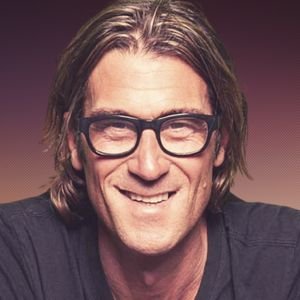
Rich Roll

Marianne Renner
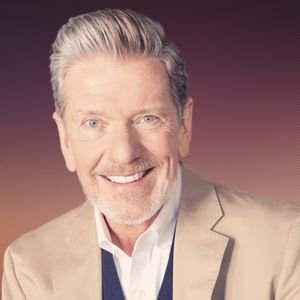
Michael Hyatt

Josh Peck
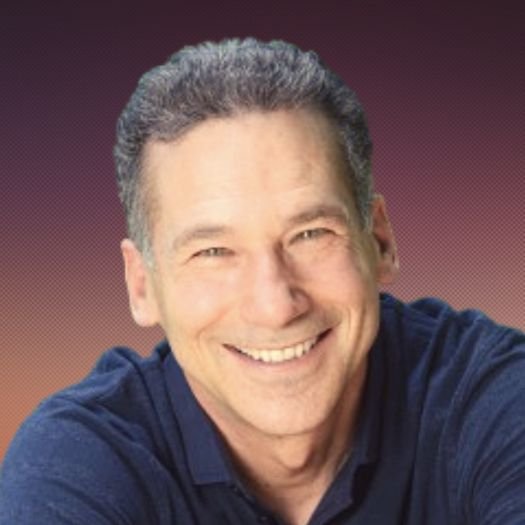
William Ury

Francesca Sipma
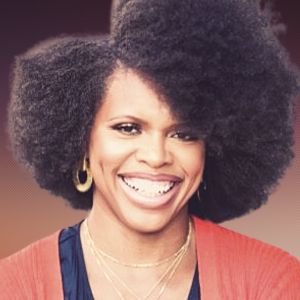
Nedra Glover Tawwab

Patrick Lencioni

Simon Sinek
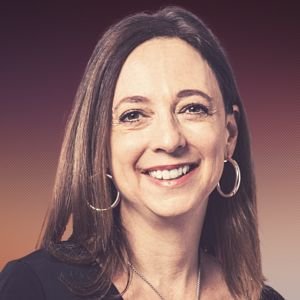
Susan Cain
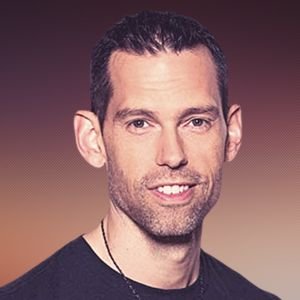
Tom Bilyeu

Heather Monahan

Dr. Neeta Bhushan
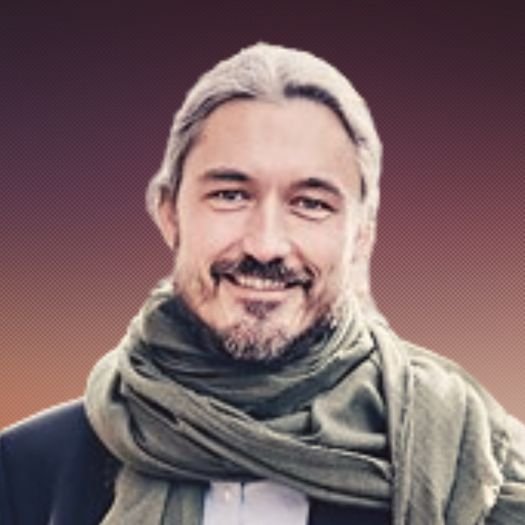
Thomas Hübl
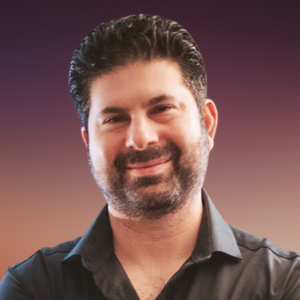
Scott Barry Kaufman