

75M DOWNLOADS
1,700+ Episodes
350+ GUESTS
The Kevin Miller Podcast
The big question - what is the meaning of life?
The great quest - to find meaning in life.
I devoted my life to filling all the roles, pursuing all the achievements, and engaging with all the relationships I thought would provide the greatest meaning to my life.
Only to come to the reckoning that the world doesn't give meaning to my life. I do.
Join me as I discuss how we make meaning from our lives and how we can satisfy ourselves in every moment, regardless of the circumstances.
Kevin Miller began hosting The Ziglar Show in 2014. Kevin quickly took the show from 100k downloads to over 600k per month. In their effort to continue to evolve the show and serve the audience, Kevin and the Ziglar team rebranded the show to “Self Helpful, with Kevin Miller” in 2019. Today, the show has evolved to The Kevin Miller podcast, with over 75M downloads and 350+ guests.

Listen on Your Favorite App




Watch Full Episodes

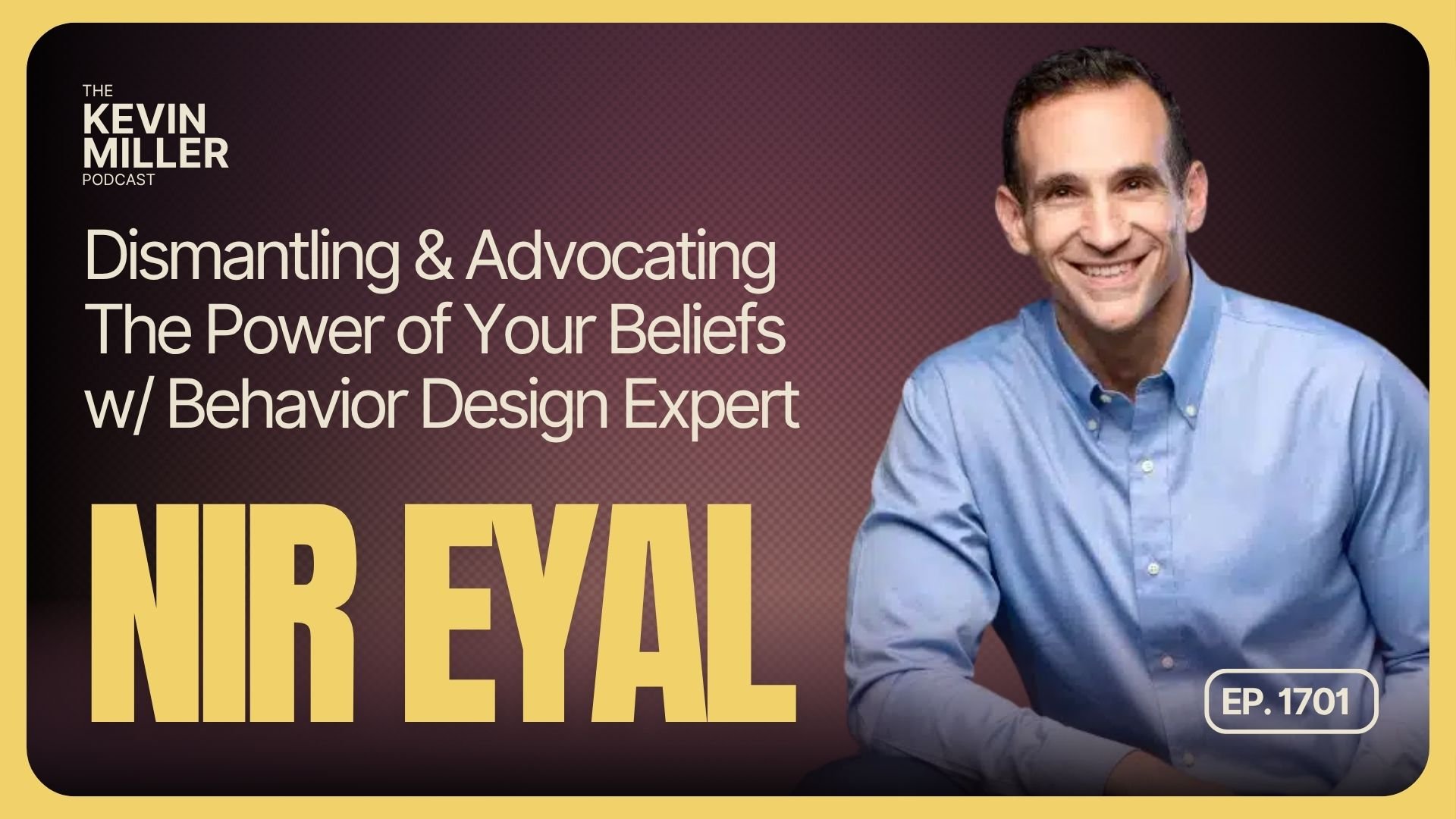
Dismantling & Advocating The Power of Your Beliefs w/ Behavior Design Expert Nir Eyal
Not truths, but theories to consider in regards to yourself and your beliefs and ultimately how your beliefs are guiding your life for better and worse. My guest is Nir Eyal (Near A-yall). Nir consults, and teaches about the intersection of psychology, technology, and human potential. He previously taught at the Stanford Graduate School of Business and is the author of the international bestsellers Hooked, and Indistractible, which have sold over 1 million copies in more than 30 languages. Nir’s research and writing has been featured in The New York Times and Harvard Business Review, and he is a regular contributor to Psychology Today. Nir has a new book, BEYOND BELIEF: The Science-Backed Way to Stop Limiting Yourself and Achieve Breakthrough Results, and I took the opportunity to go head on with our cultural perspective on beliefs. To help you see if you're interested, I'll read some concepts that came from Nir and our talk: Beliefs can be helpful regardless of if they are true. Beliefs are the driver of sustained motivation. But not because they are necessarily true. If you make a triangle with belief on one side and behavior on the other, belief is the foundation underneath. Facts are true whether you believe in them or not. Faith is conviction that doesn't require evidence, and belief is the messy space between fact and faith. We don't agree about what we choose to put our faith in, we argue about whether our faith is true and other's faith is false. A belief is only good if it holds up to real-world feedback, remains open to revision, and doesn’t require ignoring evidence to sustain it. Healthy belief requires intellectual humility. And a couple side items that came up, “All pain is real. And it’s all in your brain.” And, “Your brain isn’t seeing reality - it’s seeing your beliefs about reality.” If this sounds intriguing, stay tuned. You can find Nir’s book, Beyond Belief, anywhere. Connect with him at nirandfar.com
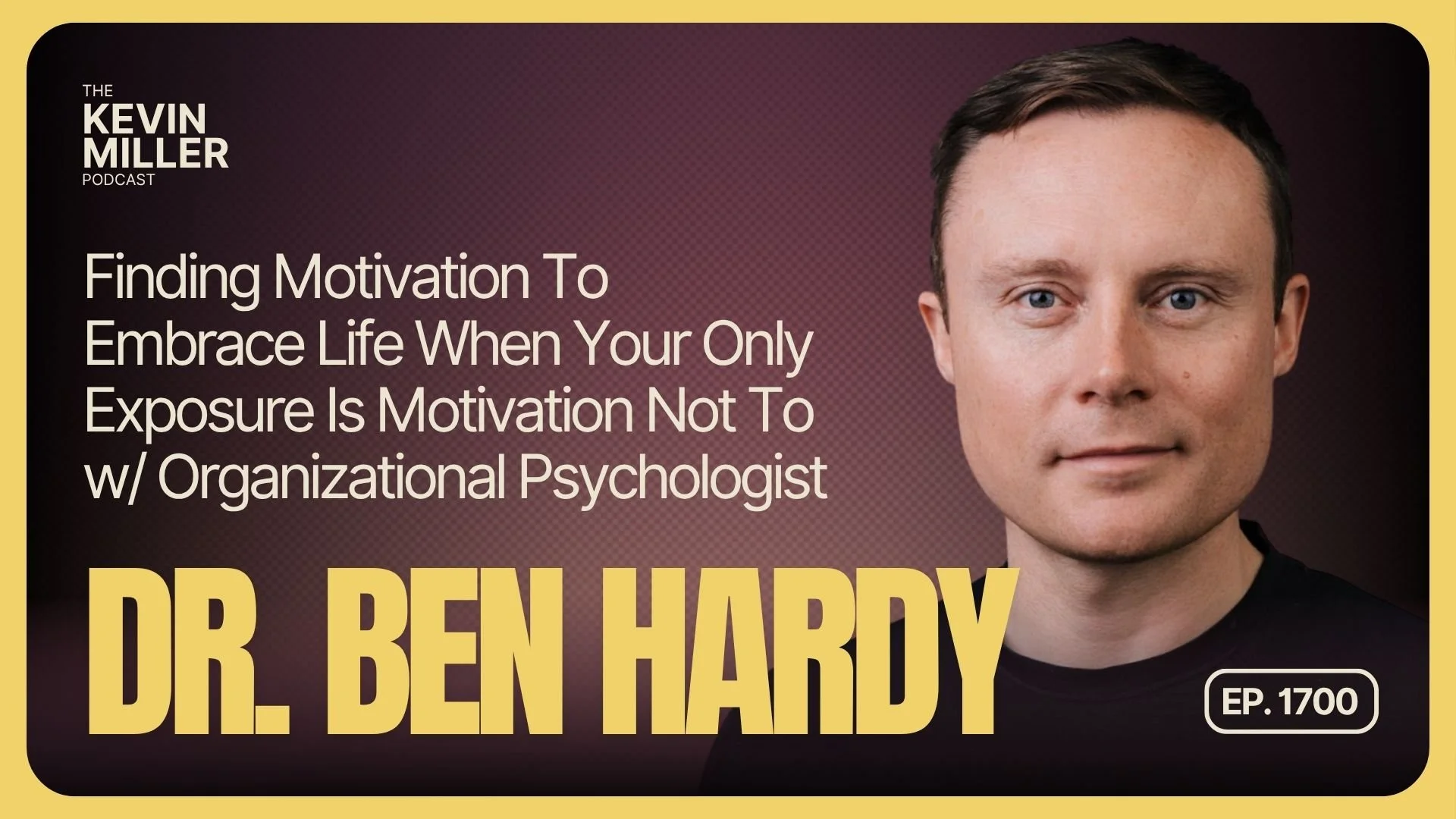
Finding Motivation To Embrace Life When Your Only Exposure Is Motivation Not To w/ Organizational Psychologist Benjamin Hardy
I’m bringing back a conversation that forever changed some foundational beliefs I had on motivation. Dr Benjamin Hardy is a now famous Organizational Psychologist. He’s also now the author of multiple best selling books. I first had him on this podcast for his book, Willpower Doesn’t Work. Then again for his book, Personality Isn’t Permanent. I think he’s been on here four or five times now. But it was during one show that he just touched on a story that I ended up using for the opening story in my book, What Drives You. Ben grew up in what I would call a fairly strict religious construct, where the religion was looked at as the purpose of life. Then he watched his parents divorce, which was antithetical to the religion, and while his mom devoted herself to a sketchy health related business, his dad became a meth addict. Ben couch surfed as a teen, barely made it through high school, and at age 19 found himself playing video games, literally all day, sometimes having to fend off other meth addicts who came to his dad’s apartment. And I hear about this while Ben is on my show with his next bestselling book in the “self-help” category. Meanwhile I had nine kids who I was trying to raise “perfectly” so they’d grow up to…maybe be a renowned psychologist and author making big money with a beautiful family. Like Ben. So following, is the in depth story I was incredibly curious to understand. Find Ben anywhere, just type in Ben Hardy.
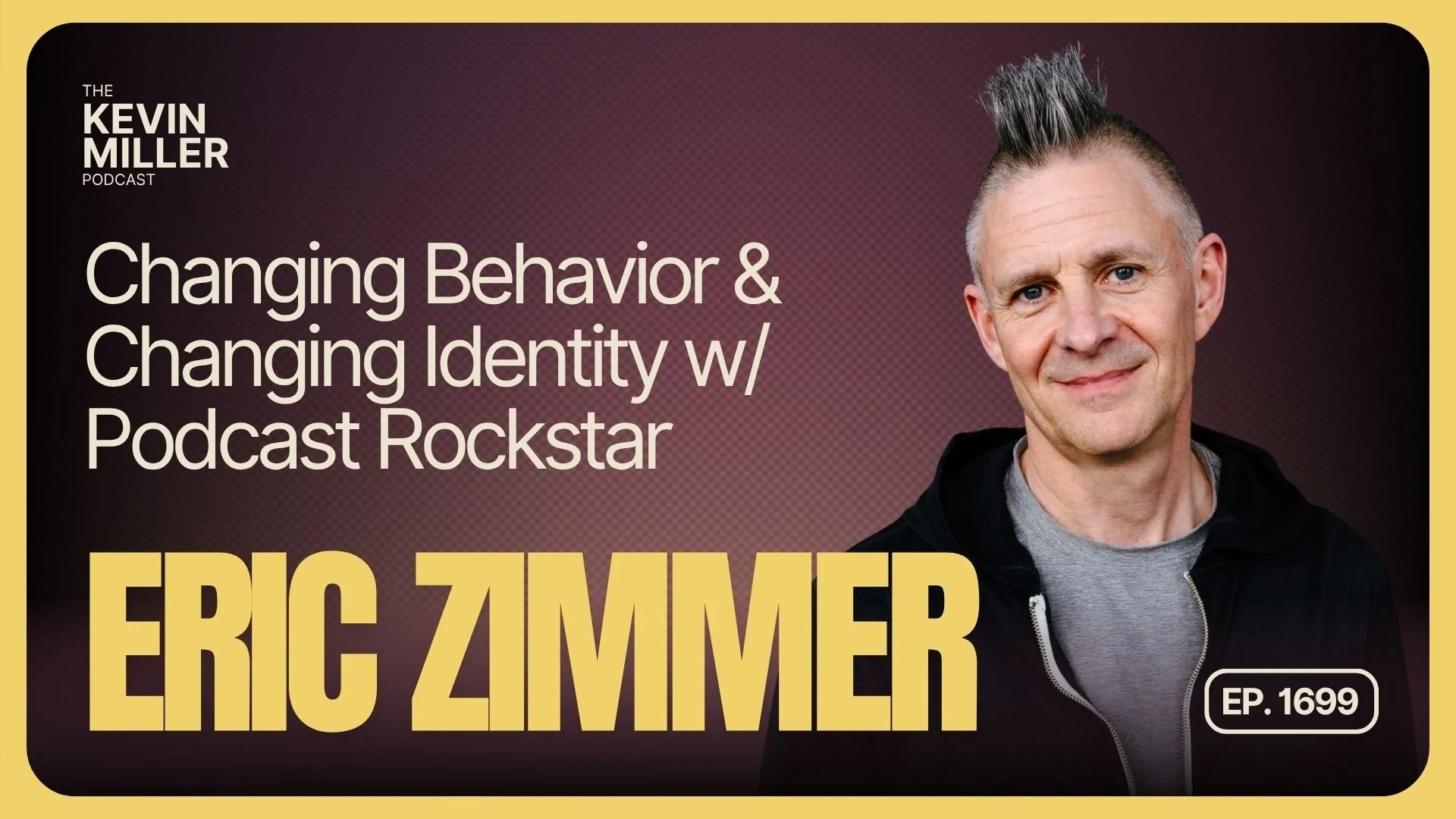
Changing Behavior & Changing Identity w/ Podcast Rockstar Eric Zimmer
More and more in psychology we are hearing about the “end-of-history illusion,” which is a psychological bias where we feel we’ve changed a lot from our past, but we think who we are now is…who we are. We don’t conceive of the almost fact that in five years from now we will look back and be amazed at how much we’ve changed from who we are right now. I want to embrace that and hold more lightly to who I think I am today, and be more open to significant opportunities for change in myself. Right now. My guest in this show has made big change. Eric Zimmer is an author, teacher, speaker, and the creator of The One You Feed podcast—an award-winning show with over 50 million downloads across 800+ conversations exploring meaningful living. At 24, Eric was homeless, addicted to heroin, and facing prison. That was “who he is.” His journey from those depths sparked his lifelong inquiry into human transformation and resilience. He’s seen himself make massive transformation to the core of “who he is,” and now through his podcast he’s talked with hundreds of others who have transformed to significant degrees. Eric has a brand new book out, HOW A LITTLE BECOMES A LOT: The Art of Small Changes for a More Meaningful Life. We talk through some of the concepts here and I think you will gain more confidence and inspiration to your own ability to evolve and not only become more of who you want to be, but find more peace for yourself at all times. Connect with Eric online at theoneyoufeed.net, on Instagram @one_you_feed, and of course just type The One You Feed into your podcast player now to find his hit podcast.
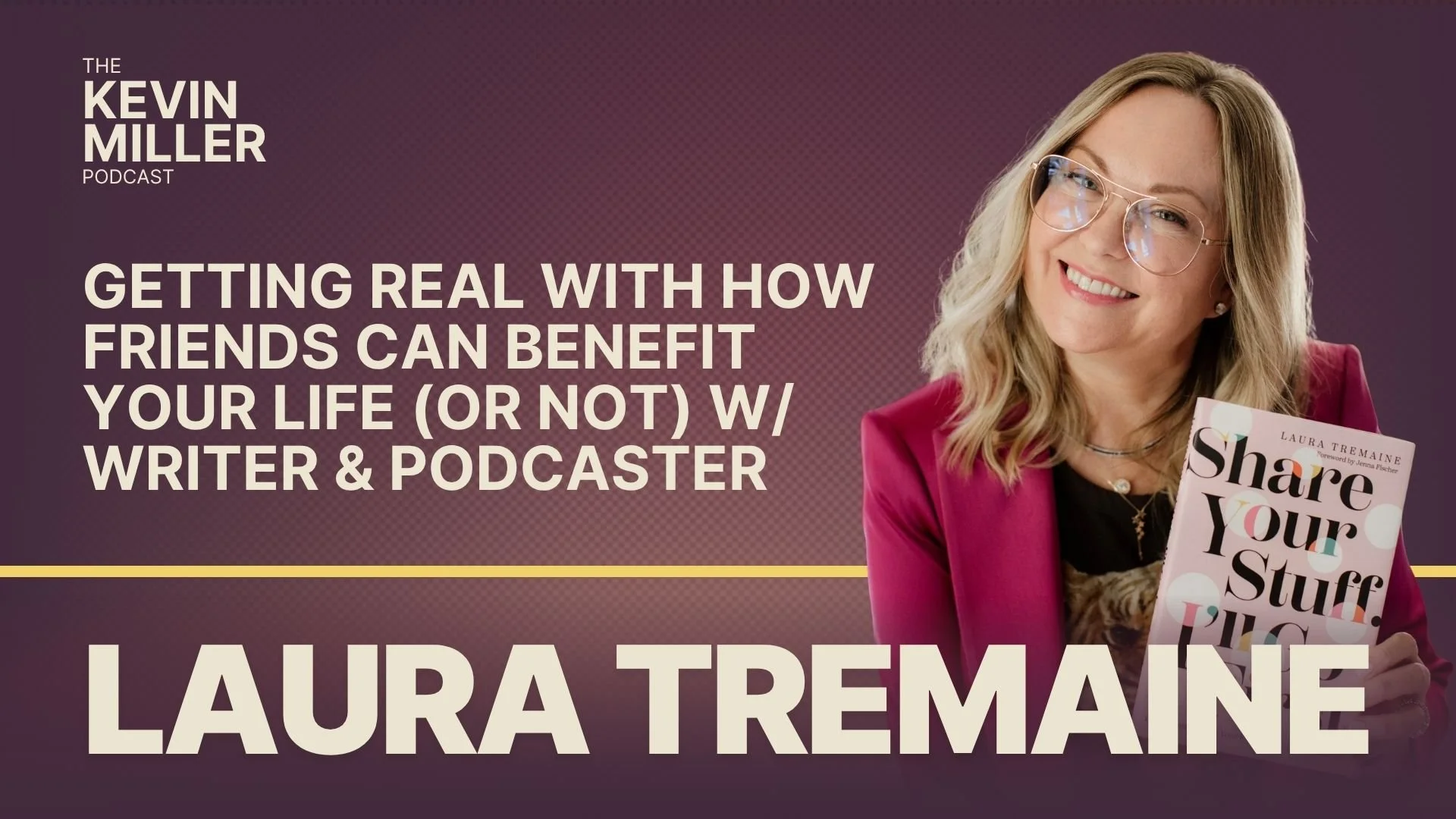
Getting Real With How Friends Can Benefit Your Life (Or Not) w/ Writer & Podcaster Laura Tremaine
Should you have lots of friends or not? Should you have just some really close ones? I think before this question should be an audit of how you view friends to begin with. What is the purpose of a friend? Is a friend a luxury or a necessity? What are the pros and cons? A few years ago a book came across my desk, titled The Life Council: 10 Friends Every Woman Needs. Just the focus on friends caught my attention, and as I started reviewing the book, I felt it was entirely relevant for men and ultimately, anyone. The author, and my guest in this episode, is Laura Tremaine. I thoroughly appreciated her perspectives on friendships. Some highlights for me was her looking at having multiple friends, for multiple purposes. She actually has 11 chapters for 11 types of friendships. I found that I’d fulfilled some, had some missing that I wanted, and there were some slots I didn’t care to fill. Something else I interested myself with is Laura saying her husband is not her best friend. She had her best friend long before him and he didn’t replace her. But she counts her husband as her most important friend. I’ve never forgotten this conversation and continue to help myself with how I reoriented my perspective on friendships every since. You can find Laura on your podcast platform, she has a very popular podcast called, 10 Things To Tell You where she speaks primarily to women about friendship, anxiety, motherhood, and marriage.
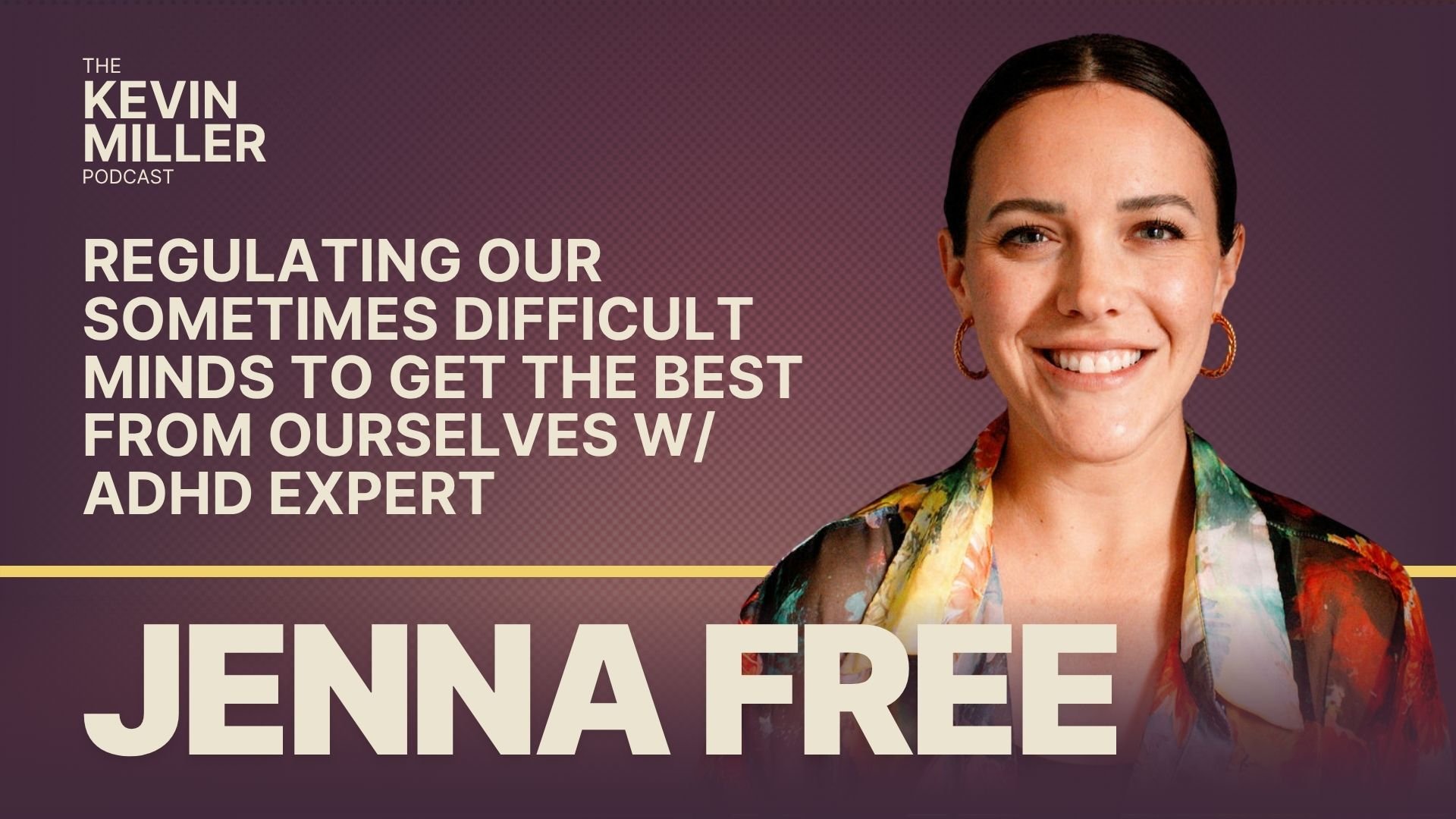
Regulating Our Sometimes Difficult Minds To Get The Best From Ourselves w/ ADHD Expert Jenna Free
My best friend Randy, a medical doctor, frustrates himself with all the pathologies that we refer to as having, or not. Such as diabetes, depression, or auto immune issues. He says we are all on the spectrum to a degree, the issue is whether you tip over into a clinical level where you need acute treatment. In this show I'm looking at ADHD the same way. I have a daughter finishing grad school in psychology who believes I'm fairly high on the ADHD scale, but I've found constructive ways to manage and function. When a new book came across my desk I decided to take the opportunity to understand ADHD better and moreso, hear ideas on how to function and manage better regardless of where you may fall on the ADHD scale. My guest is Jenna Free. Jenna is a counselor for ADHD with ADHD. She specializes in working with the ADHD brain to get it out of fight-or-flight and into working its best, while honoring neurodivergence and all of our uniqueness. She has a focus on making ADHDers lives more enjoyable while also being more productive. She works with clients through her program ADHD Regulation Groups and teaches other mental health professionals the ADHD Regulation Method in her Certification program. The new book is, THE SIMPLE GUIDE TO ADHD REGULATION: The Secret to Finding Balance, Getting Things Done, and Enjoying Your Life. She has a large following on IG @adhdwithjennafree
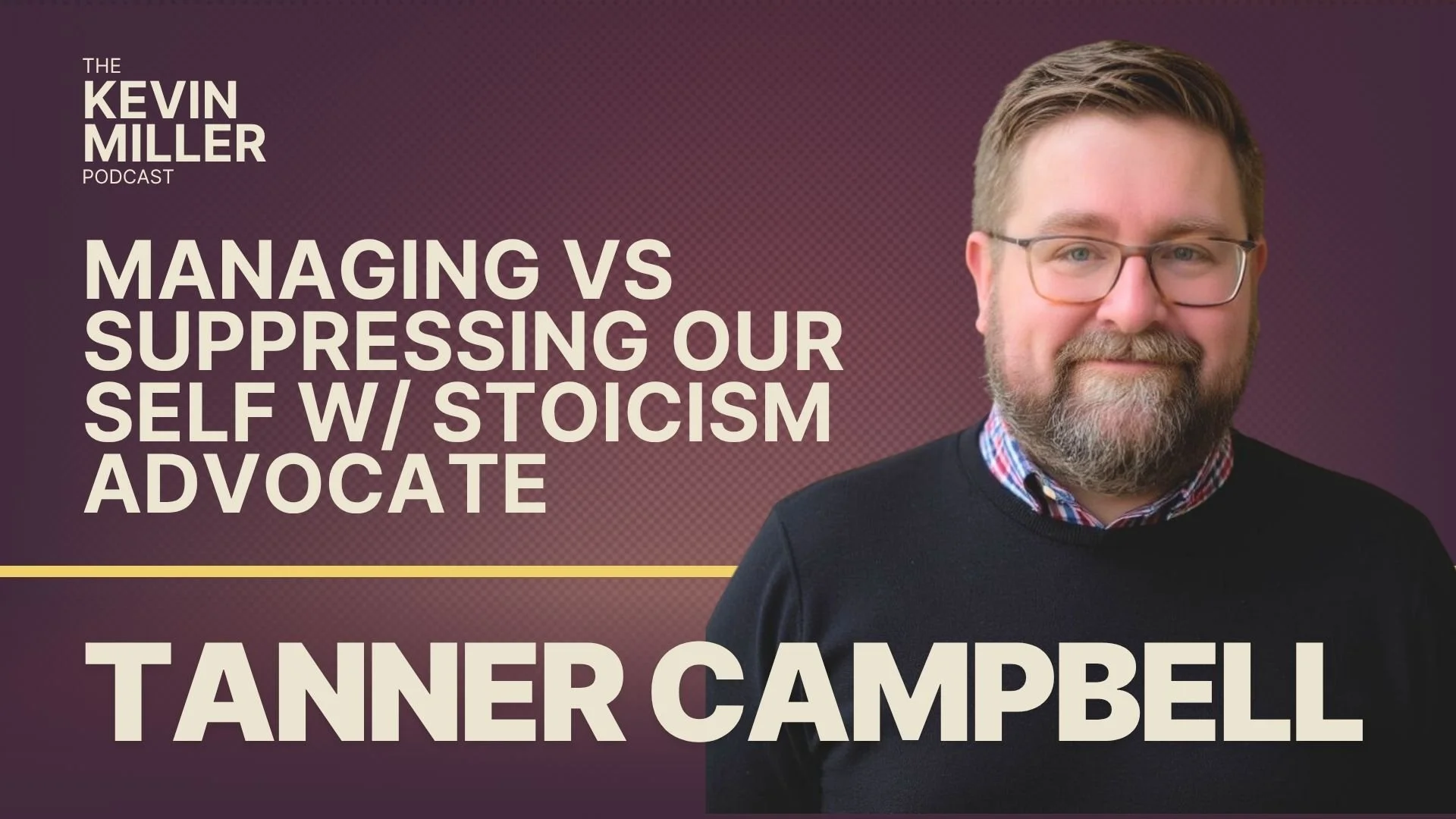
Managing vs Suppressing Our Self w/ Stoicism Advocate Tanner Campbell
Stoicism has gotten much attention in recent years, making a comeback from the old school Stoicism, commonly criticized for promoting emotional suppression, fostering passivity in the face of injustice, and being psychologically unrealistic. Modern day focus has upheld the stoic traits that focus on cultivating inner peace and resilience through virtue, rationality, and acceptance of what cannot be controlled. Psychology models more and more these days are calling to the need for personal agency, and stoicism is a leading model for taking responsibility for our perceptions, values, and held beliefs in life. I appreciate seeing new personalities and perspectives come to the forefront of worthy initiatives, and in stoicism, Tanner Campbell has brought a fresh take to the concept. Tanner is an American philosopher of Stoicism whose goal is to clear up contemporary miscommunications about Stoicism, with a focus to uphold what virtue really is against the traditional interpretation of Stoicism, challenging the, as he says, “watered down Silicon Valley take on Stoicism.” A few years ago Tanner launched a podcast called, Practical Stoicism, that went relatively viral and quickly eclipsed 500,000 downloads per month. Which is to say the show did in months many of us podcasters took years to attain. Find Practical Stoicism wherever you listen to podcasts and Tanner also has a book out now, titled, What Is Stoicism?: A Brief and Accessible Overview.
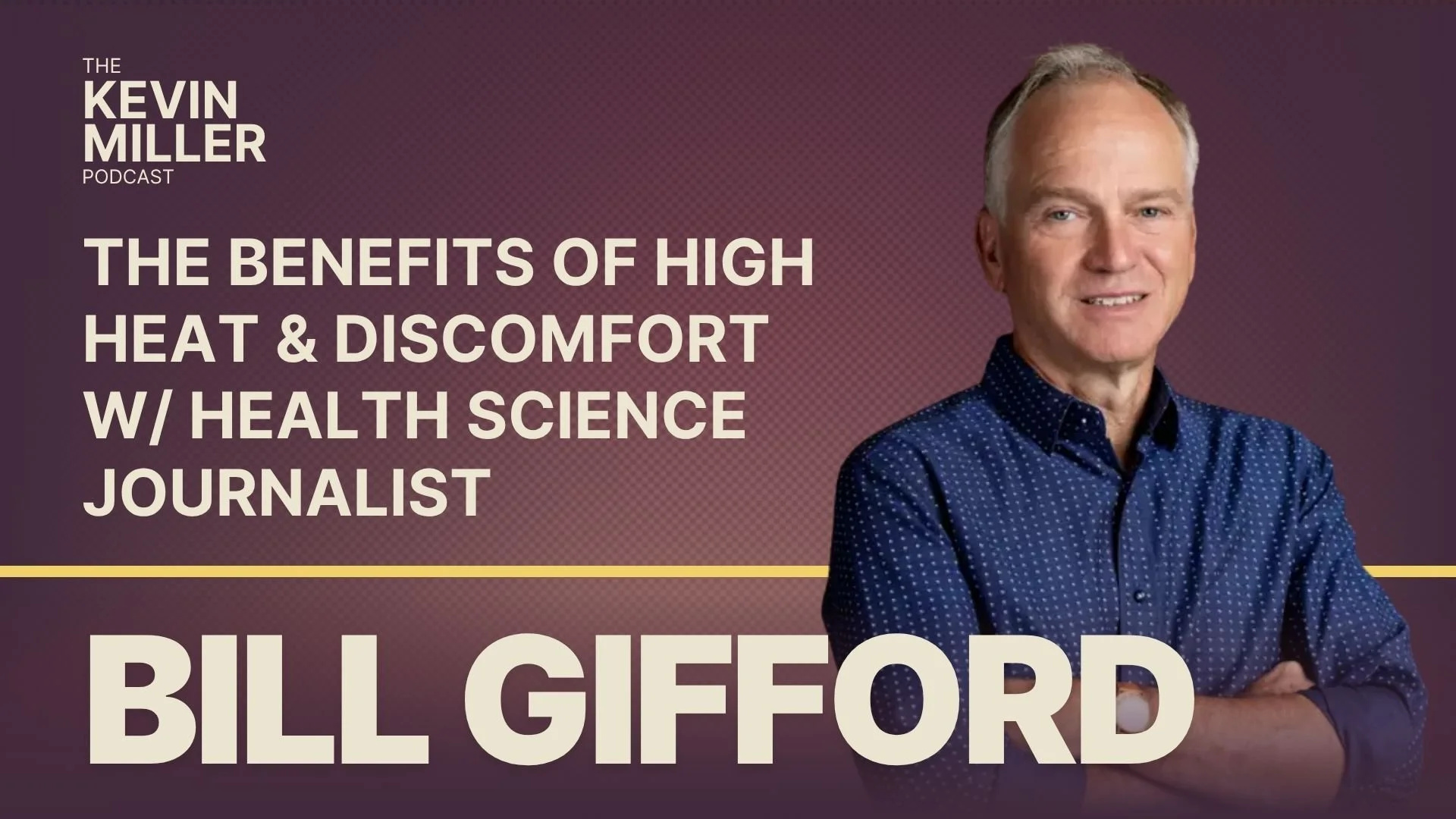
The Benefits of High Heat & Discomfort w/ Health Science Journalist Bill Gifford
When a book came across my desk about the benefits of heat, my first thought was, “Really?” We’ve been in the age of cold plunges for quite a while, but now it’s heat? I also wondered, does it take an entire book to explain this? Then I saw the author was Bill Gifford. Bill is a veteran magazine writer and editor who writes about extraordinary athletes and cutting-edge health science. He is coauthor of the #1 New York Times bestseller, Outlive, which has sold more than two million copies, as well as the New York Times bestseller Spring Chicken: Stay Young Forever (Or Die Trying). He is a longtime contributing editor at Outside, and his work has appeared in Wired, Bloomberg Businessweek, Men’s Health, Bicycling, The Washington Post, and others, as well as in Best American Sportswriting. This latest book is called HOTWIRED: How the Hidden Power of Heat Makes Us Stronger, and in it he does like all the great journalist and shares his personal journey in experiencing heat therapy. What I initially intrigued myself with was Bill’s look into history where we routinely experienced long periods of high heat and air conditioning wasn’t normal until the 1950s and 1960s. We always had fire and the ability to heat up an environment, but when it was hot, for the span of our existence, we adapted to it. We discuss the issues around our seeming inability to deal with any discomfort, and how fragile we seem to be becoming in our culture. So while we can exist in temperature controlled environments almost entirely, and it may be comfortable, is this existence best for our overall health and well-being?
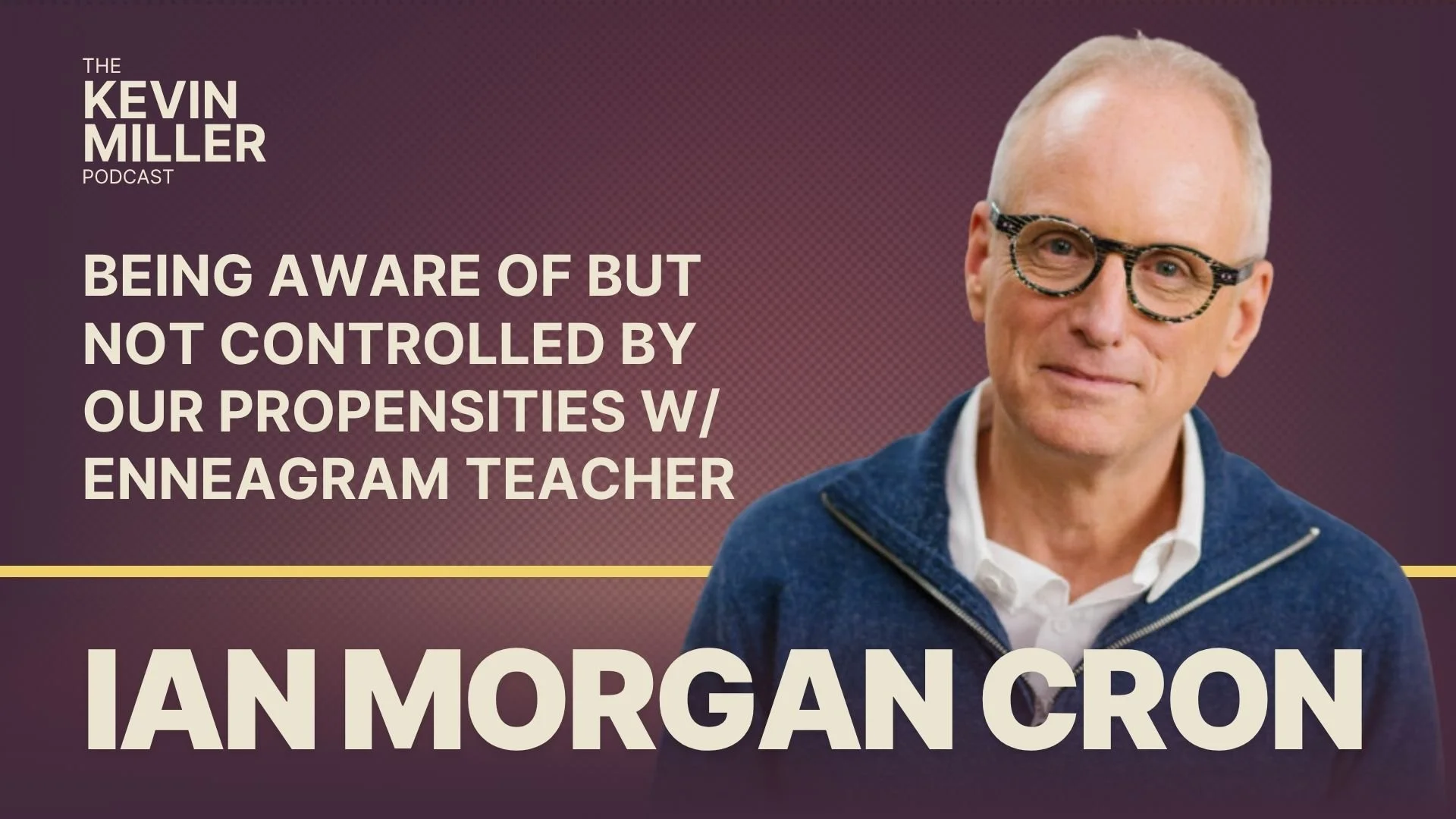
Being Aware of But Not Controlled By Our Propensities w/ Enneagram Teacher Ian Morgan Cron
I grew up believing we are only who we make ourselves to be. Nature vs Nurture and I was all about nurture. Then, I had seven biological children. Four boys and three girls. And they came out of the womb with specific propensities. Two of my sons are only 15 months apart, so their upbringing was nearly identical. And they could not be more different. As a culture we have gotten pretty enamored with personality profiles and ancestral data to help us “know who we are.” A well known profile is the Enneagram. My guest in this episode is Ian Morgan Cron. Ian is a Wall Street Journal bestselling author, psychotherapist, and Enneagram teacher. He has a very popular podcast called Typology where he discusses aspects of the Enneagram. In this episode we talk about our personality and our propensities and reference one of Ian’s book, The Story of You: An Enneagram Journey to Becoming Your True Self. My interest was in honoring aspects of our natural selves while not being controlled by them. I’ll admit as time goes on I’m less clear on what about myself is natural and what is learned, and I actually don’t put too much stock in either, instead looking at what is giving me peace or not, and what is proving constructive to my life and others. You can connect with Ian at his website, typologyinstitute.com, and find him at his podcast, Typology.
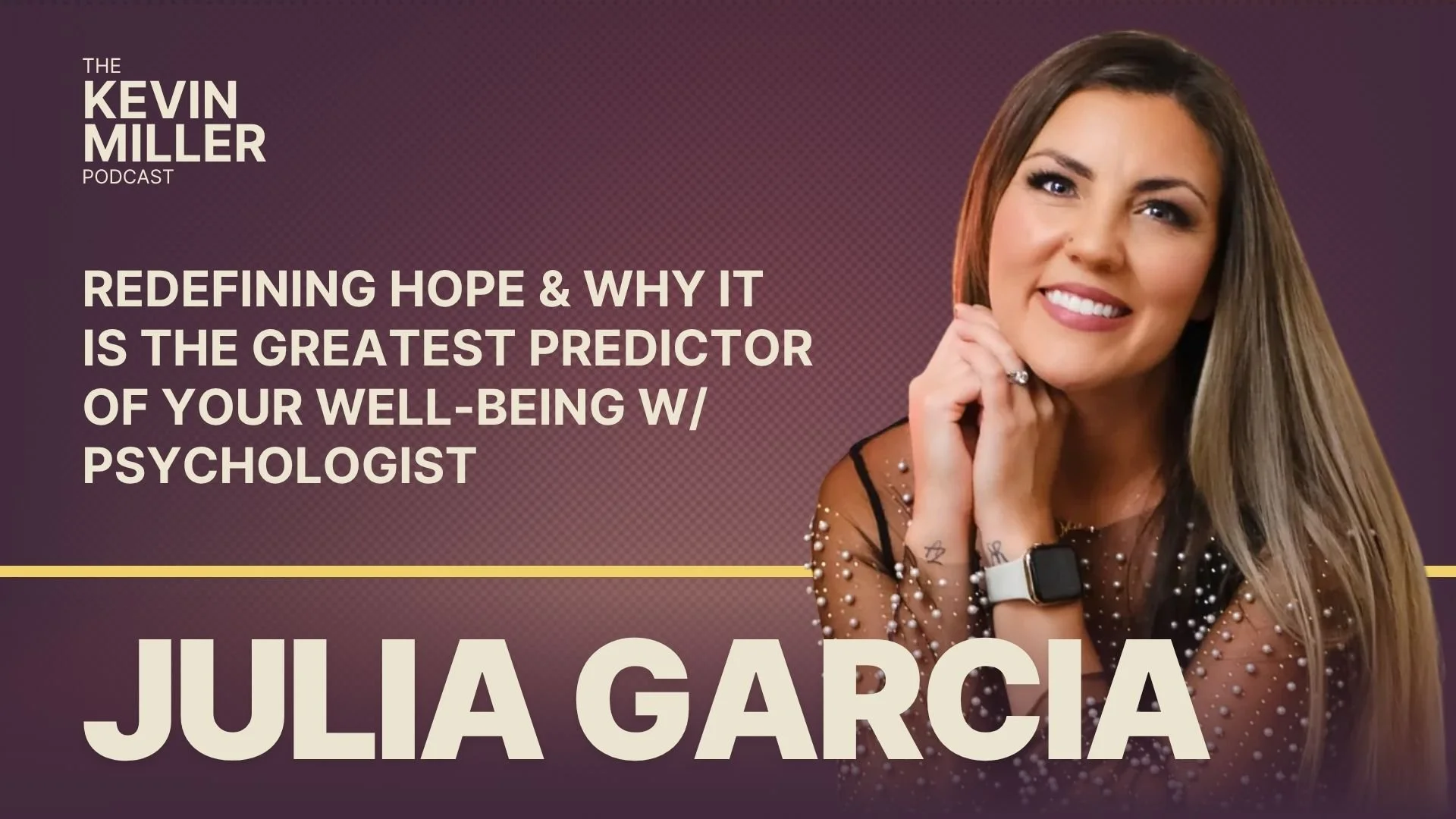
Redefining Hope & Why It Is The Greatest Predictor of Your Well-Being w/ Psychologist Julia Garcia
I think we’ve gotten to the point of defining hope as the expectation of something good happening in the future. But I’ve not found many, if any, people who I’d refer to as hopeful, who didn’t exude hope in the right here and now. A primary definition of hope is simply, a feeling of trust. My guest in this episode says, “Hope is the single best predictor of well-being compared to any other measure of trauma recovery.” So if hope includes having trust, then it’s relevant for us all to consider how trusting we feel in our lives. Not just in other people, but in life in general. My guest is Dr. Julia Garcia. Julia is a psychologist and author dedicated to empowering people through the science of mental health. Julia works with people facing life’s toughest moments—helping them overcome fear, doubt, and hopelessness to build lasting habits of healing and hope. She says her mission is to prove that hope isn’t just something you feel—it’s something you practice, one habit at a time. I find hope, trust, in short supply in our culture. And yet I find my own hope in the miracle of living, a constant fuel for my own peace and joy. Julia has written a book on her work, The 5 Habits of Hope: Stories and Strategies to Help You Find Your Way. We start off talking about the cultural concepts around hope, and then walk and talk through her five habits of hope.
Kevin’s Substack Blog
Get vignettes of insight Kevin receives from podcast guests and his own studies

Featured Guests
We're honored to have some spectacular guest conversations.
Too many to list. But here are a few that stood out.
Arthur Brooks

Dr. Will Cole

Dan Harris
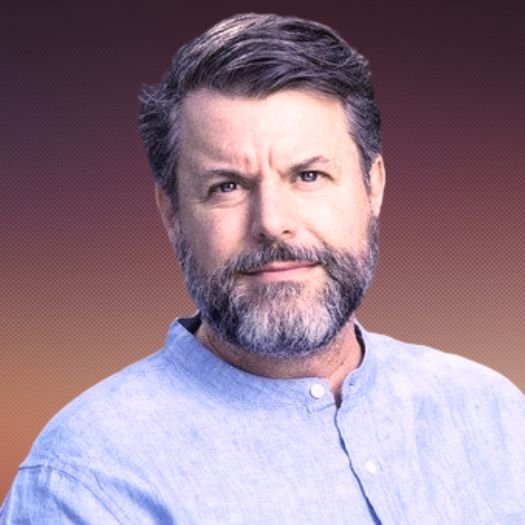
Charles Duhigg
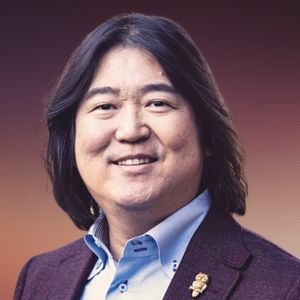
Ken Honda

Dr. Gabrielle Lyon

Dandapani
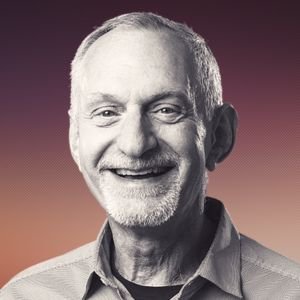
Dr. Robert Waldinger
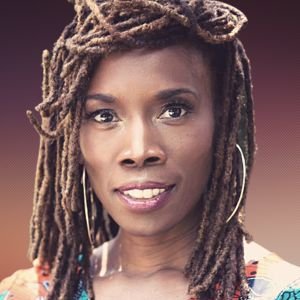
Dr. Thema Bryant
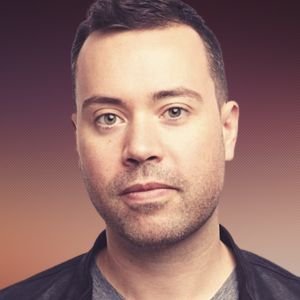
Jordan Harbinger
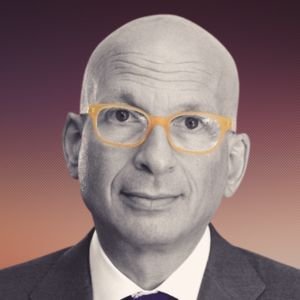
Seth Godin

Lewis Howes

Chalene Johnson
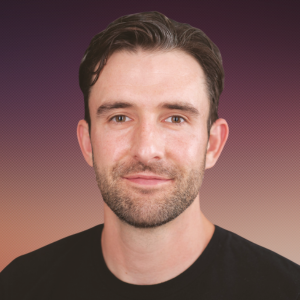
Michael Easter
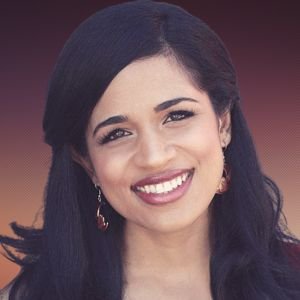
Maya Shankar

Rich Roll

Marianne Renner

Michael Hyatt

Josh Peck
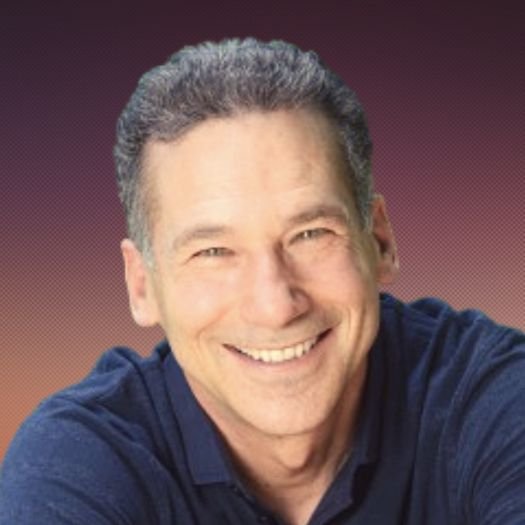
William Ury

Francesca Sipma
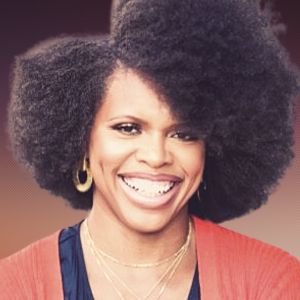
Nedra Glover Tawwab

Patrick Lencioni
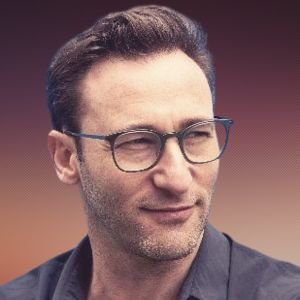
Simon Sinek

Susan Cain
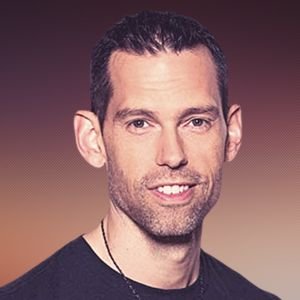
Tom Bilyeu

Heather Monahan

Dr. Neeta Bhushan

Thomas Hübl
Scott Barry Kaufman