

75M DOWNLOADS
1,700+ Episodes
350+ GUESTS
The Kevin Miller Podcast
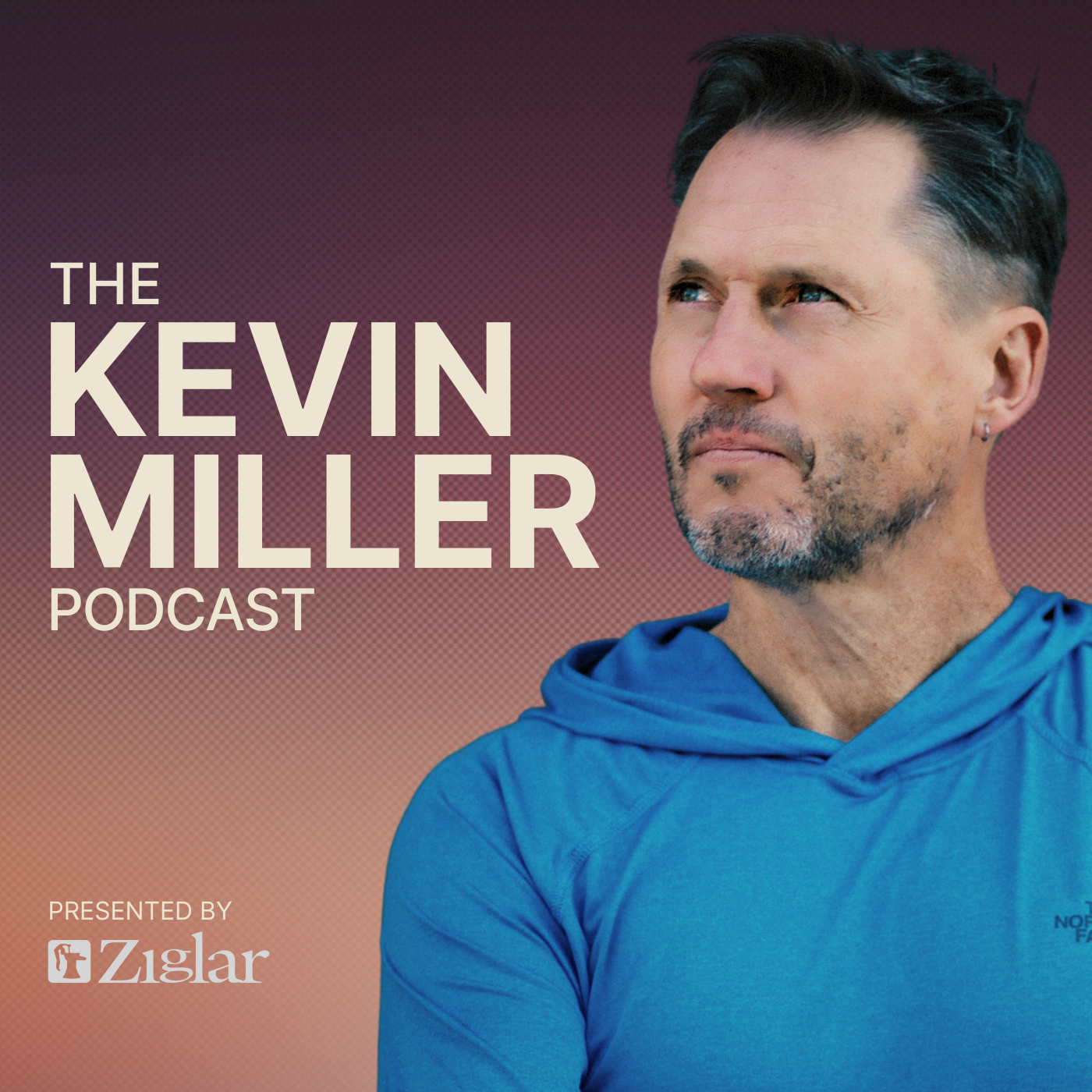
The big question - what is the meaning of life?
The great quest - to find meaning in life.
I devoted my life to filling all the roles, pursuing all the achievements, and engaging with all the relationships I thought would provide the greatest meaning to my life.
Only to come to the reckoning that the world doesn't give meaning to my life. I do.
Join me as I discuss how we make meaning from our lives and how we can satisfy ourselves in every moment, regardless of the circumstances.
Kevin Miller began hosting The Ziglar Show in 2014. Kevin quickly took the show from 100k downloads to over 600k per month. In their effort to continue to evolve the show and serve the audience, Kevin and the Ziglar team rebranded the show to “Self Helpful, with Kevin Miller” in 2019. Today, the show has evolved to The Kevin Miller podcast, with over 75M downloads and 350+ guests.

Listen on Your Favorite App




Watch Full Episodes

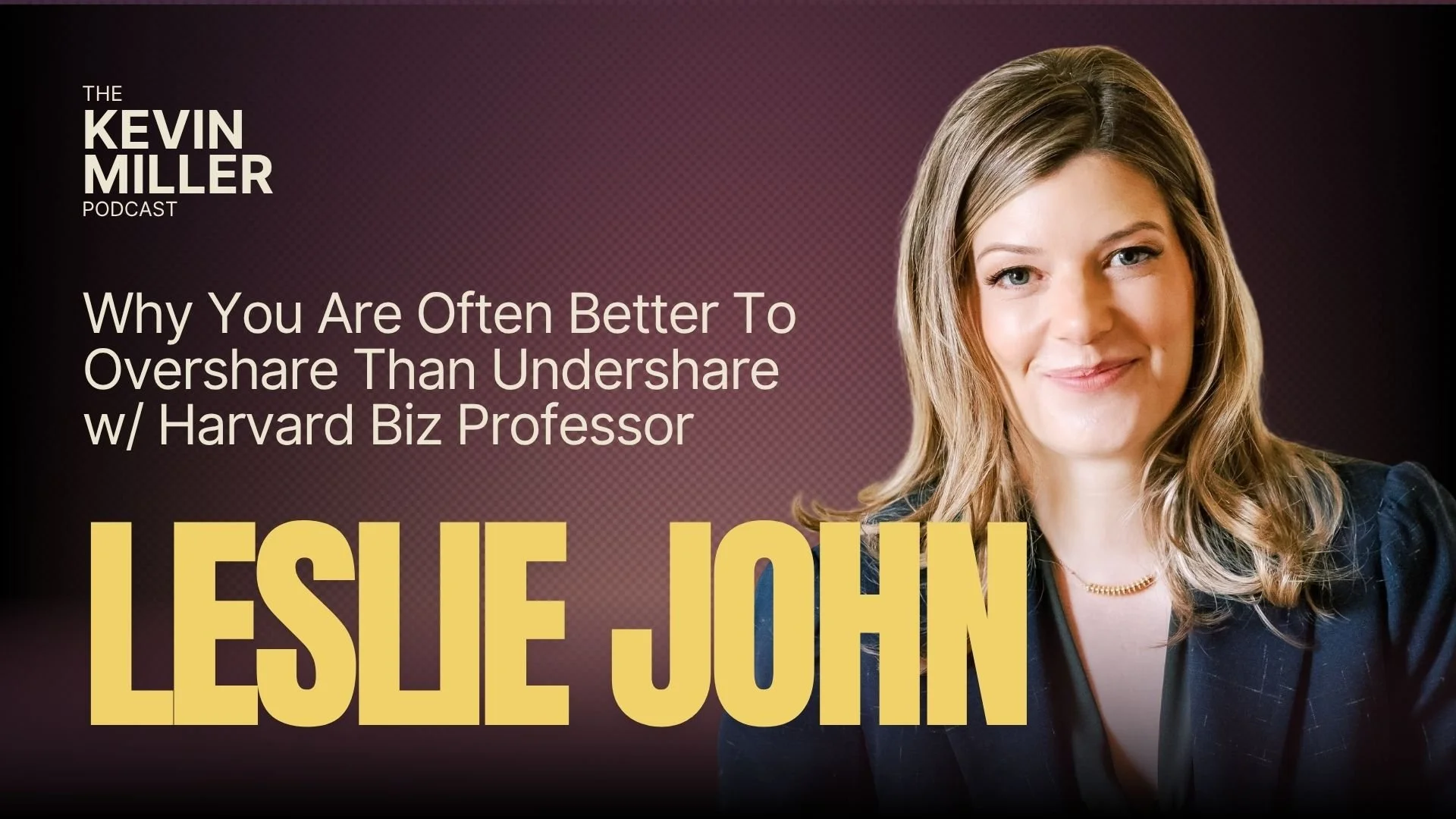
Why You Are Often Better To Overshare Than Undershare w/ Harvard Biz Professor Leslie John
I’m going to assume you are aware that we are at a time when, even though we are often in communication with more people than ever, quantity wise, we are statistically connecting with fewer people than ever. The stats on loneliness and isolation are at equal or all time highs. I have been giving focus to how we connect, but a key issue is what we are connecting with. Meaning, what are we sharing with other people? My guest in this episode is Leslie John, the James E. Burke Professor of Business Administration at the Harvard Business School. Her award-winning research appears in top academic journals and media including The New York Times, The Wall Street Journal, and The Economist. She has taken her research direct from her teaching at Harvard and is giving it to us in her new book, REVEALING: The Underrated Power of Oversharing. So right there, oversharing. It’s easy to look at social media and feel everyone is literally, oversharing. But set that aside, here we are talking about your personal relationships. In your home, at work, with friends and family. In these instances, Leslie is finding that we are for the most part, undersharing. We aren’t being open and honest with people. Authentic is a popular word these days. So of course her call is for us to share more deeply and honestly. Now are we to do this with everyone, everywhere, all the time? Of course not. But where we care and where it counts, I’ll ask you, do you want to connect more deeply? Do you want to feel more resonance with people you care about? This is the show.
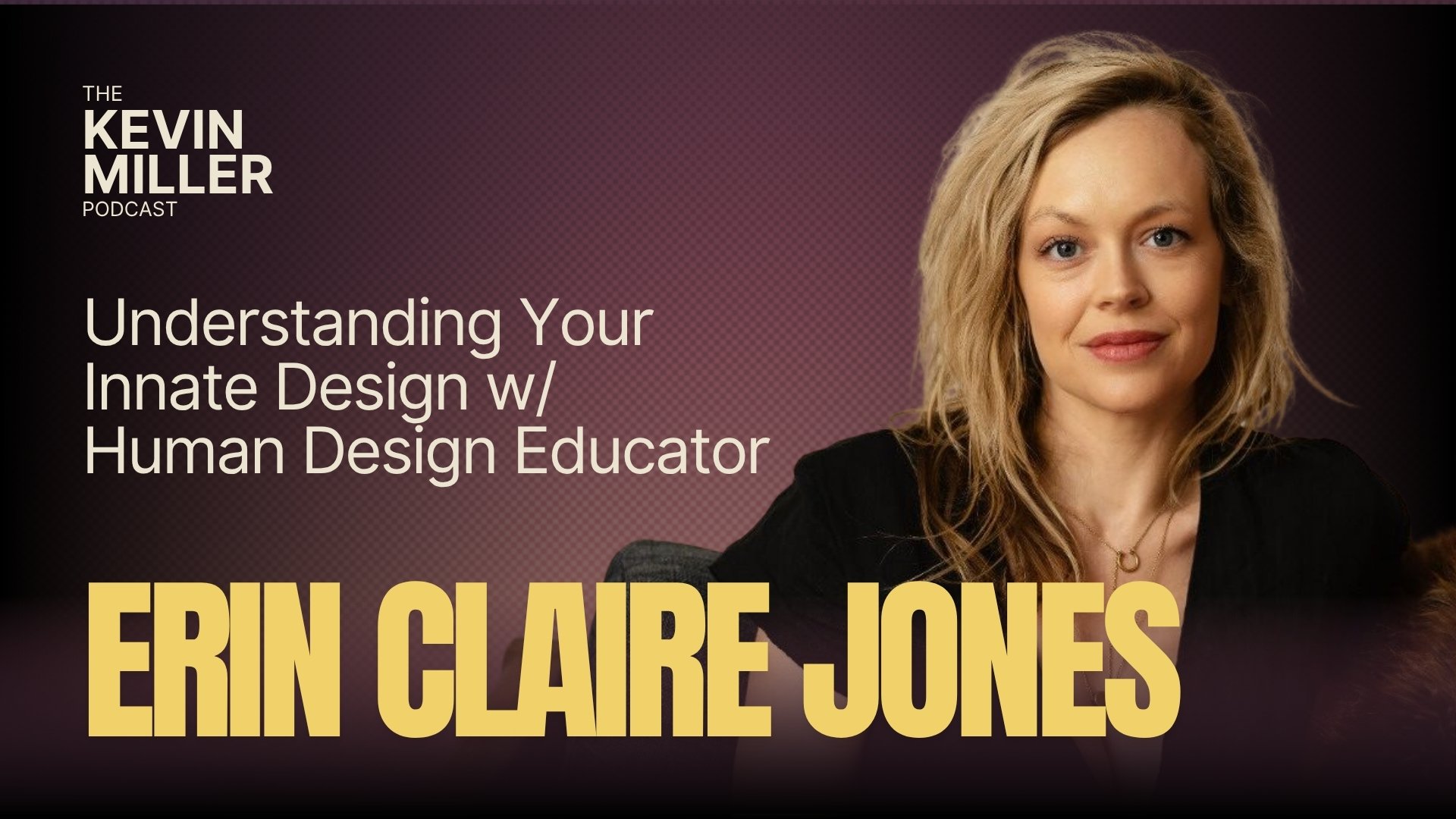
Understanding Your Innate Design w/ Human Design Educator Erin Claire Jones
I appreciate personality profiles that help us better clarify some of the what and why we tend towards certain propensities and predispositions. However, I don’t like that people sometimes use them as an excuse for how they are. And, I don’t like that they are self-reporting. We can easily grapple with answers that vacillate between how we believe ourselves to be and how we want to see ourselves, and still miss how we actually are. So when I was introduced to the concept of human design, I intrigued myself. After I repelled myself. I was at an event with former broadway star and now communications expert, Renée Marino, and she said I just had to try something called the Human Design Blueprint. It’s based on your date of birth, time of birth, and birth location. That’s it. If it were not for Renée’s insistence, I would have never done it. But I did. I did a free version at humandesignblueprint.com. I impressed myself enough that I paid for the upgraded version. And…wow. Then, two weeks later I was contacted by an agency to see if I wanted the founder, Erin Claire Jones, on this podcast. Coincidence? I was still leery enough I did a pre-call with Erin. And I found her…lovely. I resonated immediately. So following is the deep dive conversation with Erin on Human Design. For those of you who struggle, as I did, with something being able to give insight into who and how you are, simply from your date of birth, time, and location, for me as someone who believes in a higher power, I considered if God could have created me to be born at a specific time and place and location and giving meaning to those specifics. I am ok accepting that. But as Erin says in our upcoming conversation, if I found benefit from the report, does it have to matter how it was derived? I decided, no. I’ve now had many of my friends and family get their own Human Design Blueprint, and continue to find great, great value. If you find yourself interested, you can go get a free version at humandesignblueprint.com. And not that it matters, but I don’t get a dime of any sales if you upgrade. Since this initial conversation, Erin has written a book and I had her back on the show. I’ll share that episode again at some point as well.
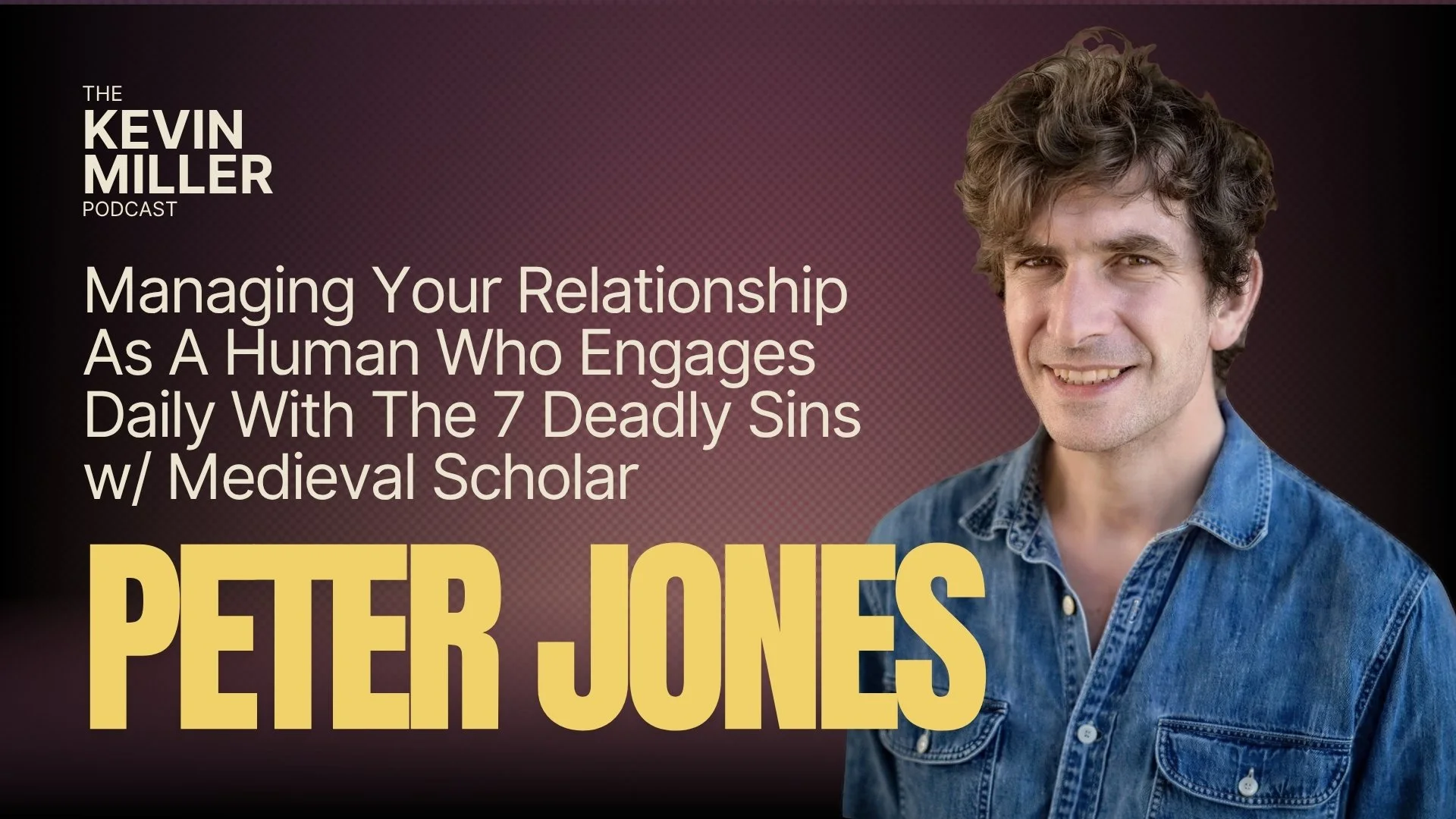
Managing Your Relationship As A Human Who Engages Daily With The 7 Deadly Sins w/ Medieval Scholar Peter Jones
When I first laid eyes on a book with the title, SELF-HELP FROM THE MIDDLE AGES: What the Seven Deadly Sins Can Teach Us About Living, I interested myself. Even more when I found out the author is an expert in medieval times. Peter Jones is a writer and academic specializing in the history of the human heart. Over his career he has taught at New York University, the University of Toronto, University College London, Complutense University of Madrid, and School of Advanced Studies in Tyumen, Siberia, where he helped put History at the centre of the liberal arts curriculum. But this book is about something that started in the 1300s when I’ve now learned that the ultimate level of high education was theology with a focus to “create self-aware citizens” and the most prized roles had job descriptions that involved analyzing the triggers of temptation and desire, giving lectures on fear and doubt, and healing the anxieties of people in crisis. Sounds like what we need, now. Thus why I did this show. I thoroughly enjoyed and benefited from this conversation with Pete and learned how I can have a better relationship with these 7 Deadly Sins, which the originator described as, “generic thoughts,” or in essence, human impulses, which include: 1) Pride - vanity, 2) Envy, 3) Anger, 4) Sloth, 5) Avarice - Greed, 6) Gluttony, 7) Lust. Which you are about to find out are seen as aspects of being a human, and the point is not whether we engage with them. We do. It’s what our relationship is with each. Or rather, how our relationship is with each.
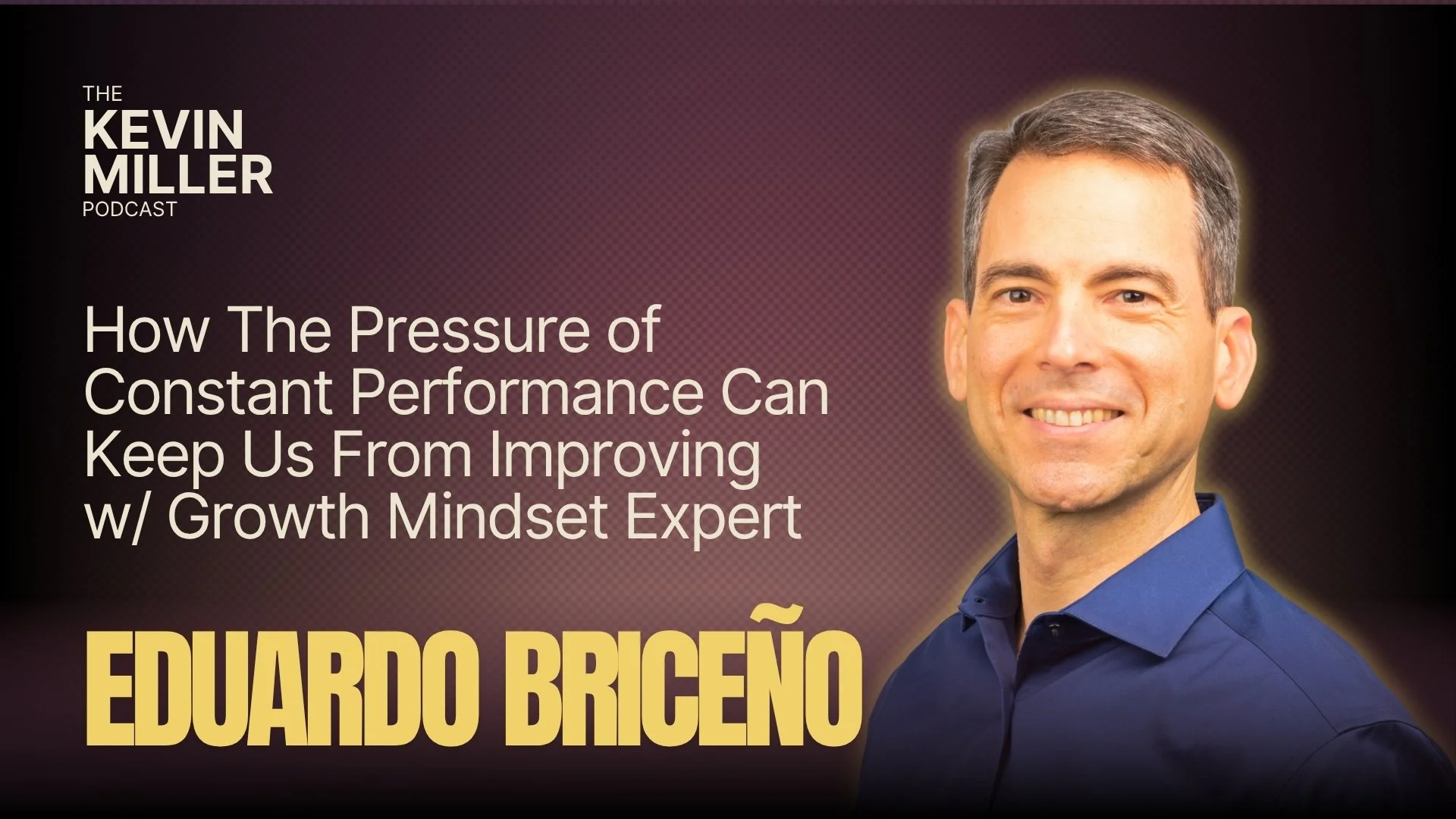
How The Pressure of Constant Performance Can Keep Us From Improving w/ Growth Mindset Expert Eduardo Briceño
I really appreciate finding commonplace practices that are leading us astray…that we can alter immediately. Imagine an olympic athlete that performed year round. They are always either prepping or recovering for the next event. Their performance would stall. Elite athletes count on having a season of performance, then a season of training. Training. Where they learn new techniques and try new things to raise them up another level. In the workplace and often in our lives, we get stuck in the rut of performing, day after day. In our roles as a spouse or parent, in our work, and even in our hobbies and interests. When do we stop and…engage in training to help us actually get better? I really helped myself with this concept as I realized how stuck I was in some roles of my life, just churning out the same performance day in and day out and plateaued. So I’m revisiting this episode with my expert on this concept, Stanford-trained mindset expert Eduardo Briceño. Eduardo is the author of The Performance Paradox: Turning The Power of Mindset Into Action. He is co-founder of Mindset Works with renowned Stanford psychologist and known as a founder of growth mindset work, Carol Dweck. You can find Eduardo at briceno.com
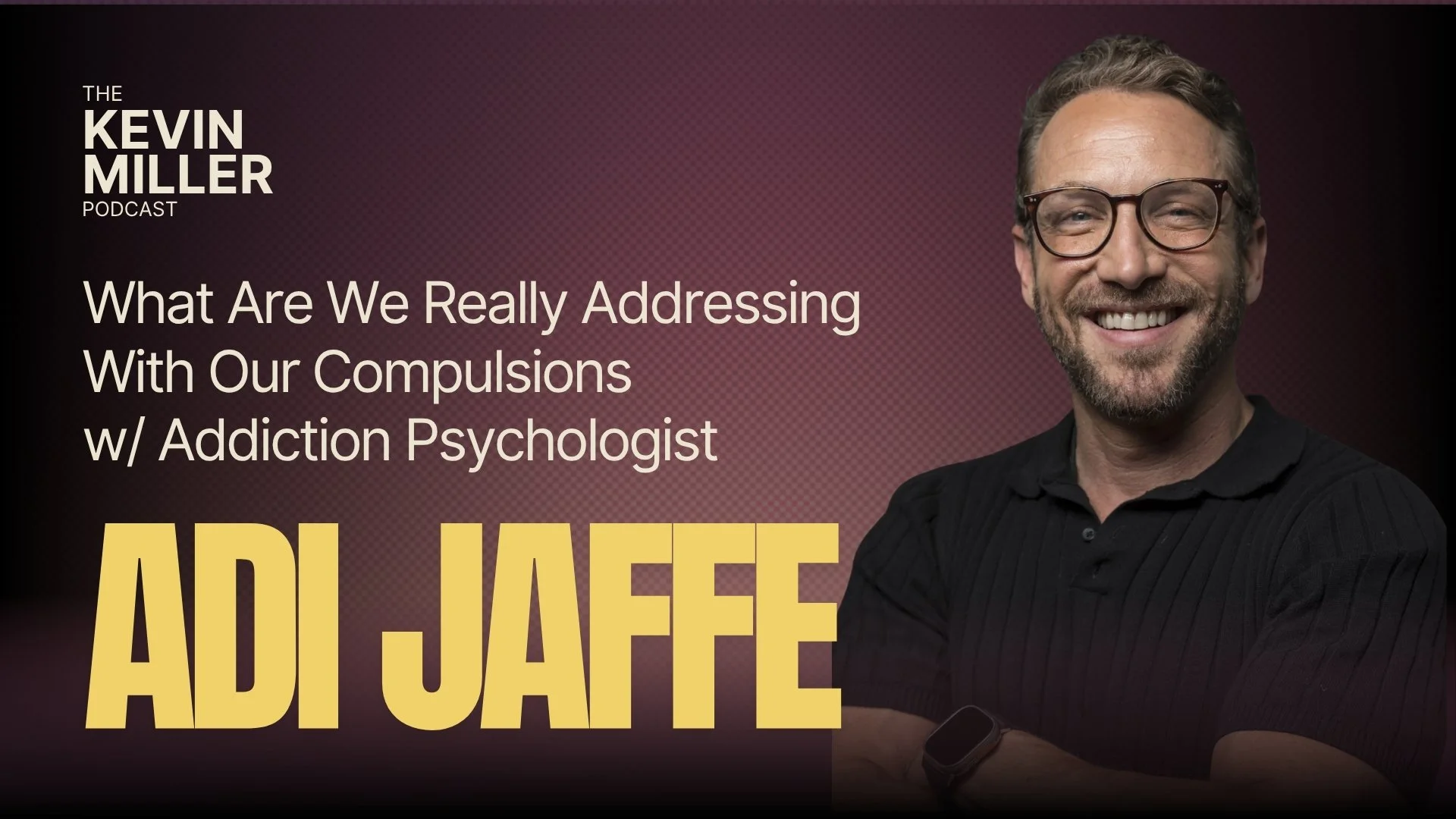
What Are We Really Addressing With Our Compulsions w/ Addiction Psychologist Adi Jaffe
My guest today is an addiction expert, but I interest myself more in the concept of compulsions. I may have something I habitually do that is not necessarily harming anyone else, and is arguably not harming me in a direct sense, which is generally how we define addictions. But a compulsion may be something that I keep doing that may keep me from other, healthier activities. It may own me more than I own it. And more importantly, what we find is that addiction and compulsions are generally not being done for pleasure, but to mask or numb emotions we haven’t or don’t want to deal with. Adi Jaffe is a psychologist and author. His research and clinical frameworks challenge the one-size-fits-all, abstinence-only model of addiction recovery and replaces it with an individualized, evidence-based approach to lasting behavior change. Adi’s authority is earned on both sides of the problem. Before his doctorate and the published research, Adi spent years inside his own methamphetamine addiction — an arc that ran through dealing, arrest, and jail before it ran through UCLA. That combination of lived experience and formal science is the foundation from which our discussion comes from. He has a new book, Unhooked: Free Yourself from Addiction Forever. I invite you to listen to this episode and consider your compulsions, if not addictions, and what you may be trying to artificially address, and why. You can also find Adi on Instagram @dradijaffe
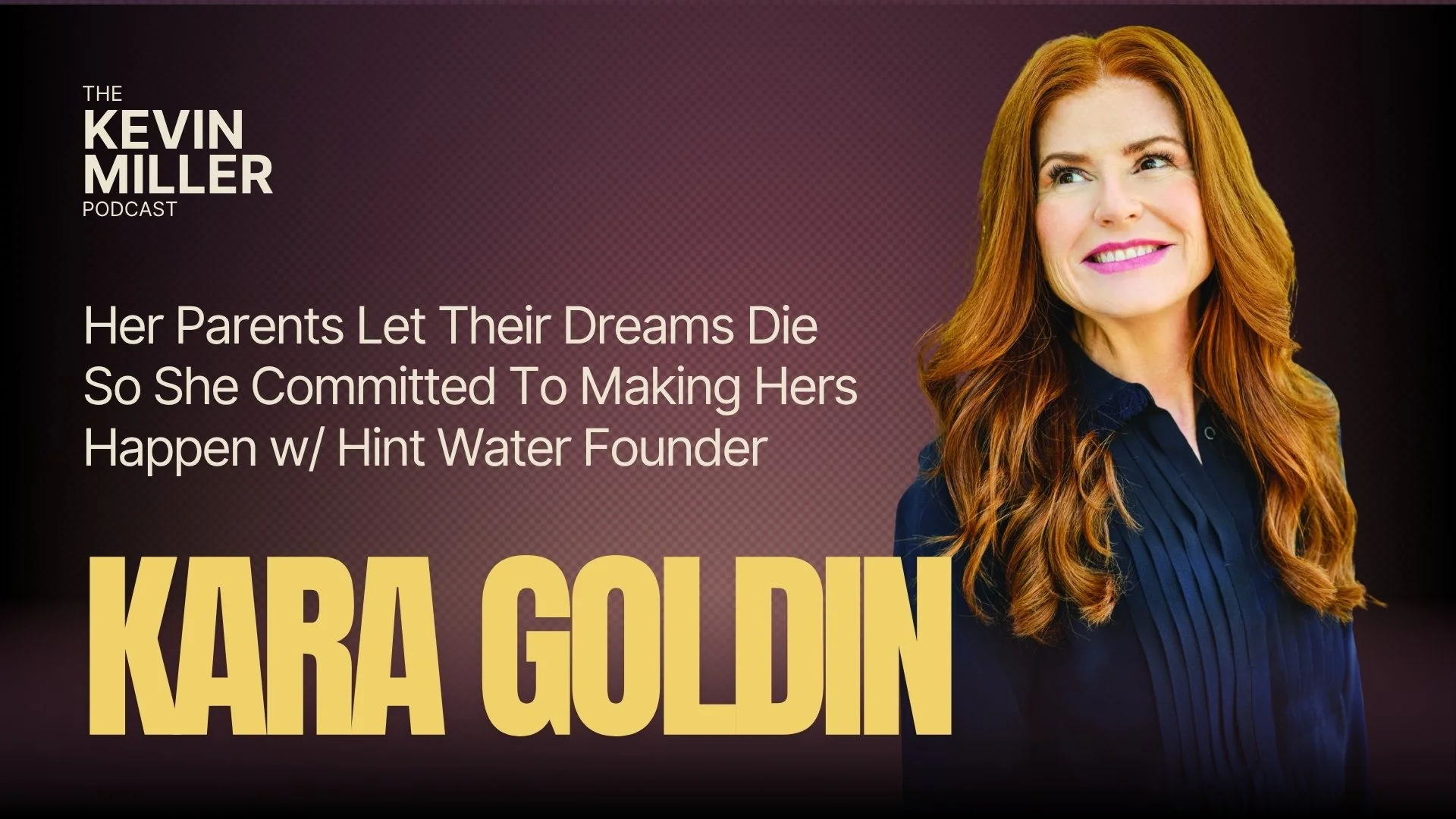
Her Parents Let Their Dreams Die So She Committed To Making Hers Happen w/ Hint Water Founder Kara Goldin
This is another story of drive from when my book, What Drives You, came out. Kara Goldin was the youngest of five children and at the age of eight realized her parents had dreams they never pursued. She decided then, she would pursue hers. She went on to have a classic entrepreneurial story. She wanted to be drinking more water, but wanted some flavor with it. She didn’t want it carbonated or sweetened though, and with nothing available that fit the bill, she started experimenting and making her own brand of flavored water right out of her kitchen. People really liked it, she found a store to carry it, and today…you can find Hint Water at stores like Walmart, Target, Costco, and Sam's Club. Of course the story isn’t that simple and Kara faced plenty of obstacles and criticism along the way. So she wrote a book about it, which is how I found her. The book is called, Undaunted: Overcoming Doubts and Doubters. You can also find her on her podcast, The Kara Goldin Show.
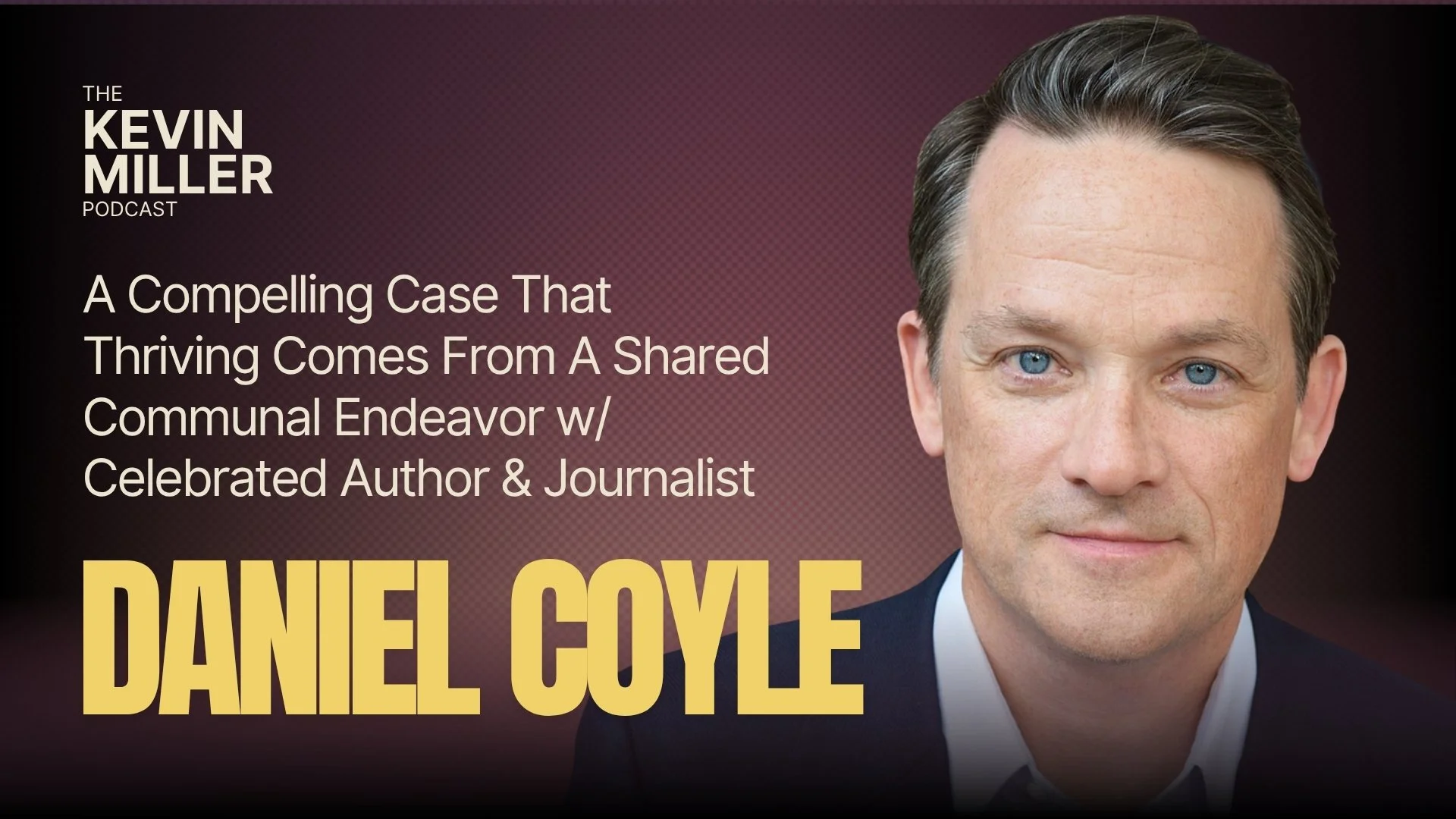
A Compelling Case That Thriving Comes From A Shared Communal Endeavor w/ Celebrated Author & Journalist Daniel Coyle
I read an article yesterday about the fourth season of the tv series, Ted Lasso, coming out. The series was celebrated for bringing the concept of positivity to the forefront. But in this new season they feel positivity isn’t what the culture needs. They depict the populace this way: "People are fine. Not hopeful, not despairing — just fine." So the new season is focused on hope. And I agree. We seem to be losing hope in anything more than just…existing. So when a celebrated author comes out with a book about his research on what “thriving” looks like, I was interested. Daniel Coyle is the New York Times bestselling author known for The Culture Code, The Talent Code, The Secret Race, The Little Book of Talent, and Hardball: A Season in the Projects, which was made into a movie starring Keanu Reeves. But after writing about talent and performance, Dan cites he began wondering about the deeper parts of life. The result is his new book, Flourish: The Art of Building Meaning, Joy, and Fulfillment. And he boils down to…community. Interdependence, which I don’t think many of us understand. I’m not going to try and explain it here, but invite you to listen to the following 55 minutes of discussing a different kind of community experience than I bet you’ve ever fully conceptualized. I feel I got schooled, in a great way, by the message in Dan’s book, and the following conversation. I have myself looking at relationships and community in a new way, and I’m inspiring myself. I think you will too.
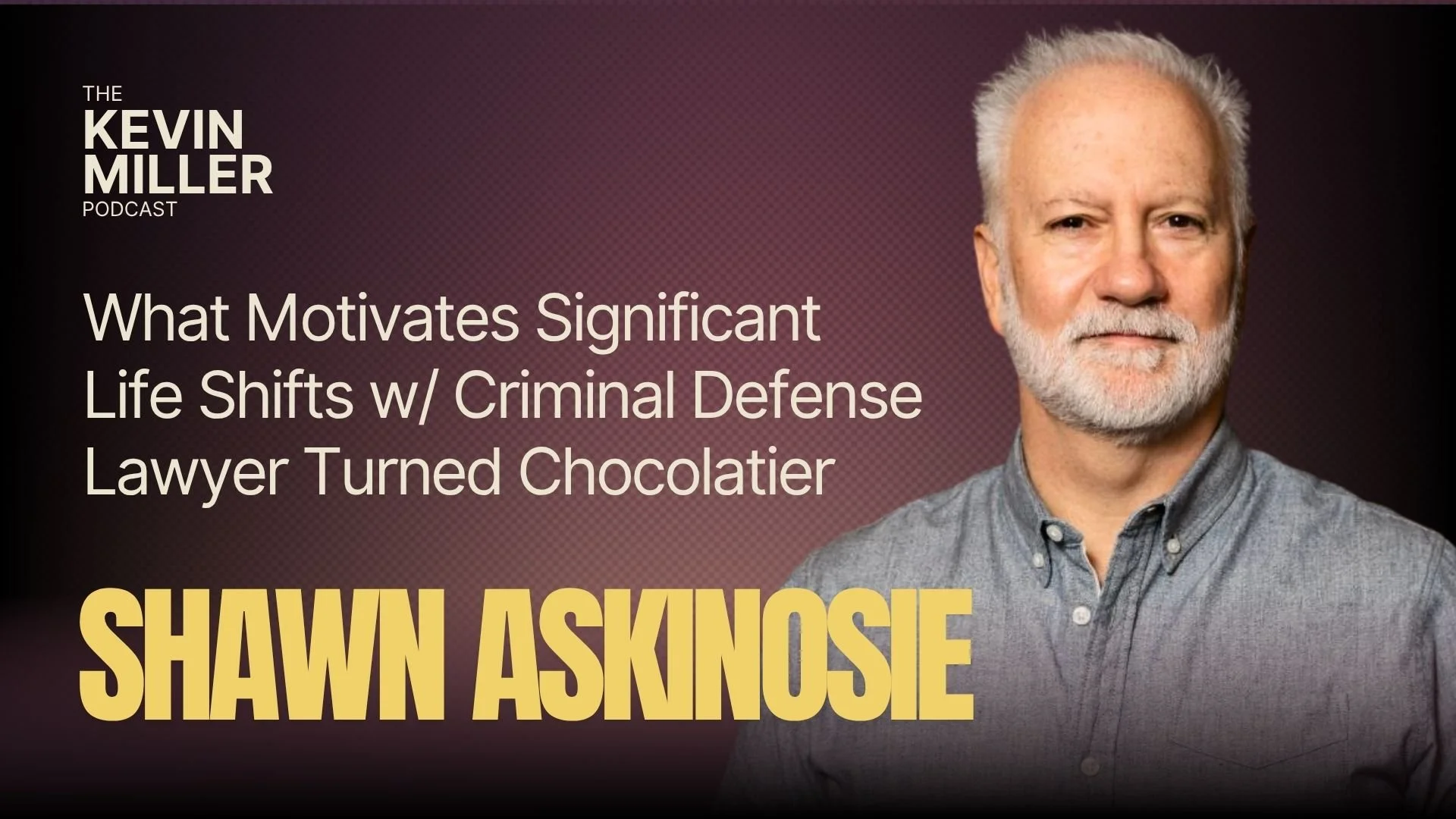
What Motivates Significant Life Shifts w/ Criminal Defense Lawyer Turned Chocolatier Shawn Askinosie
I have always interested myself in people who make significant life shifts. And not to minimize traumas and tragedies and difficult circumstances, but I intrigue myself with people who made big shifts that didn’t have to. But for various reasons they stepped back to audit their lives, and decided to be, and from that do, something different. This story comes from a conversation back when my book, What Drives You, came out. Shawn Askinosie is my guest. Shawn's dad died at 14 and he felt his world was destroyed. He committed to accomplishing big achievements and prove to God he didn't need him. He ultimately pursued law school and withstood 11 law school rejections, before going on to a 20 year career in law. But he never overcame his dad's sickness and death. This led him to volunteering for palliative care at a hospital and starting a five year journey to a completely different vocation. Shawn said, “It’s a funny paradox, but the first step in sorting myself out was actually not to think about myself, and instead to focus on other people.” He went from this to founding a chocolate company - Askinosie Chocolate. How did that happen? Well, that’s the episode. Shawn has a book called, Meaningful Work - A Quest To Do Great Business, Find Your Calling, and Feed Your Soul. And check out his chocolate, some of my favorite that my Dad used to send to me, at askinosie.com
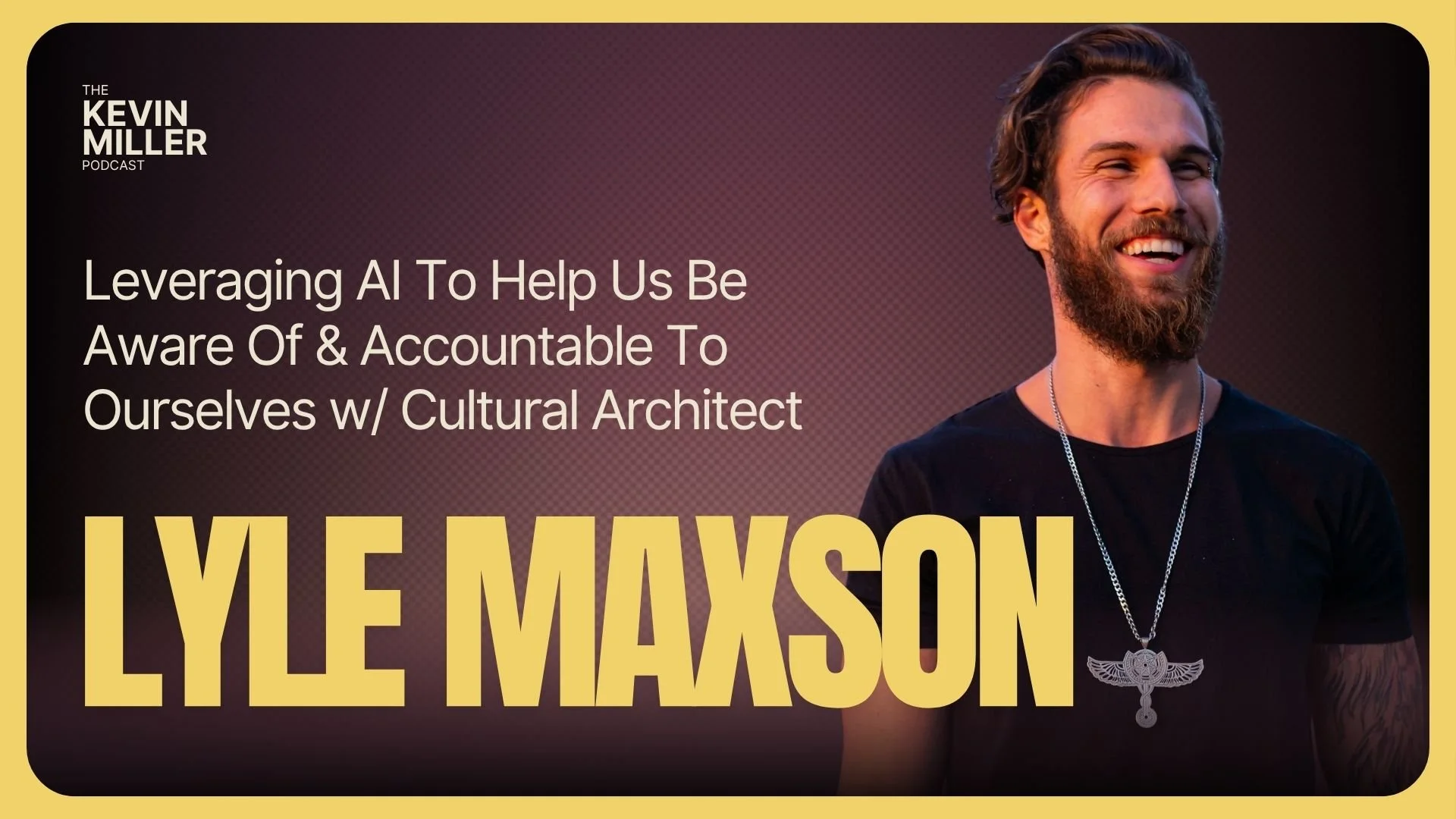
Leveraging AI To Help Us Be Aware Of & Accountable To Ourselves w/ Cultural Architect Lyle Maxson
I’ll continue to preface anything regarding AI, or any tech for that matter, that I’m not convinced it will prove to be a net positive for overall human well being. As a tool however, I see some opportunities. Such as, I was sent a device that hangs around my neck like a pendant, that will record my voice when I talk. It feeds into an app where I have set an “intention” that I desire for myself, such as, “I want to be more patient” or in my case, “I want to communicate with taking full ownership of my perspective.” The app then keeps me accountable, to myself. It deeply audits my speech and along with telling me how I did regarding my goal, also helps me understand when interrupted or talked over others. When I started talking fast or used filler words. We communicate all day long and are generally on auto pilot and don’t recall all we said or what others said to us, and further and I think more importantly, how we said what we said, which often belies more about us than what…we said. I’m not getting paid to promote this product, because that is not the point. The point is sharing an idea about being more aware of ourselves, and accountable to now what we do, but what we be. Not what we do, but how we are being. My guest is Lyle Maxson who is the founder and CEO of ABOVE, an AI wearable company focused on emotional intelligence and self-awareness. Lyle has spent the last decade working across AI, immersive technology, mental health, and consciousness systems—building what he calls "benevolent technology," designed to help people feel more connected and human, not less. Again, I don’t make a dime if you go to https://goabove.ai/ and sign up. In this discussion I go deep into how we are missing ourselves, and how we can better show up, for ourselves and others.
Kevin’s Substack Blog
Get vignettes of insight Kevin receives from podcast guests and his own studies

Featured Guests
We're honored to have some spectacular guest conversations.
Too many to list. But here are a few that stood out.
Arthur Brooks

Dr. Will Cole

Dan Harris
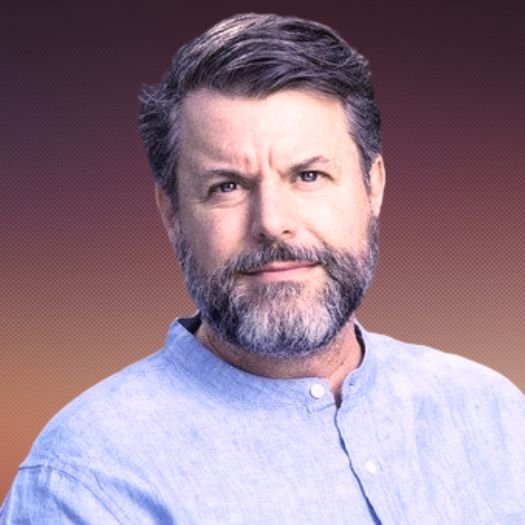
Charles Duhigg
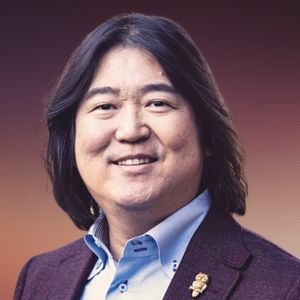
Ken Honda
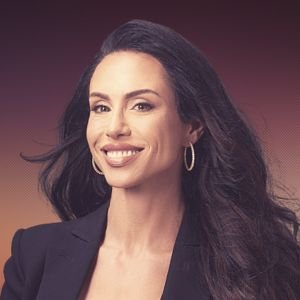
Dr. Gabrielle Lyon

Dandapani
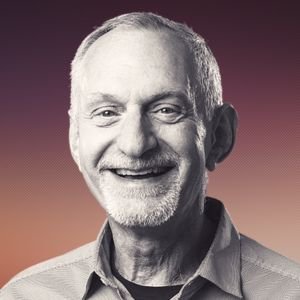
Dr. Robert Waldinger
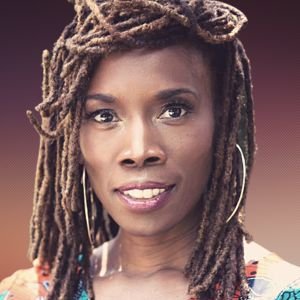
Dr. Thema Bryant
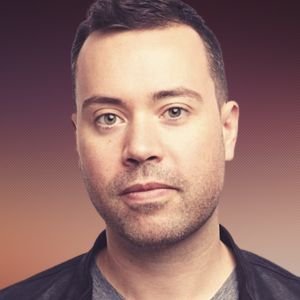
Jordan Harbinger
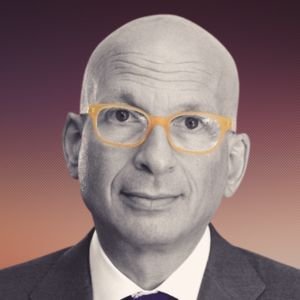
Seth Godin
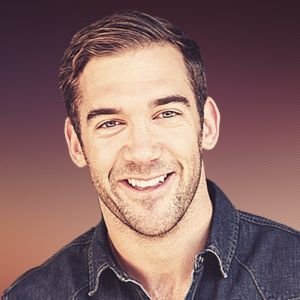
Lewis Howes
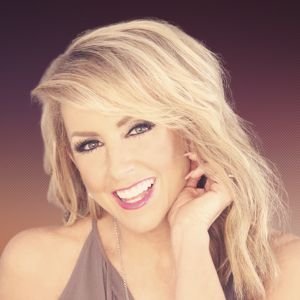
Chalene Johnson
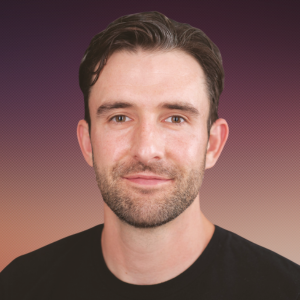
Michael Easter

Maya Shankar
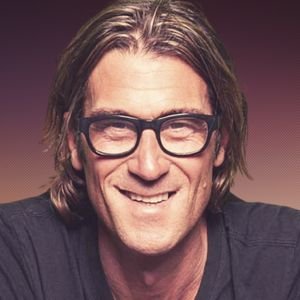
Rich Roll
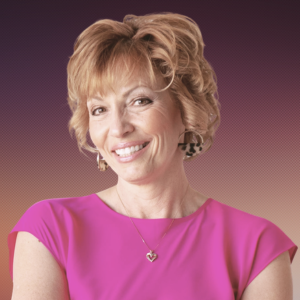
Marianne Renner

Michael Hyatt

Josh Peck
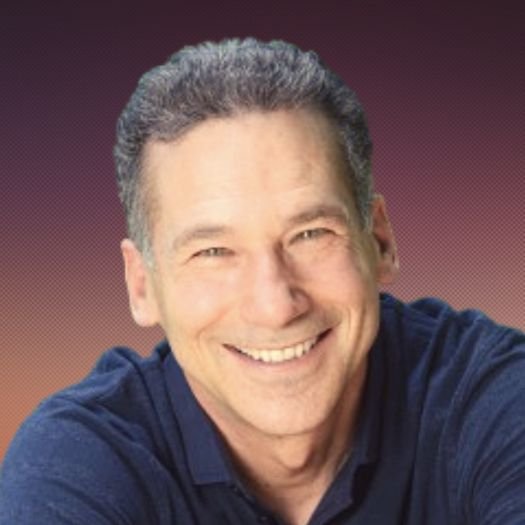
William Ury

Francesca Sipma
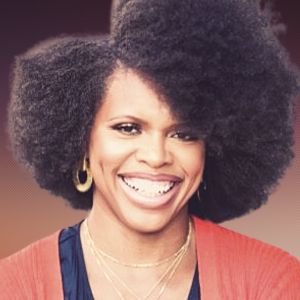
Nedra Glover Tawwab

Patrick Lencioni
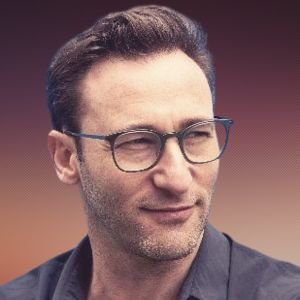
Simon Sinek
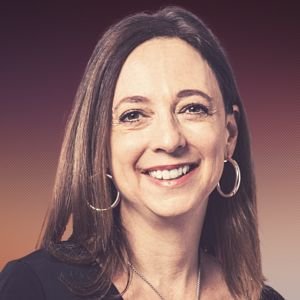
Susan Cain
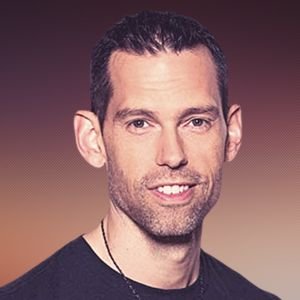
Tom Bilyeu
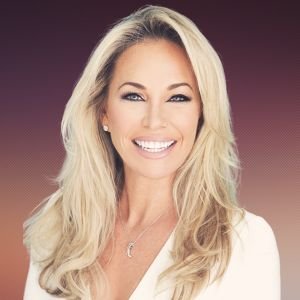
Heather Monahan

Dr. Neeta Bhushan
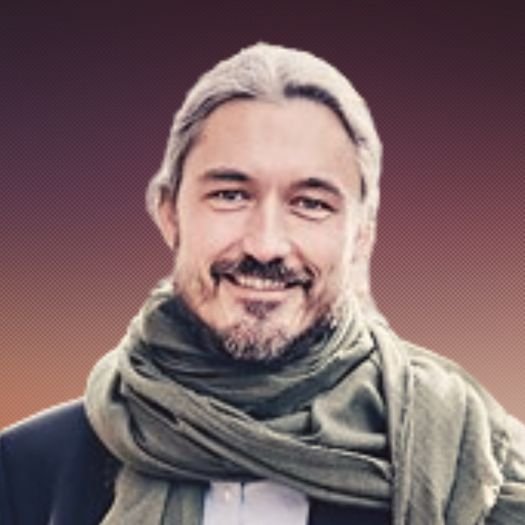
Thomas Hübl
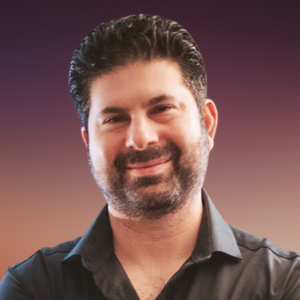
Scott Barry Kaufman