

75M DOWNLOADS
1,700+ Episodes
350+ GUESTS
The Kevin Miller Podcast
The big question - what is the meaning of life?
The great quest - to find meaning in life.
I devoted my life to filling all the roles, pursuing all the achievements, and engaging with all the relationships I thought would provide the greatest meaning to my life.
Only to come to the reckoning that the world doesn't give meaning to my life. I do.
Join me as I discuss how we make meaning from our lives and how we can satisfy ourselves in every moment, regardless of the circumstances.
Kevin Miller began hosting The Ziglar Show in 2014. Kevin quickly took the show from 100k downloads to over 600k per month. In their effort to continue to evolve the show and serve the audience, Kevin and the Ziglar team rebranded the show to “Self Helpful, with Kevin Miller” in 2019. Today, the show has evolved to The Kevin Miller podcast, with over 75M downloads and 350+ guests.

Listen on Your Favorite App




Watch Full Episodes


The Human Style For Your Most Effectiveness, Efficiency & Energy w/ Erin Claire Jones
Most everyone is aware of their personality style. You’ve likely taken one or five personality tests and quizzes where you answer a bunch of questions about yourself. What are your propensities and predispositions? I appreciate them all and have found some value from each in helping me understand and get some insight into myself. Yet I’ve also struggled with them being self-reporting. I find it hard to sometimes answer how I really am and how I want to be. And concern myself with possibly swaying answers with how I perceive myself that may not be very true, as we so often see ourselves with a skewed perception. About two years ago someone told me about human design. It’s a similar concept, but all you provide is your birthday, place of birth and time of birth. In my past I would have shunned this as some crazy, spiritual, hoodoo guru junk. However, I’ve taken the human design blueprint profile, paid for the big version and I’m now two years into finding great value for myself. So what do you do with something you find great resonance, value, and validity from, even though you don’t understand it? For me, I’m just using it. Of interest though is looking up the ones we habitually use in personal development and psychology that have become pillars of our culture, and where they originated. Look up, “Who invented….” and insert your favorite profile. The Enneagram was developed in 1915 by a philosopher. The Disc profile was developed in 1928 by a psychologist. Myers Briggs in 1940 by two women based on Carl Jung's teachings. The Type A or Be concept was in the 1950s by a cardiologist and then finally in 1987 we get the human design from what I’d say is a spiritualist who used to be an ad exec. None of them seem to be any scientifically based and proven method. So in this episode I’m back with Erin Claire Jones who is one of the world’s leading experts in Human Design. Through her coaching, content, and digital products, she has helped hundreds of thousands of people find value through human design. She has culminated her story and work in a new book, How Do You Choose?: A Human Design Guide to What's Best for You at Work, in Love, and in Life. My point in this podcast is to help guide you to your own personal growth and evolution, just as I pursue my own. As you’ll hear, I have and continue to find great value in this human design outline of how I function best. I’m blown away by it and I continue to hear the same testimony from friends of mine and people I respect who are checking it out. So…here you go. See what you think. And you can find Erin’s book and the blueprint at https://humandesignblueprint.com/

From Being Bullied To Being A Bully To Imprisonment To Legendary Men's Leader w/ Tommy Breedlove
I feel most of us are looking for a bit of new knowledge, something to help us improve our results. Kind of like weight loss and you just want to drop 5 or 10 pounds. So you make some little shifts and changes. Then you have someone like a friend of mine who went from morbidly obese to losing well over 100 pounds. Such a life change. This is a story of someone who made a massive change in who and how they are. And like someone who loses 100 lbs, becomes nearly unrecognizable from who they used to be. I bring you the incredible story of Tommy Breedlove in this episode. Tommy is a high end executive life coach who has influenced the lives of many of the leaders I’ve had on my podcasts. His story is one of an abused kid in poverty who was mercilessly bullied, and grew up to be a bully. At 18 he beat someone up so badly he was charged with felony accounts and imprisoned. Later he put his anger toward business and made a lot of money until he came to his end, again. Ultimately his story is someone who went from a heart of darkness, to a heart so many now turn to for light. It’s a dramatic shift and we discuss it in depth in this episode. If you want more of the story, get his book on Amazon, “Legendary: A simple playbook for building and living a legendary life, and being remembered as a legend,” and visit his website at https://tommybreedlove.com. I feel a story this profound can help us feel the changes we want are more possible and feasible.

Can You Really Change Your Personality? Do You Really Even Want To? w/ Olga Khazan
I grew up in the world of self-improvement when personality profiles became popular. The idea then was you had a core personality style and it was pretty solid, like your hair color. Culturally we like to label people’s personalities, “She’s a classic type A personality,” and “Oh, he’s super introverted.” In regards to changing one’s personality, I question if we want to change who we are, or just how we are? I think we all have tendencies we are dissatisfied with. We find ourselves anxious, depressed, worried, frustrated, angry, sad and more. I don’t think we’d look at any of those with desire. I’ve never woken up in the morning deciding to be more worried than normal. Usually the opposite. So, can we change ourselves? My guest is Olga Khazan and she devoted a full year to trying to change her personality. Olga is a staff writer for The Atlantic has also written for The New York Times, the Los Angeles Times, The Washington Post, and more. She is a two-time recipient of the International Reporting Project’s Journalism Fellowship. Olga said she didn’t like much how how she was being, and with every reason to be happy and at peace, she described herself as fairly neurotic. I appreciate this line from our talk, she said, “What if rather than trying to make everything in the world go my way, I changed the way I responded to the world?” So she had specific aspects of her core personality, she literally wanted to change. And she embarked on the experiment as the reporter she is. She documented it all in a book, titled, Me, But Better: The Science and Promise of Personality Change. I appreciate that Olga didn’t come out with some big, bold claim, but simply stating what she didn’t like, what she wanted to change, and she documented the journey. And today, she says that yes, she’s still her, but…less neurotic. She’s still Olga, but, enjoying life more. You can find Olga at the Atlantic or on Substack. I felt this conversation helped me better understand and embrace myself, and, consider how I could be me, but better.

The Science Around - Can I Succeed? Do I Belong? Am I Loved? w/ Stanford Psych Professor Dr. Gregory Walton
Listen to those three questions again - Can I Succeed? Do I Belong? Am I Loved? I’m tempted to feel those questions address the root issue of every human on earth. As I continue to research personal identity and how we as a culture seem to be more fragile and threatened than ever, I feel these questions are primary. So I had a conversation with Dr Gregory Walton. Greg is the co-director of the Dweck-Walton Labs. Dweck as in Carol Dweck, the legend of mindset. Greg is also a professor of psychology at Stanford. Much of Greg’s research investigates psychological processes that contribute to major social problems. His research is supported by many foundations, including the Bill and Melinda Gates Foundation. As weighty as all this sounds, Greg’s quest is to discover simple psychological shifts that build trust, belonging, and confidence. He’s culminated his findings in a new book, titled Ordinary Magic: The Science of How We Can Achieve Big Change with Small Acts. So can addressing these huge questions be so simple? What I came to as we talked, was, yes, the answers can be simple, because they cut to the root cause issues of ourselves. But. I don’t call them easy. Not at all. At the top of the show I pull this quote out from Greg, “An hour-long surgery can change your life forever. Is there any reason a precise psychological exercise can’t do the same?” But going under the knife is a big decision. So is choosing to believe differently than you have.

How To Have A Podcast People Listen To & If You Should Even Have One | w/ Jordan Harbinger
We are at a time when anyone with a message is pushing to have a book and a podcast. I have been in the podcast game a long time and things have changed a lot. But the question of what makes a good podcast and if you should even have one, hasn’t changed. So I’m bringing back a discussion I had a few years ago with Jordan Harbinger. Jordan has an incredibly large and successful podcast with The Jordan Harbinger Show. He started his show from scratch and built it up by doing the hard work and playing the long game. He’s fairly skeptical about podcasting and right at the beginning of this talk you’ll hear Jordan flat out state he feels very few people should start or have a podcast. Do not be disheartened, as he qualifies this throughout the show and I strongly encourage you to listen and I think you’ll find incredible insight into podcasting and whether you will be well served to have a podcast. Or not. This episode will give you some wisdom on having a valuable podcast, and likely save you a lot of time and hassle if you realize it’s not a good fit. If you appreciate Jordan, find him at The Jordan Harbinger Show wherever you get your podcasts.

The Rise Of Fear Culture & How To Better Understand & Embrace Courage w/ Margie Warrell
The topic today is courage and my guest defines courage as, consciously choosing to act in the presence of fear and potential risk, real or perceived, and she cites it as a learnable skill. Dr. Margie Warrell is a five-time best-selling author and Forbes columnist. She’s the author of the upcoming book The Courage Gap: 5 Steps to Braver Action which is what got my attention. This is not looking at monumental feats of bravery against life-threatening circumstances. This is the everyday fears we seem to be failing from culturally. I’ve been thinking of our current fear culture like a toxin in the air at your home and office that you don’t detect, that is slowly poisoning you. And you grow steadily more sick and don’t understand why. As you’ll hear me discuss with Margie, throughout history human kind was only exposed to a couple fearful issues per day. If that. Today we are flooded with infinite fears from around the globe and even the galaxy. We can’t eradicate fear, and shouldn’t, but we sure can decrease it. And then, we can be conscious and choose when to be courageous, which again, is not something we do once we’ve overcome our fear. It’s something we do while we are still afraid. I really enjoyed and benefitted from this talk with Margie, we really resonated, and it helped open up my understanding of both fear and courage, and gave me tangible concepts of where I’m not being courageous, and how I can be far more. You can find her book, The Courage Gap, anywhere, and find her at the Live Brave podcast and Margiewarrell.com

Taking On The Concept Of Self-Reliance w/ Maha Abouelenein
I submit that few of us know and most of us are falling to one side or another of unhealth. On one side we exercise very little self-reliance, which means if we are not relying on self, we are relying on others. On the other side is an overabundance of self-reliance where we rely almost exclusively on ourselves and hardly at all on others. So is there a happy medium? Or are there some aspects of our lives where we should be super self-reliant and other areas where we should seek out help? This is why I brought on Maha Abouelenein, as her new book is titled, 7 Rules of Self-Reliance: How to Stay Low, Keep Moving, Invest in Yourself, and Own Your Future. Maha is a personal branding expert, CEO and founder of global communications consulting firm Digital and Savvy, and a best-selling author. She has a long, impressive pedigree of success in the corporate world in the Middle East and in America, but none of it is why I brought her on the show. Maha had a challenging upbringing that gave her every reason to be a victim and not practice self-reliance. And she’s experienced the consequences of unhealthy self-reliance on both sides. My focus was taking on the topic of self-reliance to understand how we are doing it poorly, and how to do it with greater success. Find her at mahaabouelenein.com/

It Takes More Than Good Character To Earn People’s Trust w/ David Horsager
In this episode we’re talking about trust. In today’s culture more than ever, trust is the number one asset of success. But we are often failing to gain people’s trust, and we don’t understand why. We inherently think of trust as something you have and are, or don’t have and are not. Most everyone hearing this will believe themselves to be trustworthy because they are honest, moral people who live with integrity. But you are about to hear eight aspects of trust you must intentionally and proactively engage in if you want to really be viewed as trustworthy and benefit from it in your life and business. If you have a business, it takes more than you think to create loyal clients and get their referrals. It takes more than you just having good character and being honest. David Horsager is with me and this is his devotion and area of mastery. He’s CEO of the Trust Edge Leadership Institute, and national bestselling author of The Trust Edge.

How To Help Humanity With Your Grocery Shopping w/ Fair Trade Founder Paul Rice
I find people who are seeking to evolve personally, greatly desire to contribute to humanity. The people in need are endless and there are global plights that we feel impotent to address. What I’ve come to learn is how much good we can do with our simple grocery store purchases. This isn’t an ad, just my normal curiosity in evolving myself and maturing my impact in this world. Paul Rice founded Fair Trade and just came out with a book about it. I’ve known vaguely about Fair Trade but didn’t realize what it really meant. In this conversation you’ll hear Paul’s story about living in Nicaragua for a decade to help small coffee farmers. Then coming back to America to create Fair Trade and how it helps people and really doesn’t cost us any more. You can literally walk into your grocery store and look for a product like cherry tomatoes, and for no greater price, buy the ones with the Fair Trade stamp, and know you are helping a truckload of people live a sustainable life and treat the earth well. You’ll learn all you need about converting some of your purchases to Fair Trade, right in this episode. I also really enjoyed getting to know Paul. I may be joining him in Costa Rica later in the year to visit some coffee farmers and work to spread the message. His new book is, Every Purchase Matters: How Fair Trade Farmers, Companies, And Consumers Are Changing The World. I found the book intriguing, but you can engage right now by looking for Fair Trade products in your next grocery trip.
Kevin’s Substack Blog
Get vignettes of insight Kevin receives from podcast guests and his own studies

Featured Guests
We're honored to have some spectacular guest conversations.
Too many to list. But here are a few that stood out.
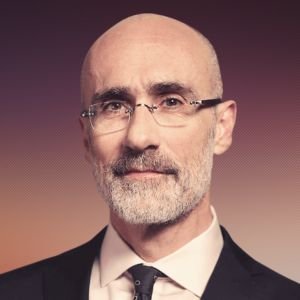
Arthur Brooks

Dr. Will Cole
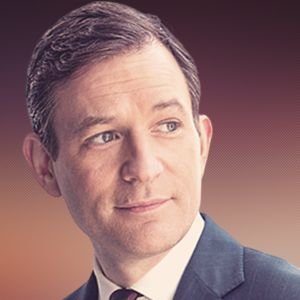
Dan Harris
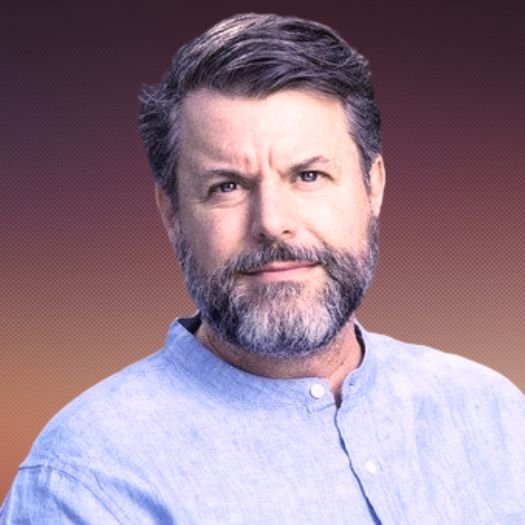
Charles Duhigg
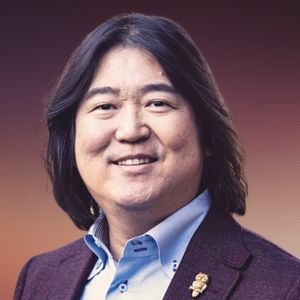
Ken Honda
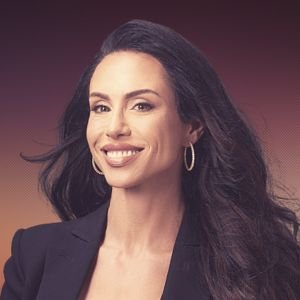
Dr. Gabrielle Lyon

Dandapani
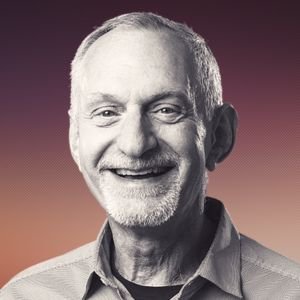
Dr. Robert Waldinger
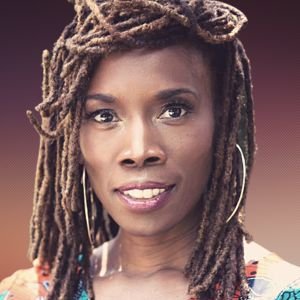
Dr. Thema Bryant
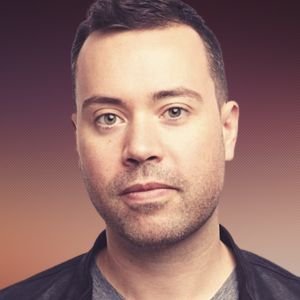
Jordan Harbinger
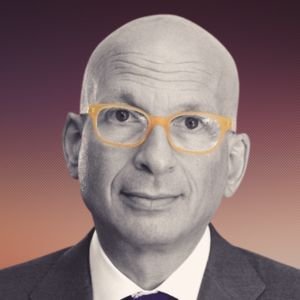
Seth Godin
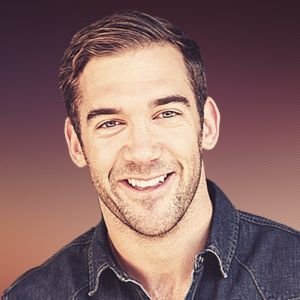
Lewis Howes
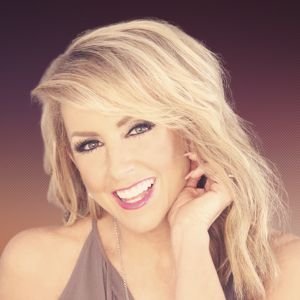
Chalene Johnson
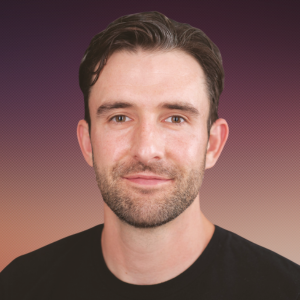
Michael Easter
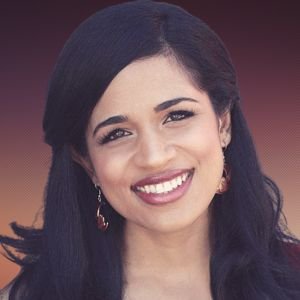
Maya Shankar
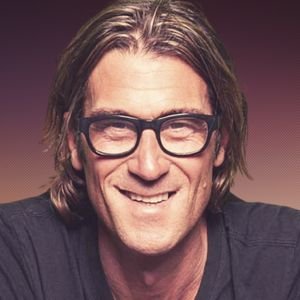
Rich Roll
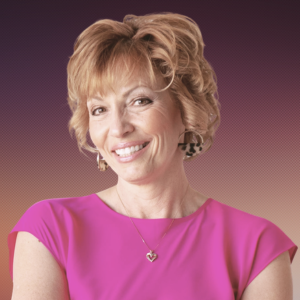
Marianne Renner
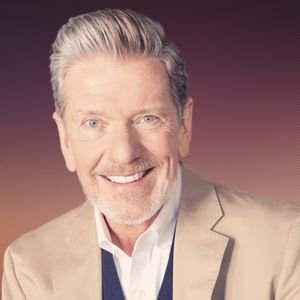
Michael Hyatt

Josh Peck
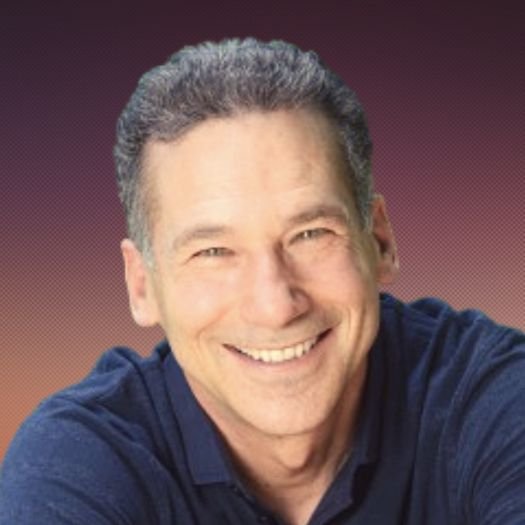
William Ury

Francesca Sipma
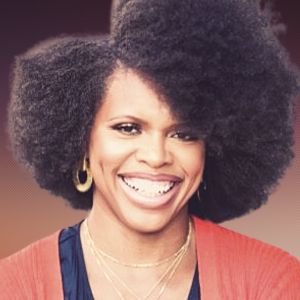
Nedra Glover Tawwab

Patrick Lencioni
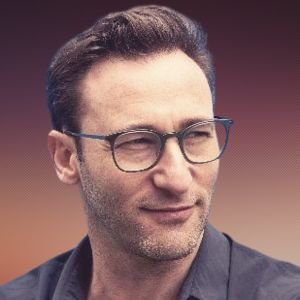
Simon Sinek
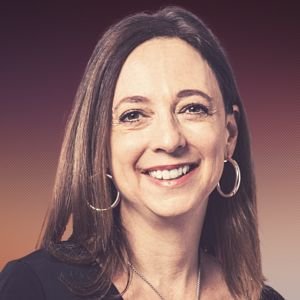
Susan Cain
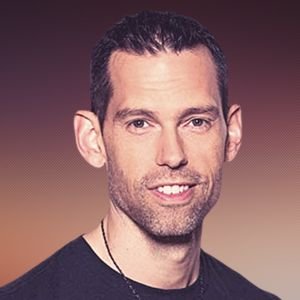
Tom Bilyeu
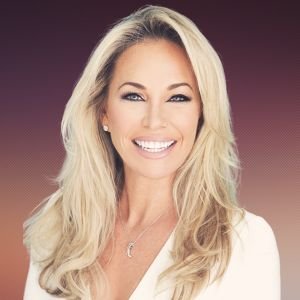
Heather Monahan
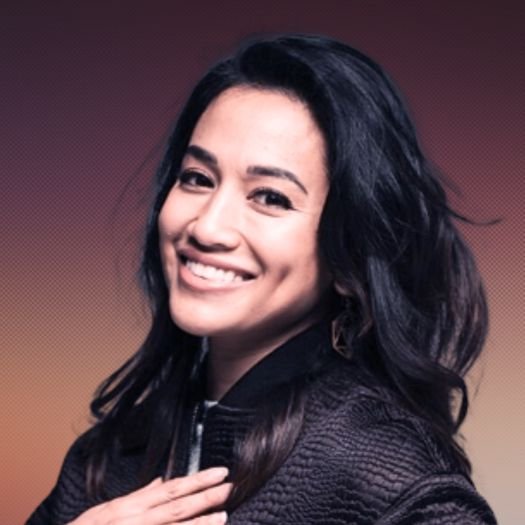
Dr. Neeta Bhushan
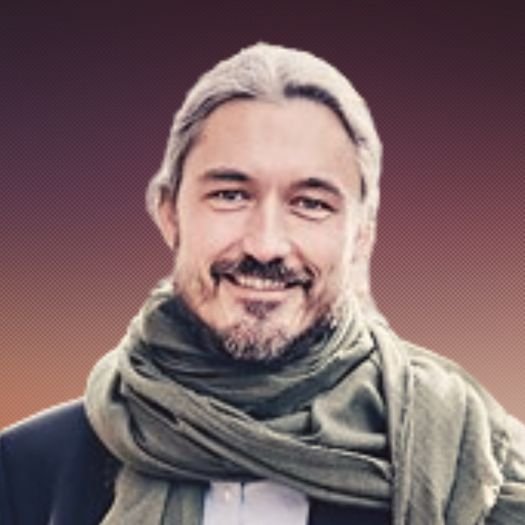
Thomas Hübl
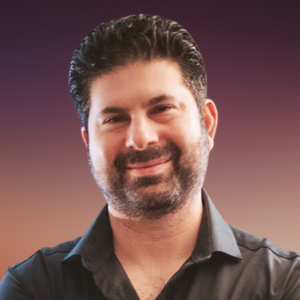
Scott Barry Kaufman